
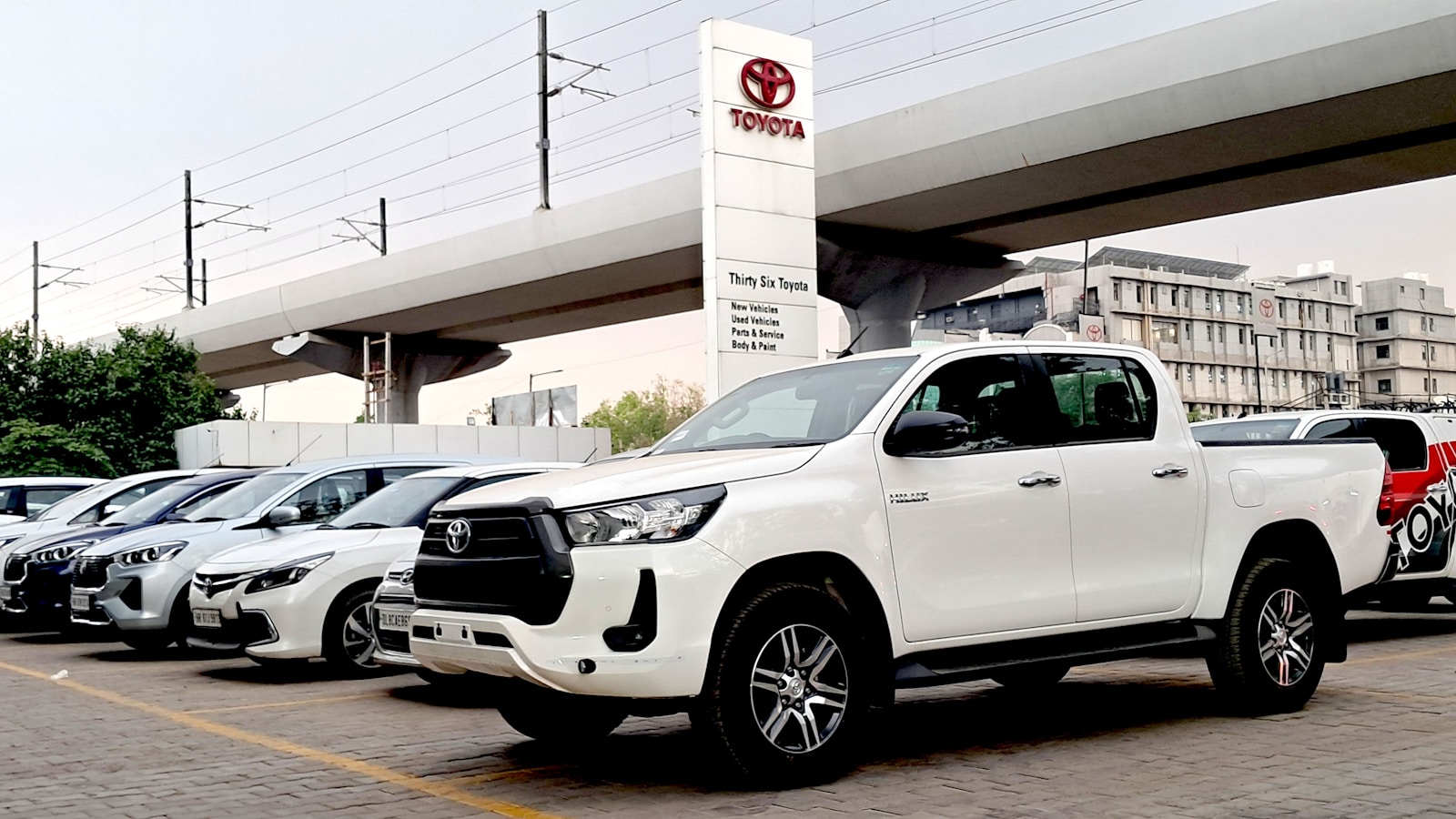

Toyota has done it again, locking in a sixth straight year as the world’s top automaker and turning 2025 into a record breaker for global sales. The Japanese giant did not just hang on to its lead, it widened the gap with rivals while navigating tariffs, shifting technology and a brutally competitive market. For an industry that was supposed to be stumbling through a messy transition, Toyota is quietly treating disruption as a growth strategy.
Behind the headline is a simple story told in big numbers: more vehicles sold, higher output and a deeper push into hybrids that customers actually want to buy. While competitors wrestled with uneven demand and patchy electric lineups, Toyota leaned into its strengths, from the Toyota and Lexus brands in the United States to a sprawling global footprint that now looks more like a moat than a vulnerability.
How Toyota tightened its grip on the global crown
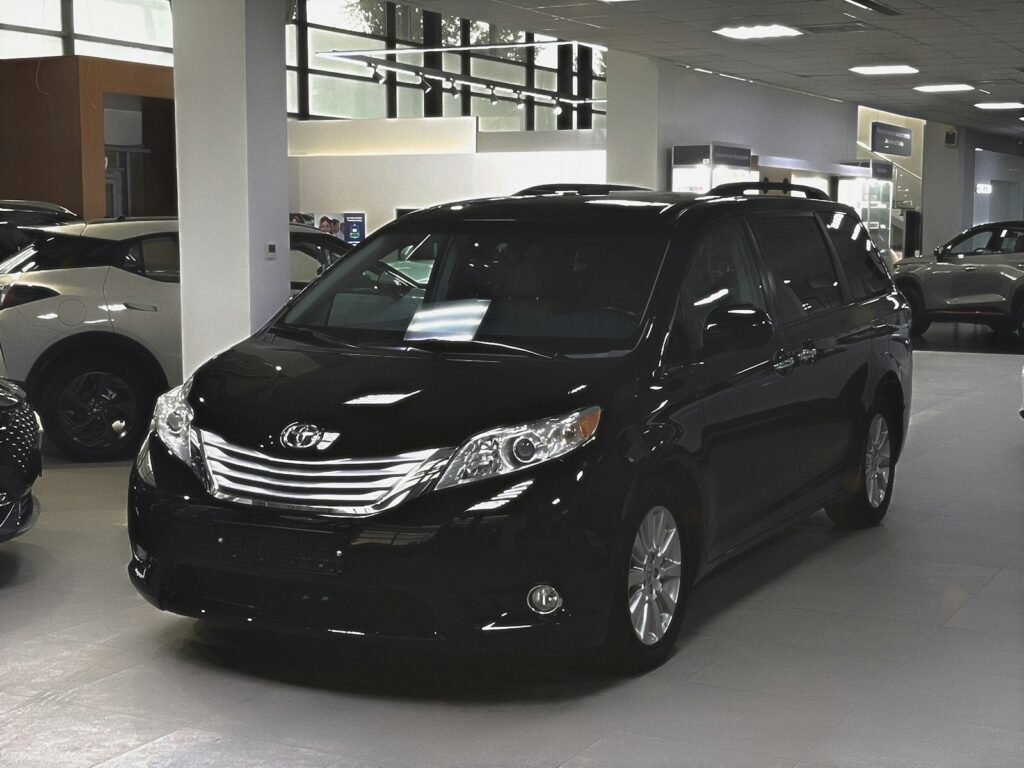
The core of Toyota’s latest milestone is scale, and the company is not shy about it. Group sales were lifted by 4.6% to 11.3 m vehicles, a figure that includes affiliate Daihatsu and underscores just how far ahead the group now sits. That volume easily cleared the 8.98 m vehicles reported by Volkswagen, turning what used to be a neck‑and‑neck race into something closer to a comfortable lead.
That dominance is not a one‑off. News reports that Toyota Motor Corp has now been named the world’s top‑selling automaker for the sixth year in a row, a streak that has turned the company’s leadership into a fixture rather than a surprise. Social feeds have echoed the same point, with one post noting that Toyota remained the world’s top selling automaker in 2025, marking six consecutive years at the summit. Another update framed it more bluntly, saying Toyota tightened its grip on the global auto crown in 2025, a description that fits the numbers.
Tariffs, hybrids and the U.S. engine behind record sales
What makes this run more striking is that it happened in the teeth of new trade barriers. President Donald Trump imposed a 15% tariff on imported vehicles, a move that could have kneecapped a company so reliant on cross‑border supply chains. Instead, Trump imposed a and Toyota and Lexus still saw U.S. sales climb. In fact, Toyota and Lexus brand vehicles in the United States logged an 8% bump in sales and nearly a 10% rise in production, helped by a rebound in inventory and a product mix that leans heavily on hybrids rather than all‑electric bets.
That strategy shows up clearly in the way the company handled Trump’s trade policy. One account of the year notes that Toyota Motor hit record hybrid sales in 2025 as the auto giant adjusted to Trump’s tariffs through local production and tighter cost controls. Another report describes how Toyota Chairman Akio led Toyota through the tariff storm by ramping up hybrid production and leaning on hot U.S. demand. A snapshot from a dealership in Austin, Texas captured the mood on the ground, where Toyota hybrids were moving briskly despite higher sticker prices.
Record numbers, investor attention and what comes next
For investors, the sixth consecutive crown is not just a bragging right, it is a data point. One breakdown of the year notes that Toyota Motor Corp posted record high sales in 2025 and maintained its top‑seller lead even as some rivals flagged weaker annual deliveries. Another analysis highlights how Toyota set a new global sales record, with Sales of Toyota Lexus rising on the back of effective management of tariff challenges. A separate note from Vlad Schepkov points out that Toyota Motor maintained its global lead while guiding investors through expectations for the fiscal year ending March 2026, a reminder that the story is as much about earnings as it is about bragging rights.
On the ground, the scale of the achievement keeps getting restated. One update notes that Toyota, described as a Japanese automaker, saw overseas sales surge, including a jump in North America to 2.93 million units, while another piece underlines that Toyota Motor Corp has been formally recognized as the world’s top‑selling automaker for the sixth year running. A detailed breakdown by Nicholas Takahashi notes that Toyota Motor Corp kept its title as the world’s biggest carmaker and that its worldwide total increased 12%, while another reference to the same report highlights the metric 46 as part of the detailed breakdown. Other coverage framed the achievement more simply, noting that By Reuters Toyota retained its top auto crown in 2025 with record sales, even while dealing with intense competition in China. A separate market‑focused note from Investing reiterated that Toyota posted record high sales and maintained its top‑seller lead, while a market brief from Investing flagged ticker TOYOF and the figure 57 in its rundown of the company’s performance. Even lifestyle‑oriented posts, such as one from Jan that highlighted how Jan and Jan coverage framed the same story, have ended up reinforcing a simple takeaway: Toyota is not just on top of the auto world, it is learning how to stay there.
More from Wilder Media Group: