


Toyota has quietly secured a significant clean energy agreement in Texas, and the details reveal just how serious the automaker is about its sustainability commitments. The company locked in power from a massive 159-megawatt solar project in Runnels County through a long-term virtual power purchase agreement, allowing it to match its electricity use with clean solar output.
The Norton Solar Project completed construction in October 2025 and is now fully operational. Toyota Tsusho America, the company’s trading and project development arm, partnered with clean energy developer Avantus to bring the facility online. The project created nearly 250 jobs during peak construction and represents another piece of Toyota’s broader carbon neutrality strategy.
While this particular deal flew under the radar, it’s part of a larger trend of corporate buyers turning to virtual power purchase agreements to secure renewable energy without directly owning the infrastructure. The scale and structure of Toyota’s Texas solar commitment offers insight into how major manufacturers are reshaping their energy strategies in 2026.
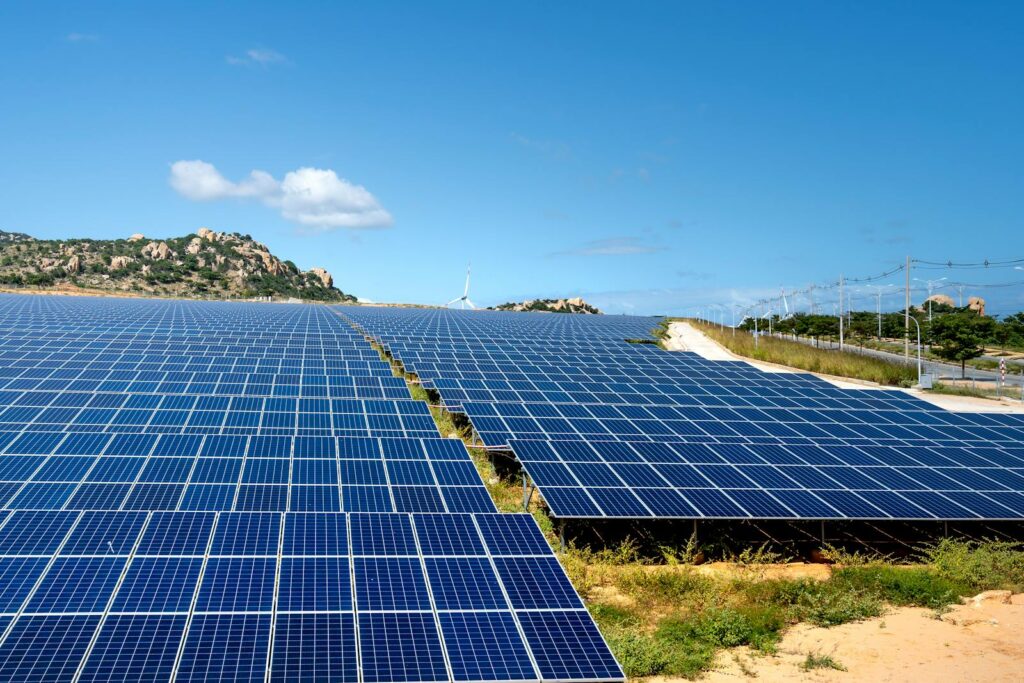
Inside Toyota’s Power Deal With the Sequoia Solar Project
Toyota has partnered with Enbridge on a long-term power purchase agreement tied to the 815-megawatt Sequoia Solar Project in Texas, sharing the facility’s output with AT&T. The deal positions Toyota to tap into one of North America’s largest solar installations as part of its push toward carbon neutrality at its North American facilities by 2035.
Why Toyota Chose Sequoia Solar
Toyota’s involvement with the Sequoia Solar Project aligns directly with its Environmental Challenge 2050 goals. The automaker has been actively pursuing solar and wind projects along with virtual power purchase agreements to meet its commitment to achieve carbon neutrality across all North American facilities by 2035.
The Texas location offers strategic advantages. The project feeds directly into the Electric Reliability Council of Texas (ERCOT) market, providing reliable access to renewable energy in a region with abundant solar resources. For Toyota, Sequoia adds to an existing portfolio of clean energy agreements, building on previous renewable energy commitments.
The scale of the project made it particularly attractive. At 815 megawatts, Sequoia delivers substantial generating capacity that can meaningfully contribute to Toyota’s energy needs across its operations.
Power Purchase Agreement Details
Toyota secured its portion of Sequoia’s output through a long-term power purchase agreement with Enbridge. The PPA structure allows Toyota to claim renewable energy credits while offsetting its carbon footprint across its North American operations.
AT&T shares the facility’s power output through a separate agreement. Both companies signed long-term PPAs that lock in most of Sequoia’s production for years ahead, providing Enbridge with stable revenue streams to support the project’s financing.
The specific terms, including pricing and duration, haven’t been publicly disclosed. However, the agreements were substantial enough to warrant mention in Enbridge’s third-quarter report, signaling their significance to the energy company’s renewable portfolio.
Scale and Features of the Sequoia Solar Project
The Sequoia Solar Project represents a $1.1 billion investment in renewable energy infrastructure. Located in Callahan County, southeast of Abilene and about 150 miles west of Dallas, the facility will transform roughly 5,300 acres of mostly non-arable land into a major power generation site.
Key Project Specifications:
- Capacity: 815 megawatts
- Solar Panels: Approximately 1.8 million units
- Land Use: 5,300 acres
- Total Investment: $1.1 billion
The project stands among the largest solar installations in North America. Its size reflects growing electricity demand and the increasing willingness of major corporations to procure renewable energy as part of their overall energy strategies.
Timeline and Construction Milestones
Enbridge officially broke ground on the Sequoia Solar Project in December 2024 during a ceremony in Callahan County. The event marked the transition from planning and equipment procurement to active construction.
The project is scheduled for completion in two phases, with full operations expected between late 2025 and early 2026. This timeline puts Toyota on track to start receiving power from the facility within its broader decarbonization schedule.
Construction involves deploying 1.8 million solar panels across the Texas site. Enbridge has already secured permits and purchase orders necessary to move forward with the build-out, positioning the project to meet its targeted operational dates.
Broader Impact: Sustainability, Innovation, and Going Solar
Toyota’s Texas solar deal represents more than just one company’s energy procurement. The move reflects a corporate shift toward renewable electricity while demonstrating how large-scale clean energy projects can reshape industrial operations and inspire broader adoption.
Toyota’s Sustainability Push and Diverse Powertrain Strategy
Toyota has been working on sustainability initiatives for over a decade, integrating renewable energy into its manufacturing operations. The company aims to achieve net-zero emissions by 2035 and plans to match 45% of its purchased power with renewable electricity by 2026.
The automaker’s approach extends beyond solar power. Toyota maintains a diverse powertrain strategy that includes hybrid, plug-in hybrid, battery electric, and hydrogen fuel cell vehicles. This multi-pronged approach allows the company to reduce its environmental impact while offering customers various options.
Toyota has already implemented solar projects at facilities like its Georgetown, Kentucky plant, where a 30-acre solar field now powers operations. The company has also established a 30-megawatt solar system in North Huntsville near its engine plant.
Renewable Electricity and Clean Energy Goals
The Sequoia solar project in Texas will generate 815 megawatts of power when completed. Enbridge, the Canadian energy company developing the project, has secured long-term agreements with both AT&T and Toyota.
Construction will happen in two phases, with power generation starting in 2025 and 2026. The project sits approximately 150 miles west of Dallas and represents a $1.1 billion investment in solar infrastructure.
Toyota’s participation in this project aligns with its broader goal of achieving carbon neutrality at manufacturing facilities. The scale of the Sequoia project makes it one of the largest solar farms in North America.
Opportunities for Homes and Businesses to Go Solar
Corporate investments in clean energy have sparked interest in solar adoption at smaller scales. Homeowners can now install solar panels paired with battery storage systems to increase energy independence.
Energy storage technology has advanced significantly, making it practical for residential and commercial properties to maintain power during outages. Battery storage systems allow properties to store excess solar energy generated during the day for use at night or during emergencies.
Services that connect property owners with pre-vetted solar installers have made the transition more accessible. These platforms help users compare solar quotes and evaluate options without the traditional hassle of researching individual companies.
More from Steel Horse Rides:
- 13 Most Powerful Muscle Cars of All Time
- 13 Underrated JDM Cars That Deserve More Love
- 15 JDM Cars That Were Illegal in the U.S.
- 13 SUVs From the ’90s That Are Surprisingly Cool Today