
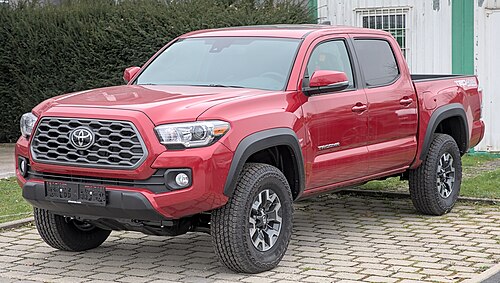

Toyota is recalling approximately 162,000 pickup trucks in the United States after identifying a safety defect that can disable the rearview camera and other key functions on the center screen, raising the risk of a crash. The affected vehicles include certain Tundra and Tundra Hybrid models, where the multimedia display can freeze or go blank instead of showing what is behind the truck while reversing. The company is preparing a fix that will be provided at no cost to owners as regulators scrutinize how software-driven features are reshaping basic driving safety.
The move adds urgency to questions around reliability in modern vehicles that lean heavily on touchscreens for visibility and controls. It also comes as Toyota manages separate recalls involving rear doors and other components on models such as the Prius, turning a spotlight on how quickly automakers respond when digital glitches intersect with core safety systems.
What the 162,000-vehicle recall covers and why it matters
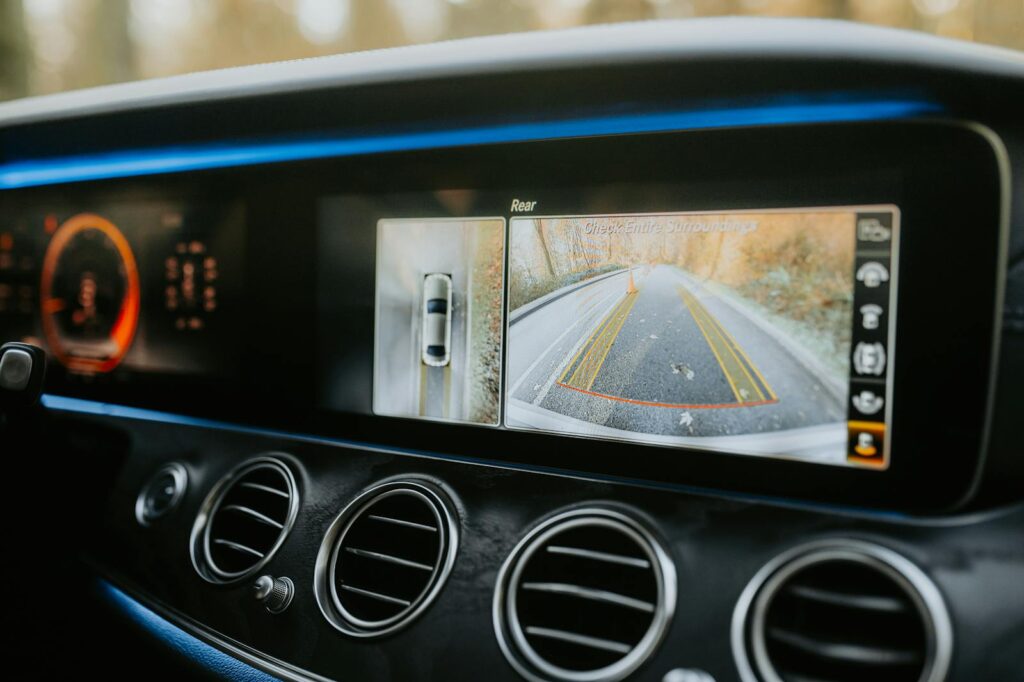
Toyota has told regulators it will recall around 162,000 trucks in the U.S. after discovering that a faulty display unit can prevent the backup camera view from appearing, or cause it to freeze on an old image, while the driver is reversing. Reporting on the campaign describes the action as focused on Tundra and Tundra Hybrid pickups, with the defect tied to the multimedia system that controls the camera feed and other on-screen functions, and Toyota has confirmed that affected owners will receive repairs at no charge once updated parts and software are available. The scale of the campaign, which covers approximately 162,000 vehicles, places it among the larger recent safety actions involving pickup trucks and directly targets a feature that drivers increasingly rely on to see behind tall, long vehicles.
Regulators and legal analysts classify the issue as a safety risk because a nonfunctioning camera can leave drivers blind to pedestrians, cyclists, or obstacles when backing up, especially in crowded parking lots or driveways. Federal rules require rear visibility technology on new vehicles, and the defect here undermines that protection by turning the screen into a blank or frozen panel at the very moment drivers expect a live view. Coverage of the recall notes that Toyota is addressing the problem as a safety campaign rather than a simple service bulletin, a distinction that reflects the potential for collisions if the display fails during reversing. One analysis of the recall highlights that the multimedia display issues are central to the recall overview, emphasizing how a single integrated unit can simultaneously affect navigation, camera feeds, and other driver information in the affected Tundra and Tundra Hybrid trucks, and that the company has committed to covering the full cost to the vehicle owners through the safety repair program, as described in the Toyota recall overview.
How regulators and Toyota are handling the safety risk
The defect sits squarely in the realm of Autos and Transportation oversight and has drawn attention from agencies that monitor Product Liability and Manufacturing issues. In filings and public statements, Toyota has acknowledged that the malfunction can increase crash risk by depriving drivers of the rearview image they are expecting to see, particularly when the truck is shifted into reverse. A report on the campaign notes that Toyota plans to recall around 162,000 U.S. vehicles and coordinate with federal regulators as it rolls out a remedy, underscoring how quickly a software-centric fault can trigger a nationwide safety response. Coverage links the campaign to broader concerns in Autos and Transportation about how complex digital systems can fail in ways that are harder for owners to notice until a critical moment, with the recall framed as a Product Liability and Manufacturing issue that Toyota must correct across the affected fleet, as reflected in the Jan Toyota recall.
Owners who want to confirm whether their truck is part of the campaign are being directed to official lookup tools that track Vehicle Identification Numbers. Toyota maintains a dedicated portal where drivers can enter a VIN and see any open campaigns on their vehicle, and the company has promoted that system as the fastest way to check recall eligibility and schedule repairs. That portal can be accessed through the main Toyota recall page, which also outlines how dealers will carry out the fix at no cost. Drivers can cross-check that information with the federal recall search tool that compiles safety campaigns across all brands, where entering a VIN or license plate pulls up any open actions recorded with regulators. That database is available through the NHTSA recalls site, which lists active safety campaigns and explains the nature of each defect.
More from Wilder Media Group: