

Toyota’s big V8 luxury sedan has earned a cult following for one simple reason: owners say it almost never quits. Long after other high-end flagships have turned into driveway projects, this car is still quietly piling on miles with the same calm confidence it had when new. For shoppers who care more about long-term dependability than the latest gadget, it has become the default answer.
The V8 luxury sedan that just keeps going
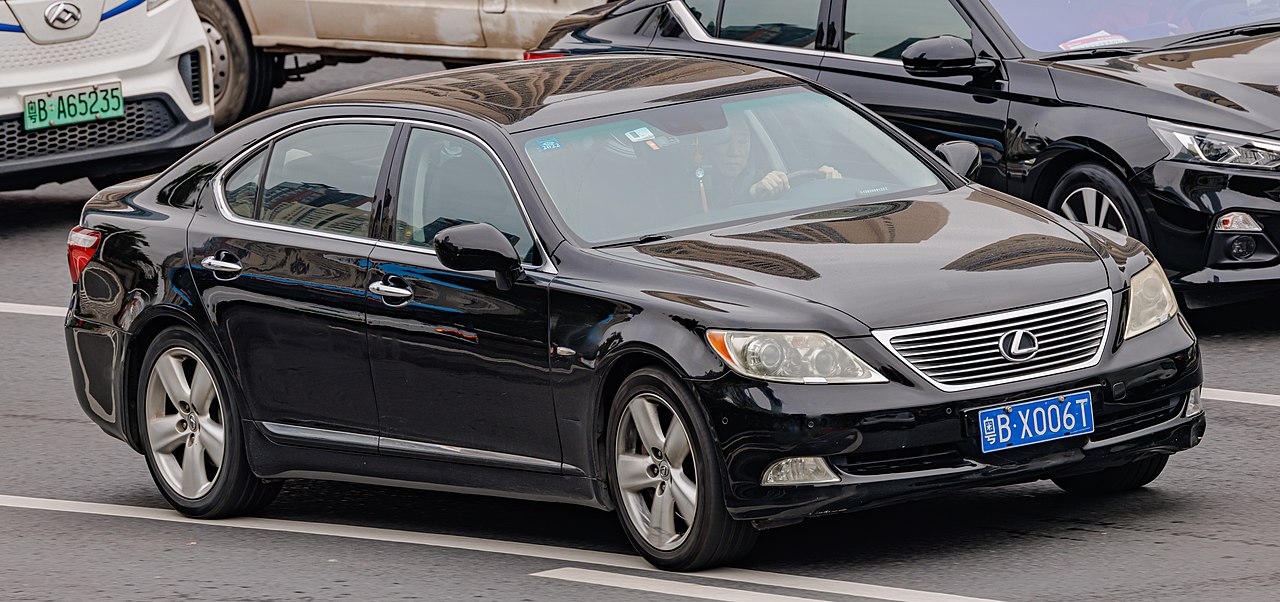
Among Toyota’s many reliable nameplates, the Lexus LS with its 4.0‑liter and 4.3‑liter V8 engines stands out as the classic “buy it and forget about it” luxury sedan. Early LS 400 and LS 430 models built their reputation on overbuilt drivetrains, conservative tuning, and a focus on refinement instead of headline-grabbing horsepower. Owners routinely report odometer readings well into six figures with original engines and transmissions still running smoothly, which is why the LS is so often held up as Toyota’s benchmark for long-term durability. That reputation is grounded in the car’s simple formula: a naturally aspirated V8, a conventional automatic, and a chassis tuned for comfort rather than stress.
Reporting on long-term ownership backs up the idea that the LS behaves more like a Camry in a tuxedo than a fragile flagship. High-mileage examples of the LS 400 and LS 430 are frequently cited for their minimal unscheduled repairs, with maintenance logs dominated by routine items such as timing belts, fluids, and suspension bushings rather than major engine or transmission work. Used market guides point to the LS as one of the few luxury sedans where a 150,000‑mile car is not an automatic red flag, and reliability rankings consistently place older LS generations near the top of their segments for low failure rates and modest repair costs over time, reinforcing its status as Toyota’s most trusted V8 sedan.
Why the LS V8 lasts so long
The LS did not stumble into its reputation by accident, it was engineered from day one to survive abuse that most luxury cars never see. Toyota’s V8 for the LS was designed with a conservative specific output, robust internals, and extensive testing at sustained high speeds, all of which reduce stress on components in everyday driving. The automatic transmissions paired with these engines are similarly understressed, favoring smooth, early shifts over aggressive, high‑rpm behavior. That combination means heat, the enemy of longevity, is kept in check, and wear items tend to age predictably instead of failing without warning.
Service data and owner surveys highlight how this engineering philosophy pays off in the real world. Reliability studies that track repair frequency over a decade or more show LS V8 powertrains with exceptionally low rates of catastrophic failure, especially compared with European rivals that rely on more complex turbocharged setups. Independent mechanics often describe the LS as straightforward to service, with good parts availability and clear factory procedures, which keeps long-term ownership costs in line with mainstream sedans. When issues do appear, they are usually age-related items like air suspension components or electronics rather than core engine problems, and many buyers deliberately seek out LS trims with conventional steel springs to further simplify upkeep, a strategy supported by used‑car reliability analyses.
What to look for in a used LS V8 today
For shoppers eyeing a used LS V8, the good news is that the fundamentals are usually solid if the car has seen regular maintenance. The most important checks are documented oil changes, timing belt and water pump service at the recommended intervals, and transmission fluid that has not been neglected for multiple owners. Buyers are also advised to inspect suspension components, especially on LS 430 models with optional air suspension, since worn struts or leaking bags can turn into the most expensive part of ownership. Interior electronics should be tested methodically, from seat motors to climate controls, because age and heat can take a toll even when the drivetrain is healthy.
Market guides note that clean LS 400 and LS 430 examples with full service histories still command a premium over rougher cars, which reflects how strongly reliability shapes demand. Listings that highlight recent timing belt work, fresh suspension parts, and up-to-date fluid changes tend to sell faster, and buyers who prioritize those records usually enjoy the trouble-free experience that made the LS famous in the first place. Long-term owner reports suggest that once the big maintenance items are handled, these V8 sedans settle into a predictable rhythm of modest running costs and calm highway manners, which is exactly what many people want from a luxury car that is supposed to feel like it will never let them down.
More from Steel Horse Rides: