
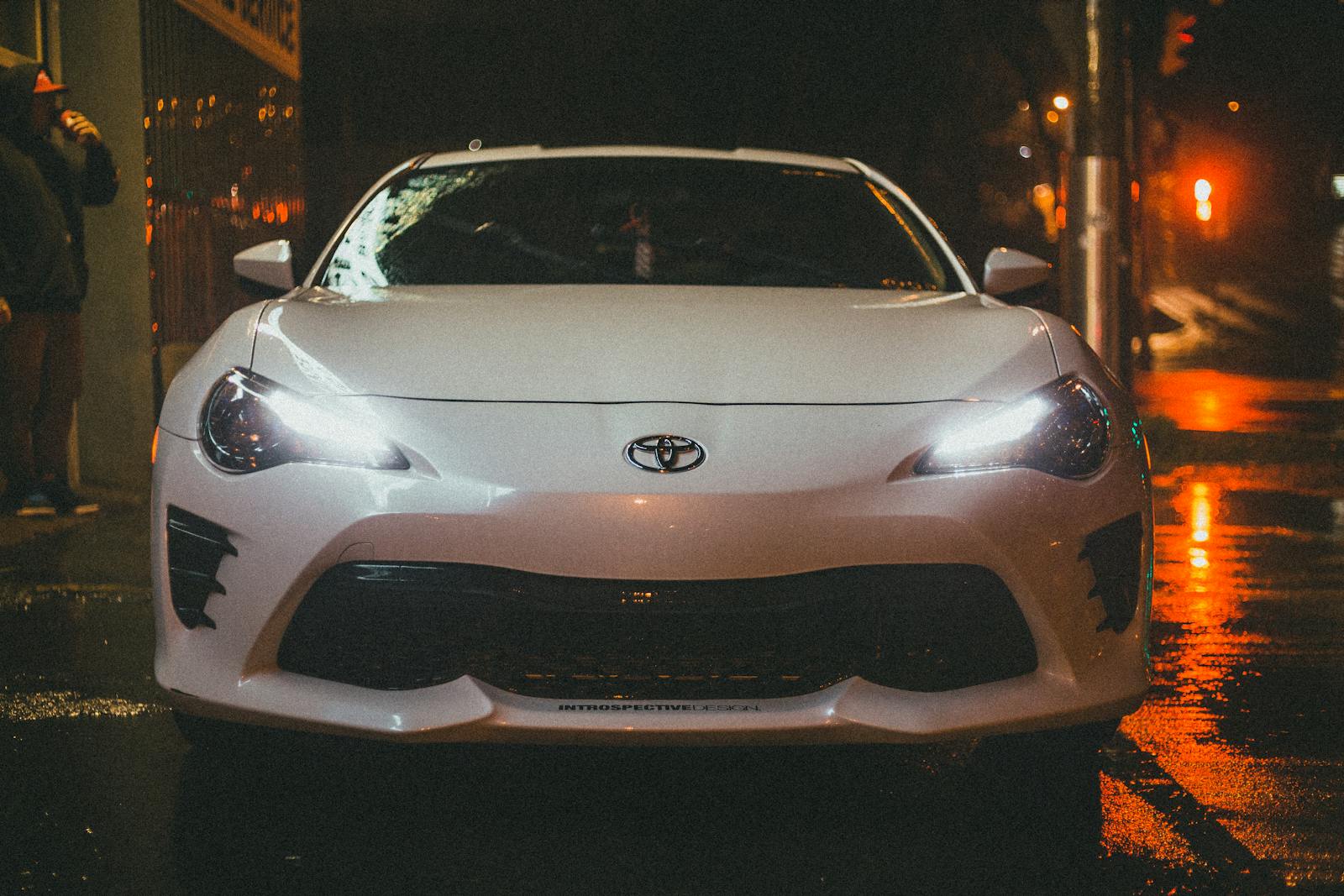

The 2026 Toyota Camry has made a bold move that’s turning heads in the automotive world. The 2026 Camry is now exclusively hybrid across all trims, marking the first time in the model’s history that a traditional gas-only engine isn’t available. For decades, the Camry has been America’s go-to midsize sedan, but Toyota just changed the game entirely.
What’s really catching buyers off guard is the fuel economy. Some drivers are reporting numbers that rival dedicated hybrid vehicles, with efficiency figures that seem almost too good to be true for a car of this size. The Camry is now the most efficient mid-size sedan on the market today, even with all-wheel drive available.
This shift isn’t just about better gas mileage. Toyota has redesigned the Camry from the ground up, blending performance with efficiency in ways that previous generations never achieved. The question on everyone’s mind is whether this all-hybrid lineup will redefine what buyers expect from a mainstream sedan.
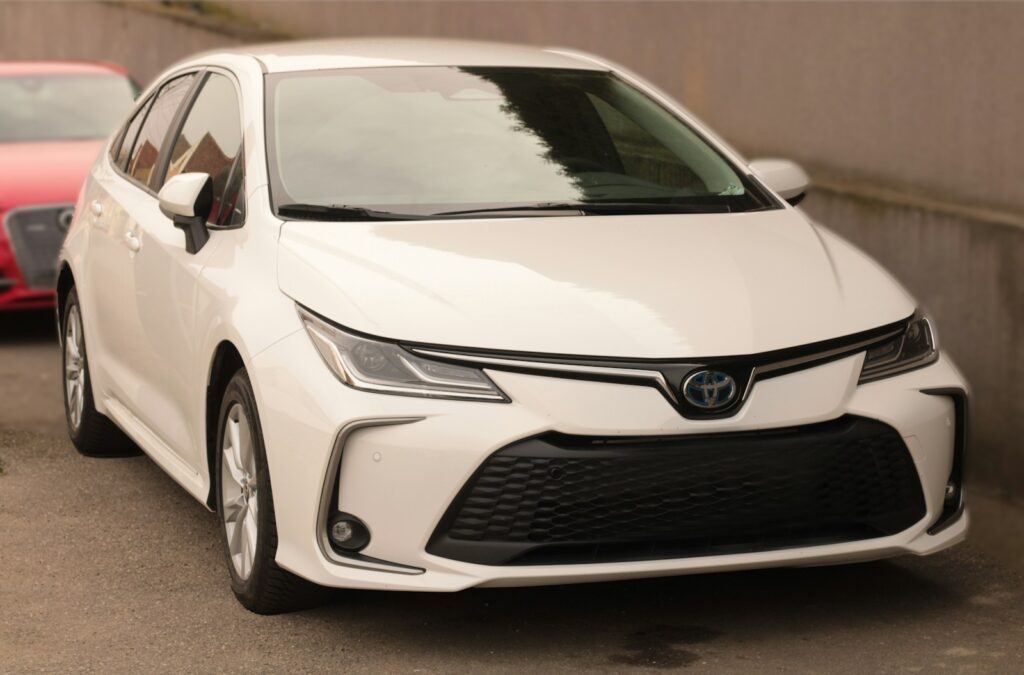
How the 2026 Toyota Camry Hybrid Achieves Amazing MPG
The 2026 Toyota Camry delivers up to 51 mpg combined in its most efficient configuration, thanks to an exclusive hybrid powertrain and Toyota’s latest engineering improvements. The redesigned sedan uses a refined hybrid system with better efficiency than previous models.
Hybrid-Only Powertrain and Engineering Upgrades
Toyota made the major decision to make the Camry hybrid standard across all trims when it redesigned the car for 2025. This marks the first time a gas-only engine isn’t available in the model’s history.
The 2026 Toyota Camry uses a 2.5-liter four-cylinder engine paired with electric motors through the fifth-generation Toyota Hybrid System. The engine features a high 14.0:1 compression ratio and reaches 41% thermal efficiency, meaning more fuel energy converts to motion rather than heat. The system includes dual injection technology that combines direct and port injection for optimized combustion.
Front-wheel drive models produce 225 combined horsepower, while all-wheel drive versions deliver 232 horsepower. The AWD system adds a third electric motor to the rear axle that operates independently without a mechanical driveshaft.
EPA Ratings and Real-World Fuel Economy
The base LE trim achieves the highest efficiency numbers at 51 mpg combined (53 city/50 highway). Even with all-wheel drive, the Camry returns up to 50 mpg.
Higher trims with larger wheels see slightly lower ratings:
- SE, XLE, and XSE trims: 44-47 mpg combined
- Nightshade Edition: Similar to sport trims due to 19-inch wheels
The variance comes from wheel size and weight differences across trim levels. The 18-inch and 19-inch wheels on sportier models create more rolling resistance than the base model’s smaller wheels.
Driving Range and Tank Capacity
The standard hybrid powertrain delivers strong range capabilities for long-distance driving. The lithium-ion battery pack operates more frequently in EV-only mode at low speeds compared to earlier hybrid systems, reducing fuel consumption during city driving.
The refined hybrid system allows drivers to cover significant distances between fill-ups, particularly in the LE configuration. The combination of the fuel-efficient powertrain and adequate tank capacity gives the 2026 model practical everyday usability for commuters and road trippers alike.
Trim Levels, Features, and Comparison to Rivals
The 2026 Camry lineup consists of four main hybrid trims, each packed with more standard equipment than before, while competitors like the Honda Accord Hybrid and Hyundai Sonata Hybrid are scrambling to match both the efficiency numbers and the value proposition.
Camry LE, SE, XLE, and XSE: What’s New in Each Trim
The Camry LE serves as the entry point with a 225-horsepower hybrid powertrain standard across all trims. Toyota eliminated the gas-only option entirely, making every 2026 Camry a hybrid by default.
The Camry SE adds sport-tuned suspension and more aggressive exterior styling with black accents. It targets drivers who want a sportier feel without sacrificing fuel economy.
Moving up to the Camry XLE brings premium touches like upgraded upholstery and additional sound insulation. The XSE combines the sporty SE aesthetics with XLE comfort features, creating what many consider the sweet spot in the trim level hierarchy.
Trim Starting Features:
- LE: 12.3-inch touchscreen, Toyota Safety Sense 3.0, cloth seats
- SE: Sport suspension, paddle shifters, unique grille design
- XLE: Leather-trimmed seats, power driver’s seat, ambient lighting
- XSE: Sport styling with premium interior, rear spoiler
Standout Features: Comfort, Tech, and Ventilated Seats
Toyota equipped the 2026 Camry with ventilated seats on higher trims, a feature that’s becoming a dealbreaker for buyers in warmer climates. The perforated leather seats actively cool passengers during hot weather, something the Honda Accord reserves for top-tier models.
The infotainment system received a significant upgrade with wireless Apple CarPlay and Android Auto standard. A larger 12.3-inch touchscreen replaced the previous 9-inch unit, giving drivers better visibility and easier control access.
Upper trims also feature a 10-inch digital gauge cluster and a head-up display that projects speed and navigation directly onto the windshield. The panoramic sunroof on XLE and XSE models stretches further back than the previous generation, flooding the cabin with natural light.
Toyota Camry Hybrid vs. Honda Accord Hybrid and Hyundai Sonata Hybrid
The Honda Accord Hybrid remains the Camry’s primary midsize sedan competitor, offering similar efficiency with a different driving character. Honda’s system produces 204 horsepower compared to the Camry’s 225, giving Toyota an edge in acceleration.
The Hyundai Sonata Hybrid undercuts both on price but can’t match the Camry’s 60 MPG achievement. Hyundai’s hybrid delivers around 52 MPG combined, making the efficiency gap substantial for daily commuters calculating fuel costs.
| Model | Combined MPG | Horsepower | Starting Price |
|---|---|---|---|
| Toyota Camry Hybrid | 60 | 225 | ~$30,000 |
| Honda Accord Hybrid | 48-50 | 204 | ~$31,000 |
| Hyundai Sonata Hybrid | 52 | 192 | ~$29,000 |
The Toyota Prius achieves better fuel economy at 57 MPG but offers less interior space and a completely different form factor. Buyers who want sedan proportions without sacrificing efficiency are finding the new Camry hits that balance perfectly.
Why Buyers are Surprised: Value, Efficiency, and Market Impact
Dealers are reporting that shoppers walk in expecting hybrid technology to cost significantly more than traditional gas engines. When they discover every Camry is now a hybrid at competitive pricing, the reaction shifts from curiosity to serious consideration.
The 60 MPG rating exceeds what most buyers thought possible in a midsize sedan. Many assumed only compact cars like the Prius could achieve such numbers, making the Camry’s capability unexpected.
Toyota’s decision to go hybrid-only also eliminated the confusion of choosing between powertrains. Buyers no longer face the “gas or hybrid” dilemma that complicated previous purchase decisions, streamlining the shopping experience to trim selection only.
The market impact extends beyond individual sales, as Honda and Hyundai are now facing pressure to boost their hybrid efficiency. Industry analysts expect competitors to accelerate hybrid development timelines in response to the Camry’s breakthrough numbers.
More from Steel Horse Rides:
- 13 Most Powerful Muscle Cars of All Time
- 13 Underrated JDM Cars That Deserve More Love
- 15 JDM Cars That Were Illegal in the U.S.
- 13 SUVs From the ’90s That Are Surprisingly Cool Today