
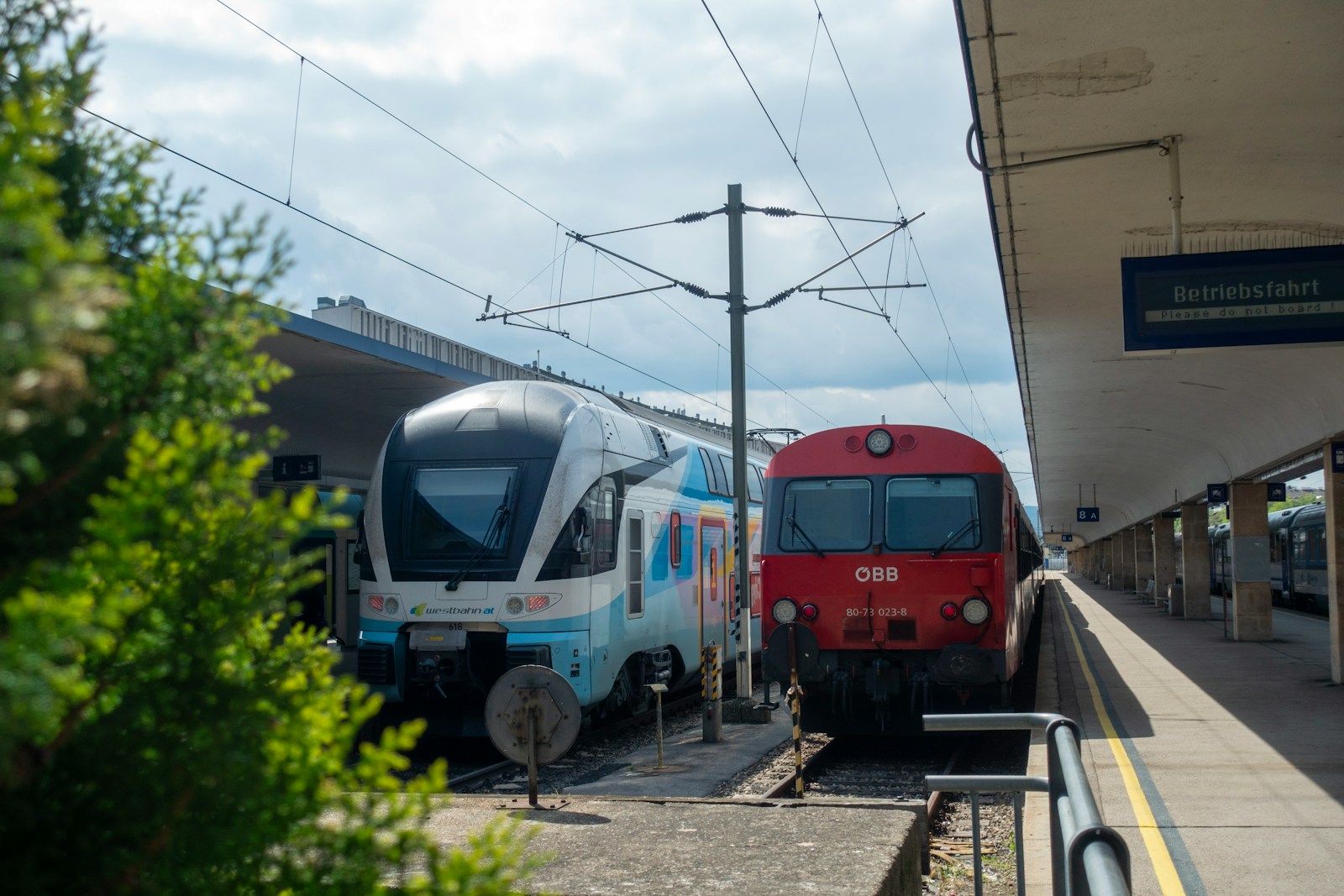

You spot the headlines: officials weighing a switch from electric trains back to diesel to trim costs. They say the swap could save nearly $9 million by using diesel equipment already in the fleet, but that move would erase recent emissions gains and change the environmental story of the line.
This post breaks down what the proposal would mean for service, riders, and the planet, then compares electric and diesel trade-offs and captures the reactions from advocates and officials. You’ll get the facts, the likely impacts, and the key arguments so you can understand what’s at stake.
Electric vs. Diesel Trains: The Proposed Switch and Its Implications
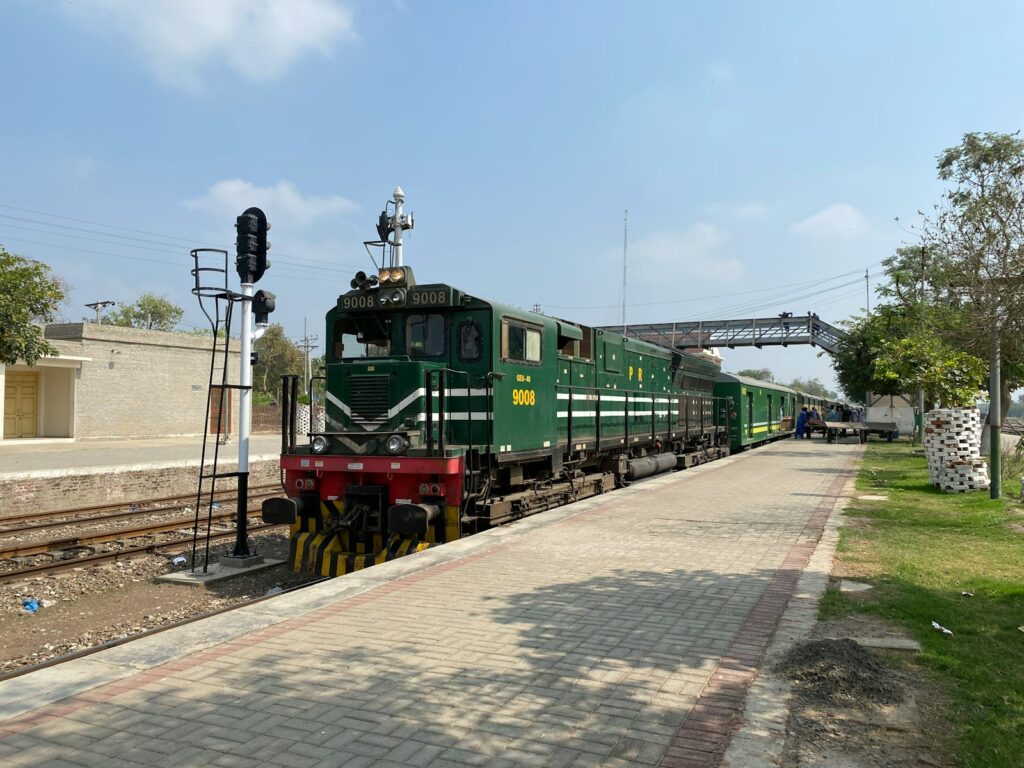
The proposal would trade Shore Line East’s all-electric M‑8 service for diesel-powered sets along most of the New Haven–New London corridor. Officials point to immediate operating savings and existing diesel inventory, while opponents warn of higher emissions and a step back from recent electrification investments.
Reasons for the Proposed Transition
The Connecticut DOT frames the change as a budget-driven move to cut roughly $9 million in operating and maintenance costs by using diesel units already in its fleet. Running diesel equipment avoids additional procurement or specialized electric maintenance and reduces short-term outlays for electricity infrastructure upkeep.
Financial logic underpins the pitch, but it relies on the agency’s claim that service levels, fares and timetables would remain the same. Riders and environmental advocates note that the accounting omits longer-term fuel and health costs, and overlooks the emissions benefits of the M‑8 electric trains introduced in 2022.
Service Changes on Shore Line East
Under the plan, Shore Line East would keep service across its nine stops between New Haven and New London without scheduled reductions. Connecticut DOT says trips between New London and Stamford would still operate, with one M‑8 retained for that segment and the rest moved to reserve status.
Passengers should expect similar timetables and fares, but some on-board amenities and ride characteristics could differ. Electric M‑8s are quieter and have different acceleration profiles than diesel trains, which may affect perceived comfort on runs to New London and intermediate stations.
Impact on M-8 and Diesel Train Fleets
Most M‑8 electric multiple units would shift out of regular duty and become reserves if dieselsets take over. That would lower routine use of the M‑8 fleet, potentially changing maintenance cycles and warranty or lifecycle planning tied to electric equipment.
Diesel engines already in inventory would see increased utilization, reducing the need for new purchases but increasing diesel fuel consumption and related emissions. Retaining a single M‑8 for the New London–Stamford leg preserves some electric capacity, yet the broader fleet strategy would tilt back toward diesel operations, affecting long-term fleet modernization and environmental commitments.
For reporting on the proposal and local reactions, see the WFSB coverage of the Connecticut DOT plan (Connecticut could replace electric trains with diesel engines to save $9 million).
Reactions and Environmental Concerns
Local riders and residents express frustration and concern about the shift. Many note the visible rollback of an earlier environmental initiative and worry about air quality and noise along the Shore Line East corridor. Others focus on practical effects: seating, ride smoothness, and whether schedules or fares will change.
Community and Passenger Perspectives
Passengers who rode the electric M‑8s praise quieter cabins and quicker acceleration that shortens trips. Commuters in New London and New Haven say diesel engines produce more noise and diesel exhaust that can settle near stations and residences. Riders who rely on predictable service worry that swapping equipment could introduce delays if diesel units require different maintenance or track handling.
Community groups emphasize health impacts for people living close to the tracks, citing concerns about particulate matter and black carbon from diesel exhaust. Some transit advocates welcome lower operating costs if it preserves service frequencies, while others call for transparent data on expected emissions and noise changes before any final decision.
Debate Over Environmental Commitments
Officials framed the original switch to M‑8 electric trains as a step toward cleaner operations. Reintroducing diesel is being read by environmental advocates as a retreat from that commitment. The DOT says cost-cutting and existing diesel inventory drive the proposal, but activists argue lifecycle emissions and local air quality impacts deserve full accounting.
Technical analysts point to studies showing electrification reduces greenhouse gases when electricity is clean, and that electric trains have fewer moving parts and lower maintenance needs. Opponents of the diesel plan ask for a comparison of long‑term maintenance and external health costs versus short‑term budget savings to judge whether the tradeoff is justified.
Balancing Cost-Cutting and Sustainability
Budget officials stress immediate savings—about $9 million cited in reporting—if the state avoids new electric equipment purchases and uses diesel units already in inventory. That figure appeals to fiscal managers facing tight transit budgets and maintenance backlogs. Operational leaders counter that diesel may increase long‑term maintenance and external health costs.
A practical path proposed by some stakeholders mixes approaches: retain electric service where ridership and emissions benefits are greatest, and use diesel or alternative technologies on lower‑traffic segments. They suggest assessing partial electrification, battery or hydrogen options, and targeted scheduling to minimize environmental impact while achieving cost goals. For transparency, community members request published cost comparisons and air‑quality estimates before implementation.
More from Steel Horse Rides: