

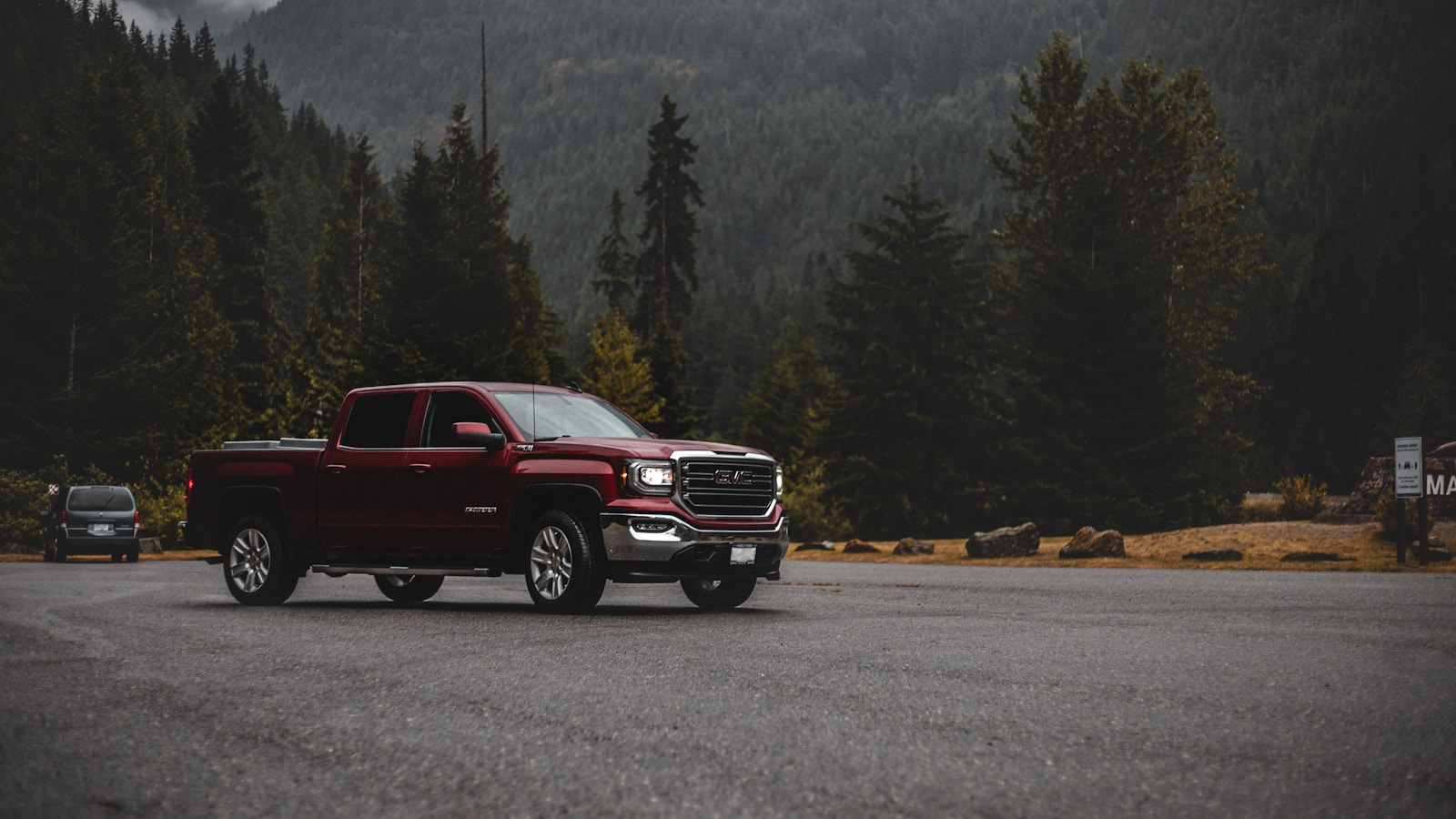
Truck owners love to personalize their rigs, but one popular upgrade is quietly turning certain pickups into rolling invitations for thieves. Across the country, drivers are discovering that the same tech and hardware that make a truck more capable or more comfortable can also make it far easier to steal. The pattern is clearest on specific GM models, where a mix of aftermarket add‑ons and factory design quirks has created a sweet spot for organized theft rings.
Owners who thought they were investing in convenience or style are now finding their trucks gone in minutes, sometimes without a single shard of glass left behind. Police departments and insurance investigators are warning that once thieves know a particular configuration is vulnerable, word spreads fast, and those trucks start disappearing from driveways, job sites, and mall parking lots.
The “one upgrade” thieves are watching for
The upgrade that keeps coming up in theft reports is not a flashy light bar or a lift kit, it is the modern electronic convenience gear that ties into a truck’s ignition and locking systems. Remote start modules, plug‑in diagnostic devices, and aftermarket alarm or tracking systems all hook into the same wiring and data lines that control whether a truck will crank, which is exactly what thieves want access to. On some GM pickups, that wiring is already relatively easy to reach, so once an owner adds a device that exposes it even more, the truck becomes a low effort target.
Security specialists who study why certain GM trucks are being hit say the problem starts with how the factory ignition and steering column are laid out, then gets worse when owners add gear that was never designed with hardened theft protection in mind. The result is a truck that can be started with a small tool kit and a few minutes of privacy, a pattern that has been documented in detailed breakdowns of GM thefts.
Why GM pickups sit at the center of the trend
GM trucks have always been popular with buyers, which already makes them attractive to thieves who want to flip stolen vehicles or strip them for parts. What has changed is that certain generations of these trucks combine high resale value with ignition systems that are relatively simple to defeat. Analysts who have examined the problem note that, despite big strides in infotainment and powertrain tech, the underlying security hardware on some of these models has not kept pace.
That gap is especially frustrating for owners because they see new touchscreens and smoother engines, but the lock and key side of the truck still relies on older style components that are easier to bypass. Reporting on the issue points out that, despite improvements in infotainment and powertrain systems in newer models, GM has not yet issued a recall or broad security upgrade addressing the weak points that make these trucks so tempting.
How thieves actually exploit the upgrade
Once a thief knows a particular truck has an aftermarket device tied into its ignition or data port, the playbook is straightforward. They look for the easiest way into the cabin, often through a door that can be pried or a lock that can be punched, then head straight for the steering column or the area under the dash. On some GM models, the wiring that should be buried and protected is instead reachable with minimal disassembly, and an added module or harness can act like a roadmap to the exact circuits that need to be jumped.
Investigators who have walked through these thefts describe thieves using small pry tools to pop trim panels, then clipping into exposed wires or unplugging a security module that an owner had installed for convenience. Because the factory systems on these trucks are not hardened against that kind of tampering, the thief can often bypass the key entirely and start the engine through the same connections that a remote start or diagnostic device would use, a weakness that has been highlighted in technical breakdowns of GM security.
Texas crime alerts put a spotlight on specific trucks
The pattern is not just showing up in insurance spreadsheets, it is playing out in local crime alerts. In East Montgomery, County, officers with the Roman Forest Police Department have warned that particular trucks are being hit repeatedly in neighborhoods and at businesses. Their message to owners is blunt, if a thief knows how to work one of these trucks, every similar model on the block starts to look like an easy payday.
In a televised warning, Roman Forest officers described a rise in thefts involving targeted pickups and urged drivers to rethink how and where they park, especially overnight. The department’s alert, which focused on East Montgomery, County and the city of Forest, underscored that thieves are not randomly walking lots, they are hunting for specific trucks that match the configurations they already know how to steal, a pattern laid out in detail in the crime alert.
What owners are doing that unintentionally helps thieves
Truck owners are not trying to make life easier for criminals, but some common habits do exactly that. Leaving a truck idling with the doors unlocked while grabbing coffee, stashing a spare key in the wheel well, or parking in the same dark corner of a lot every day all give thieves more chances to study and approach a vehicle. When that truck also has an exposed diagnostic port or a visible aftermarket module under the dash, the risk multiplies.
On vulnerable GM models, owners sometimes add remote start or alarm systems that require cutting into factory wiring, then leave the new harness hanging or only loosely secured. That kind of installation can leave bright, easy to spot connectors right where a thief expects them, turning what should be a hidden security system into a neon sign. Analysts who have examined why GM trucks are being targeted say these owner choices, layered on top of the factory design, help explain why certain pickups are disappearing at higher rates than others, a trend detailed in reports on targeted models.
Why “Despite” keeps coming up in security conversations
Owners who follow the issue closely keep running into the same word: Despite. Despite new screens, smoother engines, and more advanced driver aids, the core security architecture on some GM trucks has not been overhauled in a way that shuts down the tricks thieves are using. That disconnect leaves drivers feeling like they paid for a modern truck but are stuck with old school vulnerabilities.
Technical reviews of these thefts note that, despite improvements in infotainment and powertrain systems in newer models, GM has not yet issued a recall or comprehensive security upgrade addressing the ignition and column weaknesses that thieves exploit. Instead, the burden falls on owners to layer on their own fixes, even though the root of the problem sits in how the trucks were built in the first place, a point that has been emphasized in analyses of factory security.
How police say drivers can push back
Law enforcement agencies that see these thefts up close are not just sounding alarms, they are offering specific advice. Officers in East Montgomery, County have urged owners of the most frequently stolen trucks to park in well lit areas, use steering wheel locks, and avoid leaving vehicles running unattended, even for a short stop. They also stress the value of visible deterrents, since thieves looking for a quick, quiet job will often move on if a truck looks like it will take extra time.
Roman Forest police have also encouraged drivers to talk with trusted installers before adding any device that taps into the ignition or data systems, and to ask how that hardware will be secured out of sight. Their public warnings, shared in the Roman Forest video, frame it simply, if a thief cannot easily reach the wiring or modules that control whether a truck starts, they are more likely to leave it alone and look for a softer target.
Smarter upgrades that actually make trucks safer
Not every modification is a liability. Some upgrades can genuinely raise the bar for thieves, especially when they add layers that do not rely on the same vulnerable wiring. Steering wheel locks, brake pedal locks, and hidden kill switches that interrupt fuel or starter circuits in less obvious places can all make a truck harder to move. So can GPS trackers that are installed deep in the vehicle rather than plugged into an easy to reach port.
Security specialists who study why GM trucks are being targeted say the key is to choose gear that does not simply piggyback on the same exposed systems thieves already know how to attack. Instead, they recommend hardware that forces a criminal to solve multiple problems at once, from a locked steering wheel to a dead starter circuit, while also increasing the odds that police or neighbors will notice what is happening. For owners of the most at risk GM pickups, that kind of layered approach can be the difference between waking up to an empty driveway and keeping a truck on the road.
The bottom line for truck owners
For drivers who love their trucks, the takeaway is not to avoid upgrades altogether, but to be choosy about which ones they install and how they are wired. Any device that connects directly to the ignition, steering column, or data port should be treated as a potential weak spot unless it is installed with security in mind and tucked well out of sight. On GM models that thieves already favor, that caution matters even more.
As theft patterns in places like East Montgomery, County and Roman Forest show, once criminals figure out a reliable method on a particular truck, they will keep using it until something changes. Owners who understand how their favorite upgrades can double as a thief’s toolkit are in a better position to push back, whether that means choosing different gear, demanding stronger factory protections, or adding old fashioned, visible locks that send a clear message that this truck will not be an easy score.
More from Wilder Media Group: