

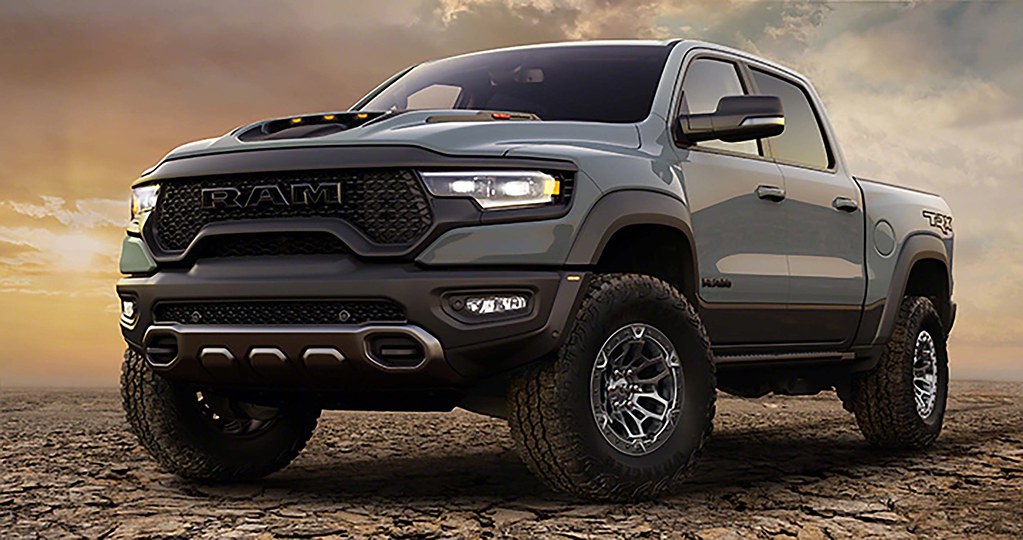
A recent survey reveals that a significant number of truck owners across the United States express regret over their vehicle purchases, particularly highlighting models such as the 2021 Ram 1500 and the 2020 Ford F-150. This sentiment reflects broader issues in the automotive industry, including rising maintenance costs, fuel prices, and evolving consumer preferences. The findings raise important questions for prospective buyers in a market that has seen a surge in sales but also faces challenges in customer satisfaction.
Survey Highlights Consumer Discontent
The survey, conducted by the automotive research firm J.D. Power, found that over 30% of truck owners reported feelings of regret about their purchases. Among the reported grievances, the 2021 Ram 1500 topped the list, primarily due to its high maintenance costs and fuel efficiency issues. Similarly, the 2020 Ford F-150, once hailed as the best-selling truck in America, has faced criticism from owners who cite reliability concerns and expensive repairs as major drawbacks.
Rising Costs Affect Ownership Experience
One of the primary factors contributing to regret among truck owners is the rising cost of vehicle maintenance. According to AAA, the average cost of maintaining a pickup truck has increased by nearly 20% over the past three years, with owners spending upwards of $1,000 annually on routine services. Additionally, fuel prices have surged, with the national average for a gallon of gasoline reaching over $3.50, further straining the budgets of truck owners who rely on their vehicles for both work and personal use.
Changing Consumer Preferences
As environmental concerns continue to gain traction, many consumers are gravitating towards more fuel-efficient vehicles, including electric and hybrid models. A recent study by the Pew Research Center found that 58% of Americans are considering an electric vehicle for their next purchase. This shift in preferences is prompting truck manufacturers to rethink their strategies, with several companies announcing plans to electrify their truck offerings in the coming years.
Manufacturer Responses to Consumer Feedback
In response to the concerns raised by owners, several truck manufacturers are taking action to improve their models. Ford, for example, has recently introduced the all-electric Ford F-150 Lightning, aiming to attract buyers who prioritize sustainability without sacrificing performance. Similarly, Ram is expected to unveil a new electric truck model in 2024, signaling a commitment to meeting evolving consumer demands.
Recalls and Reliability Issues
Compounding the dissatisfaction among truck owners are recent recalls affecting numerous models. In late 2022, Ford issued a recall for over 200,000 F-150 trucks due to potential engine failures, leading to further discontent among owners. Such reliability issues not only impact the current value of these trucks but also raise concerns about long-term ownership experiences, prompting many to reconsider their investments.
Advice for Prospective Truck Buyers
For consumers contemplating the purchase of a truck, experts recommend conducting thorough research before making a decision. Potential buyers should review customer satisfaction ratings, maintenance costs, and fuel efficiency statistics for various models. Additionally, consulting resources such as consumer reports and automotive reviews can provide valuable insights into the long-term reliability of specific trucks.
A Call to Action for Truck Owners
As the automotive landscape continues to change, it is crucial for current truck owners to assess their needs and consider whether their vehicles still meet those demands. If you are experiencing dissatisfaction with your truck, consider reaching out to your dealership for potential solutions, including trade-in options or warranty services. For prospective buyers, staying informed about upcoming models and industry trends will be essential to making a wise investment in what is often one of the largest purchases individuals make.
In an era where consumer preferences are rapidly evolving, understanding what truck ownership entails is more important than ever. Whether you are an owner regretting your choice or a prospective buyer weighing your options, taking proactive steps can lead to a more satisfying automotive experience.