

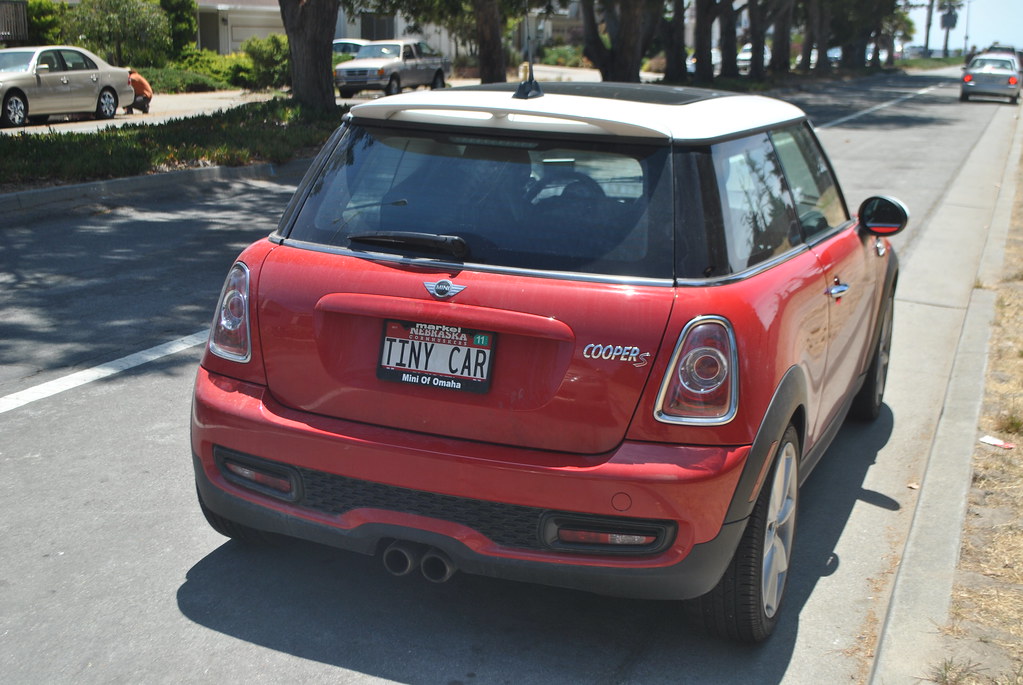
President Donald Trump has turned tiny cars into his latest political project, pitching them as a fast way to cut sticker prices and give drivers more choice. The idea is simple enough: shrink the vehicle, shrink the payment, and maybe even shrink the gas bill. But American buyers have spent decades moving in the opposite direction, toward bigger SUVs and trucks, so the real question is whether these pint sized imports and new domestic models actually fit how people live and drive.
For now, the buzz around tiny cars is running ahead of the reality on the road. The administration is clearing regulatory space, automakers are testing the waters, and early adopters are kicking tires in showrooms and pop up events. Whether this turns into a genuine shift or just a quirky footnote will come down to how well these cars handle daily American life, from cramped city blocks to long highway hauls.
Trump’s tiny car push, from policy to parking lots
The political groundwork for this push has been laid in a flurry of announcements from President Trump and his transportation team. The administration’s Freedom Means Affordable proposal is pitched as a broad affordability play, projected to save the American people $109 billion over five years by loosening rules and encouraging cheaper models. In parallel, President Trump has publicly celebrated what he calls TINY CARS, telling supporters that he has approved these vehicles to be built in America and that Manufacturers have long wanted to copy the success of Japanese kei designs.
That political enthusiasm is colliding with a regulatory backdrop that is more complicated than the sound bites suggest. On fuel rules, the Trump administration has moved to roll back efficiency standards that were first set by Congress, even as he argues that smaller cars will naturally sip less gas. At the same time, President Trump has used rallies and interviews to say he has just approved tiny cars to be built in America, with one Brett Samuels report noting that he framed it as lifting a barrier that supposedly kept companies from offering these models. Supportive coverage on cable and online video has amplified that message, with President Trump described as calling for tiny cars similar to what is popular in Asia to be built in America and another segment asking what the American car really represents.
What tiny cars actually offer drivers
Strip away the politics and the case for tiny cars starts with simple math on space and cost. In dense neighborhoods, a kei sized hatchback that can fit two to a standard parking space, as Jan reported when describing how Kei cars are displayed at Tokyo Motors DC in Maryland, is a very different proposition from a full size pickup. Analysts who have looked at the Advantages of Tiny say these vehicles can be especially useful for driving in US cities, where parking is scarce and trips are short. The same analysis notes that the concept is not one size fits all, instead suggesting that these models are a practical solution for a niche driver who prioritizes maneuverability and low running costs over cargo space.
Automakers are already experimenting with how to package that pitch. In Dec, reporting highlighted how Trump has praised cute Japanese designs and how Fiat plans to bring its tiny Topolino to the U.S., betting that some buyers will trade size for style and city friendly dimensions. A follow up look at the same trend noted that while Trump talks up these imports, he has also been willing to roll back fuel efficiency requirements, a reminder that the environmental case for these cars is not being driven by regulation. For shoppers, that means the value proposition is more about parking, price and personality than about meeting a government target.
Will Americans actually buy them?
The biggest hurdle for tiny cars is not whether they can be built, it is whether American buyers want them. Analysts who track the market point out that American car buyers have long preferred SUVs and trucks, a pattern that has helped push the average new vehicle price far above entry level compacts, with one report citing a small car at $18,635 with an automatic transmission as the exception rather than the rule for the American market. President Trump has argued that small cars can bring down big prices, telling supporters in a Truth So post that Manufacturers have long wanted to build these models just like in countries where they are popular, but skeptics note that low demand could limit how much those savings spread.
More from Wilder Media Group: