
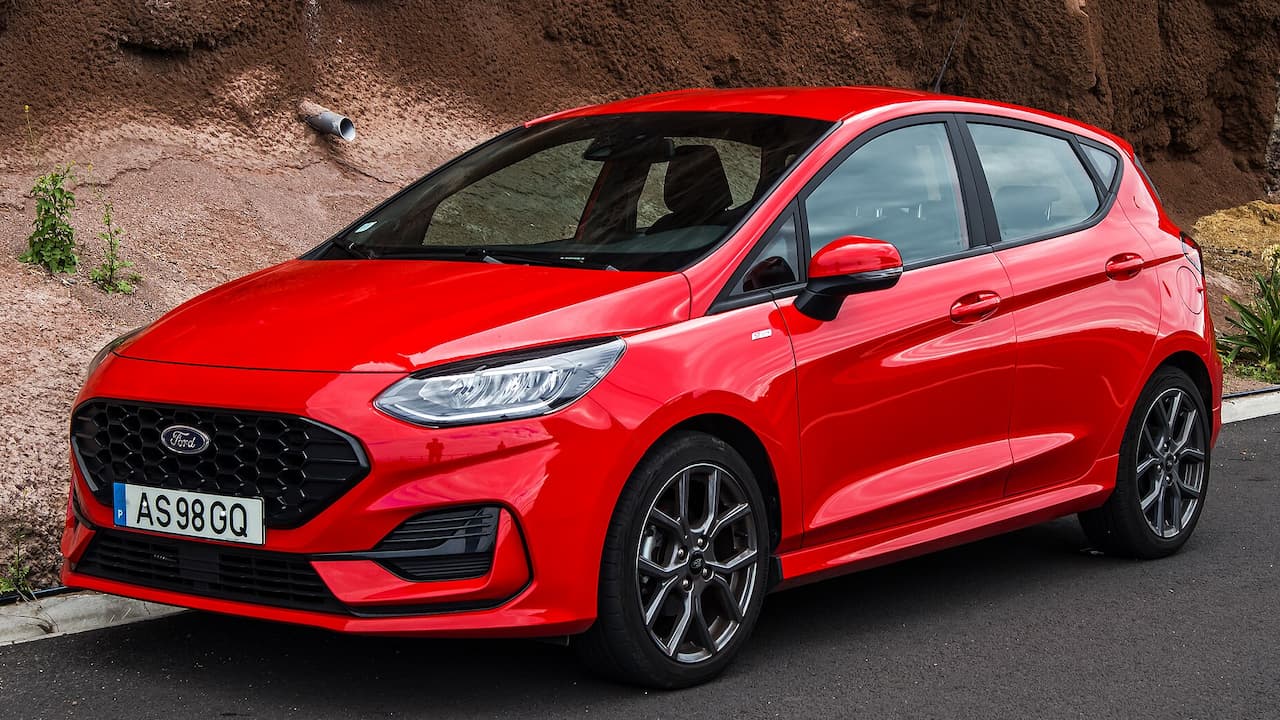

There’s an old saying in the world of automobiles: “There’s no replacement for displacement.” This adage posits that larger engines with more volume are inherently superior in power, performance, and overall driveability.
While this may have been true in the days of carbureted V8s and manual transmissions, advancements in technology have proven that smaller, turbocharged engines can pack just as much of a punch, if not more. In this blog post, we’re going to take a look at some excellent turbocharged engines that prove there’s a replacement for displacement.
BMW B58
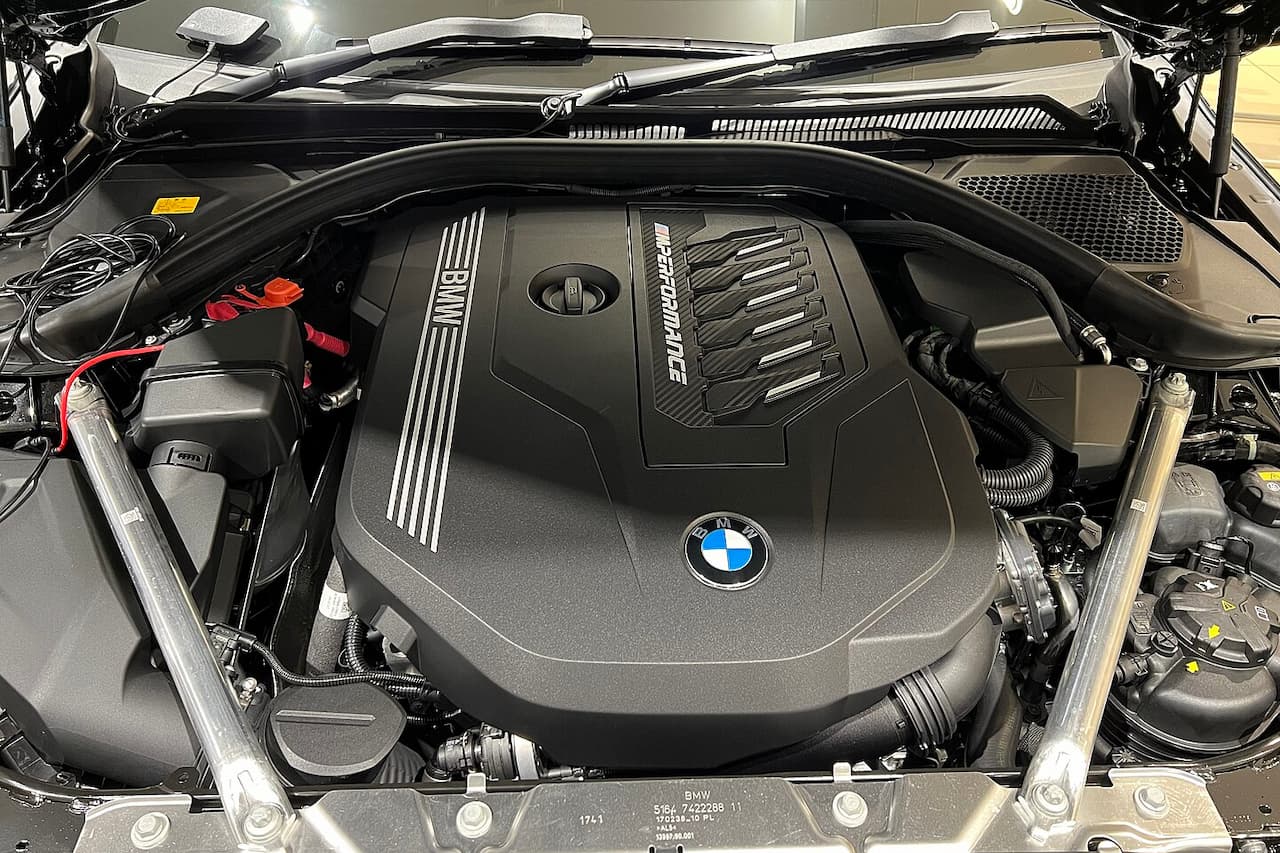
The B58 from BMW is a 3.0L inline-six turbocharged engine that was introduced in 2015. Offering a perfect balance of power and efficiency, it’s the heart of many BMW models, including the M240i, M340i, and the Z4 M40i.
One of the distinguishing features of the B58 engine is its closed-deck design, which enhances its durability and allows it to handle higher boost pressures. Moreover, it uses a single, twin-scroll turbocharger that reduces turbo lag and improves throttle response. With up to 382 horsepower, the B58 proves that a turbocharged engine can be both powerful and smooth.
Ford EcoBoost
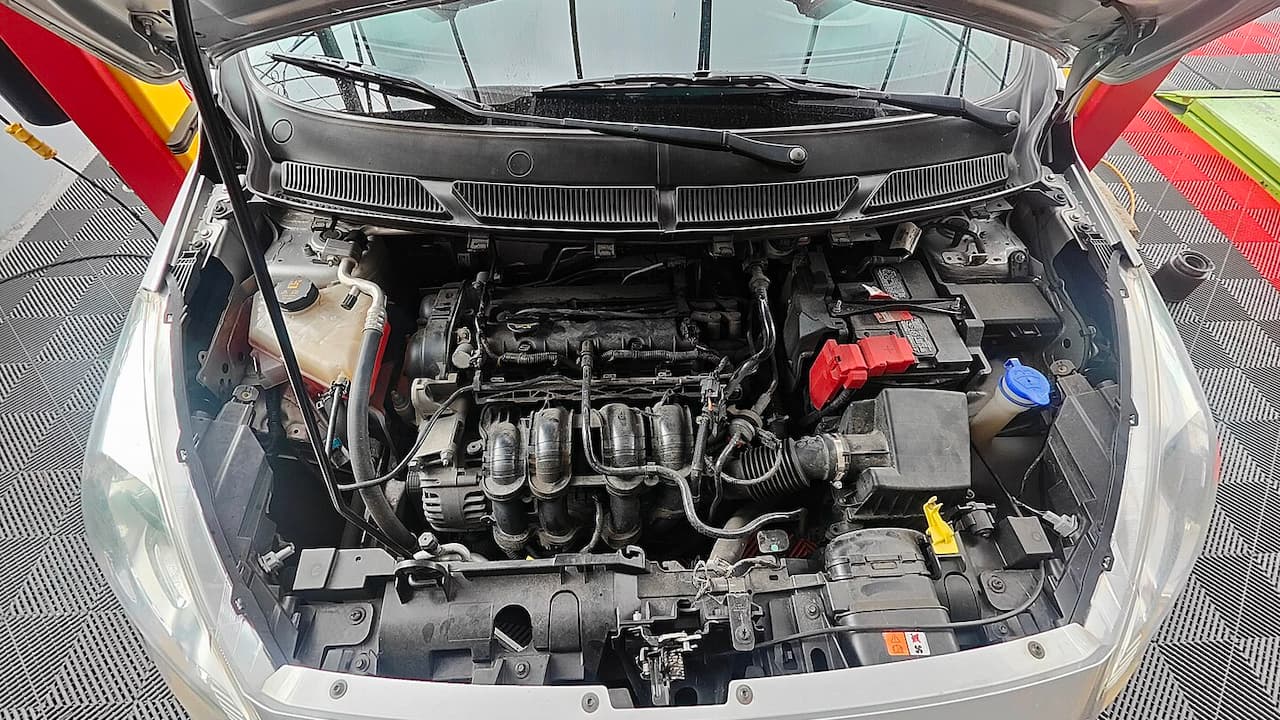
Ford’s EcoBoost technology is a line of turbocharged, direct-injection petrol engines that proves you don’t need a large, gas-guzzling engine to get robust power. Available in various displacements, from a 1.0L three-cylinder to a 3.5L V6, these engines are found in a wide range of Ford vehicles.
The 1.0L EcoBoost engine, for instance, which powers the Ford Fiesta, was named International Engine of the Year for three consecutive years from 2012 to 2014. This tiny powerhouse delivers up to 140 horsepower, demonstrating that small engines can indeed deliver substantial power when turbocharged effectively.
Mercedes-AMG M139
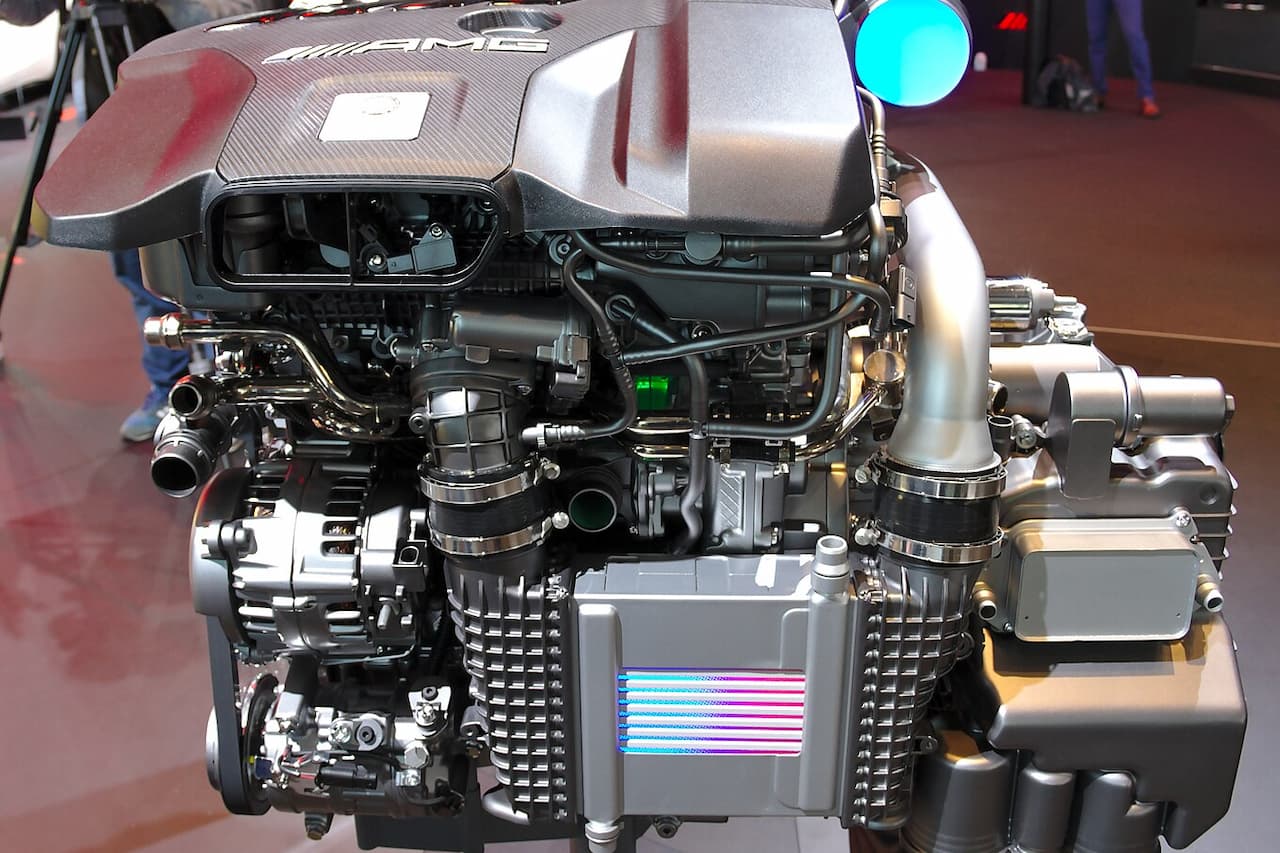
The M139 from Mercedes-AMG is a 2.0L four-cylinder turbocharged engine that holds the record for the most powerful series-production four-cylinder engine in the world. With an output of up to 421 horsepower, it powers the Mercedes-AMG A45 S, CLA45 S, and GLA45 S.
This engine features a unique “reverse flow” design where the turbocharger and exhaust manifold are positioned at the rear, allowing for improved air intake at the front. Coupled with its twin-scroll turbocharger, the M139 offers extraordinary power density, proving that turbocharged engines can push the boundaries of performance.
Porsche 9A2 Evo
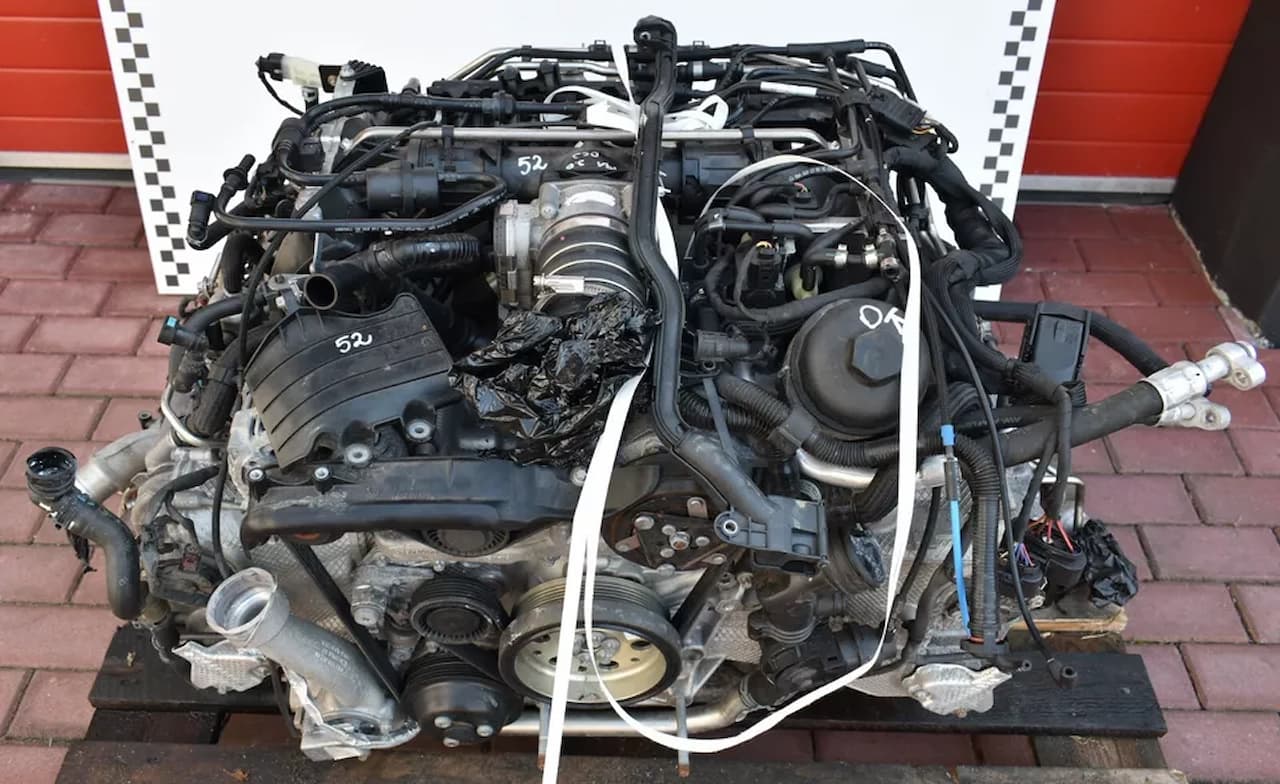
The 9A2 Evo is a 3.0L flat-six turbocharged engine from Porsche that powers the iconic 911 Carrera models. With its roots in motorsport, this engine embodies the spirit of high performance.
Featuring two symmetrical VTG turbochargers, the 9A2 Evo provides instant throttle response and delivers up to 450 horsepower. The engine also has a high compression ratio, which aids in fuel efficiency and lower emissions. This engine shows that turbocharging can enhance performance without compromising on efficiency or environmental responsibility.
Audi 2.5 TFSI
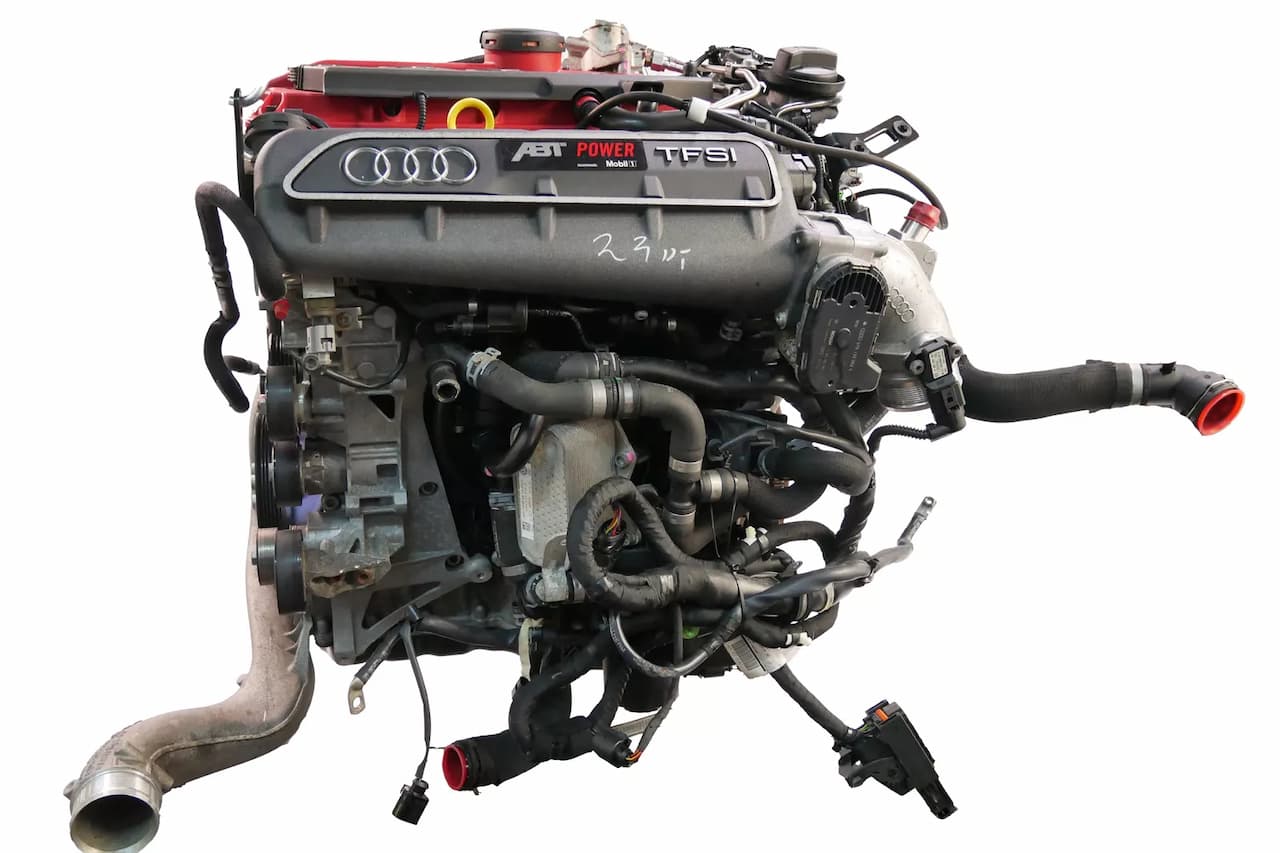
The 2.5 TFSI from Audi is a 2.5L five-cylinder turbocharged engine that has won the International Engine of the Year award multiple times. Used in the Audi RS3 and TT RS, it’s known for its unique soundtrack and impressive power output.
The engine uses a single, large turbocharger that delivers up to 400 horsepower. Audi’s use of an aluminum crankcase reduces weight, while the dual injection system improves efficiency and performance. The 2.5 TFSI is an example of how turbocharged engines can offer a distinctive driving experience.
Honda 1.5L VTEC Turbo

The 1.5L VTEC Turbo from Honda is a four-cylinder engine that combines turbocharging with Honda’s VTEC variable valve timing technology. It’s found in several Honda models, including the Civic and CR-V.
Despite its small size, this engine can produce up to 205 horsepower in the Civic Si. Furthermore, it delivers excellent fuel economy, making it a practical choice for daily driving. This engine demonstrates how turbocharging can provide a balance of performance and efficiency.
Alfa Romeo 2.9L V6 Bi-Turbo
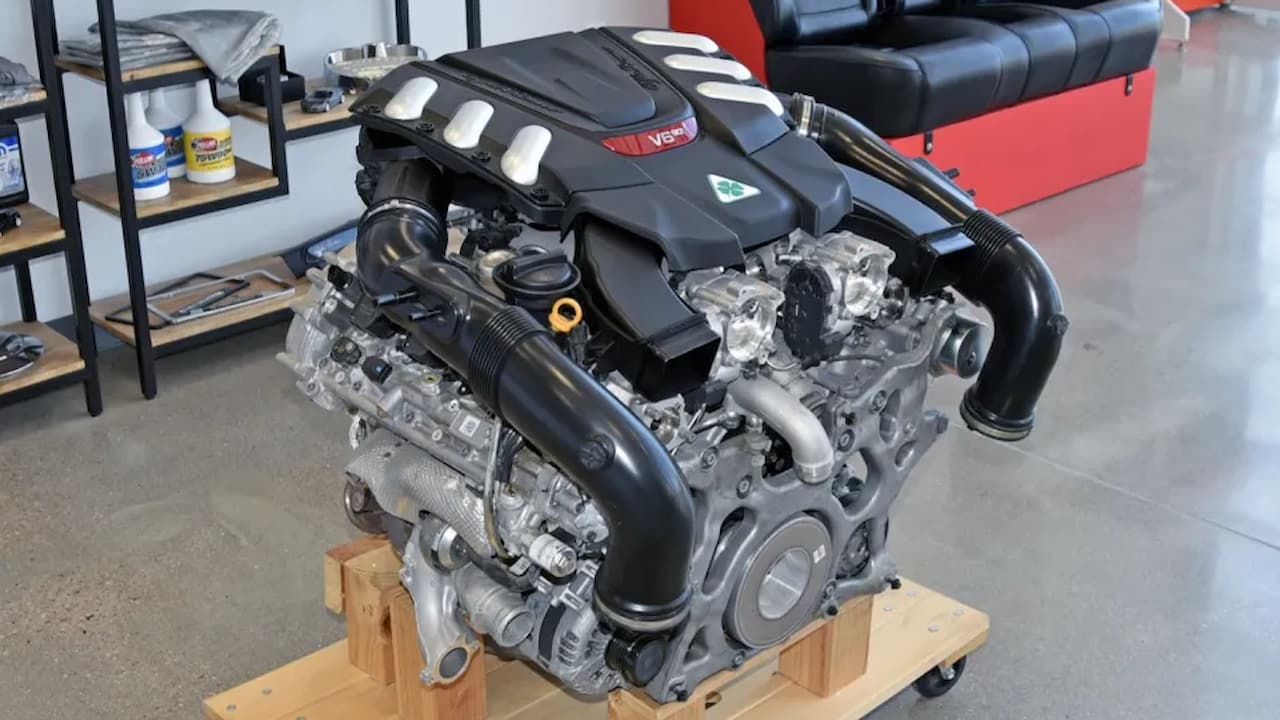
Alfa Romeo’s 2.9L V6 Bi-Turbo engine, found in the Giulia Quadrifoglio, is a perfect example of Italian engineering prowess. With 505 horsepower, it’s the most potent engine on this list.
This engine was developed in collaboration with Ferrari, so it comes with pedigree. It uses two turbochargers to deliver its impressive power, while a unique cylinder deactivation system improves efficiency when cruising. This engine shows that turbocharged engines can provide exhilarating performance.
Volvo T8 Twin Engine
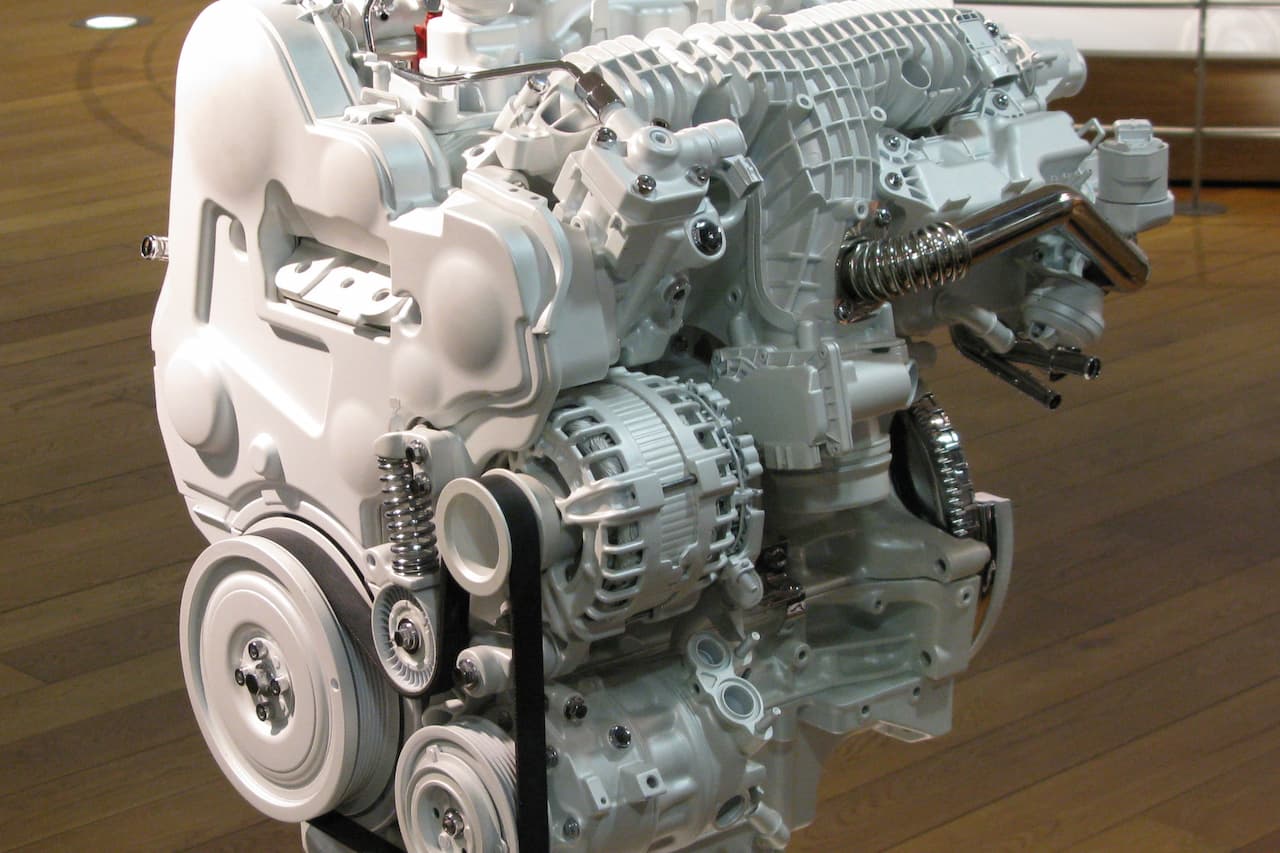
The T8 Twin Engine from Volvo is a 2.0L four-cylinder engine that combines turbocharging and supercharging with a plug-in hybrid system. It’s found in the Volvo XC90, S90, and V90.
This engine delivers up to 400 horsepower and can achieve excellent fuel economy thanks to its hybrid technology. It’s a testament to how turbocharging can be used in conjunction with other technologies to create a balanced, efficient, and powerful powertrain.
Chevrolet 2.0L Turbo
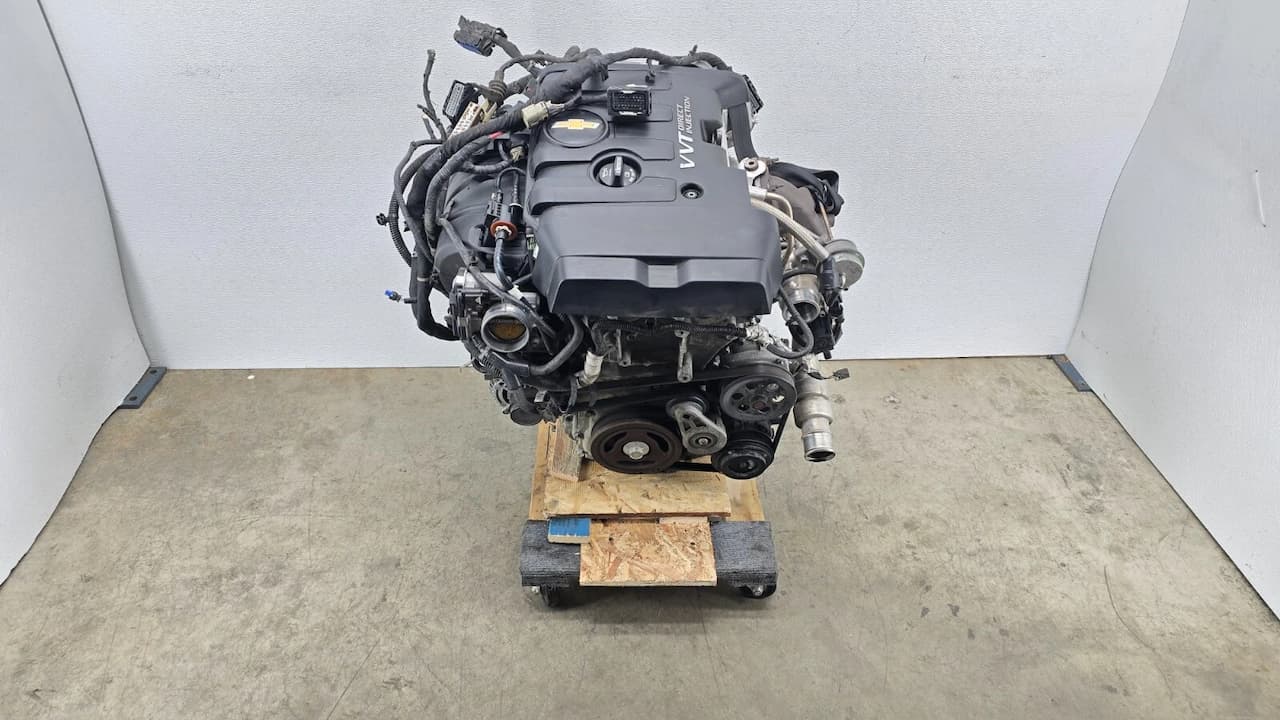
Chevrolet’s 2.0L Turbo engine is a versatile powerplant found in several models, including the Camaro and Malibu. Despite its relatively small displacement, this engine can produce up to 275 horsepower.
With direct injection and variable valve timing, this engine can deliver power and torque across a wide rev range. It’s an excellent example of how turbocharged engines can provide the power of larger, naturally aspirated engines while being more efficient.
Volkswagen 2.0 TSI
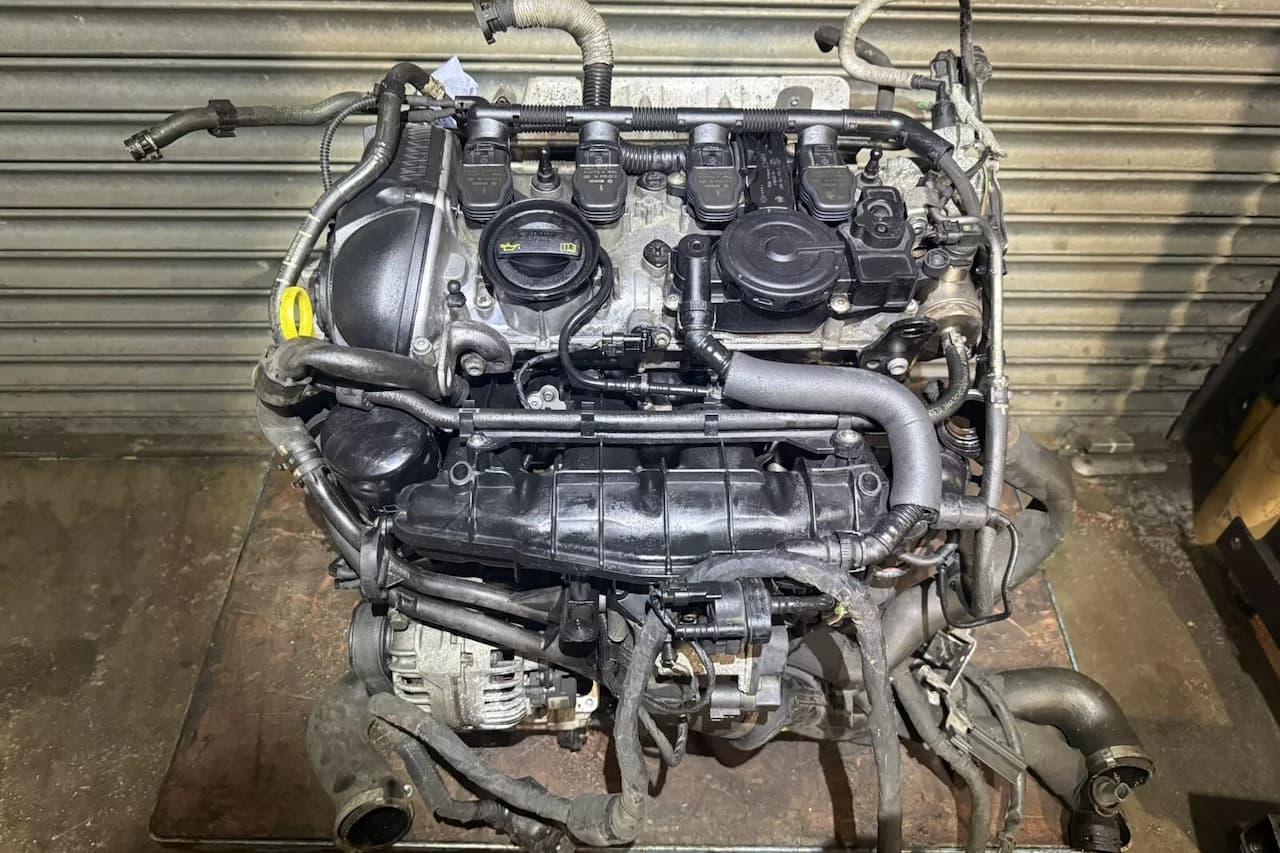
Volkswagen’s 2.0 TSI is a 2.0L four-cylinder turbocharged engine found in many VW models, including the Golf GTI and Jetta GLI. Known for its reliability and performance, this engine can produce up to 228 horsepower.
This engine features a unique combination of direct and port fuel injection, which improves performance and efficiency. It shows that turbocharging can enhance everyday driving by providing a perfect balance of power and economy.
Subaru EJ20

Subaru’s EJ20 is a 2.0L four-cylinder turbocharged engine found in the Impreza WRX STI. This engine is known for its robustness and performance, producing up to 300 horsepower.
This engine features Subaru’s unique boxer layout, which provides a low center of gravity and improved handling. It’s a great example of how turbocharging can enhance the driving dynamics of a vehicle.
Renault 1.6L Energy TCe
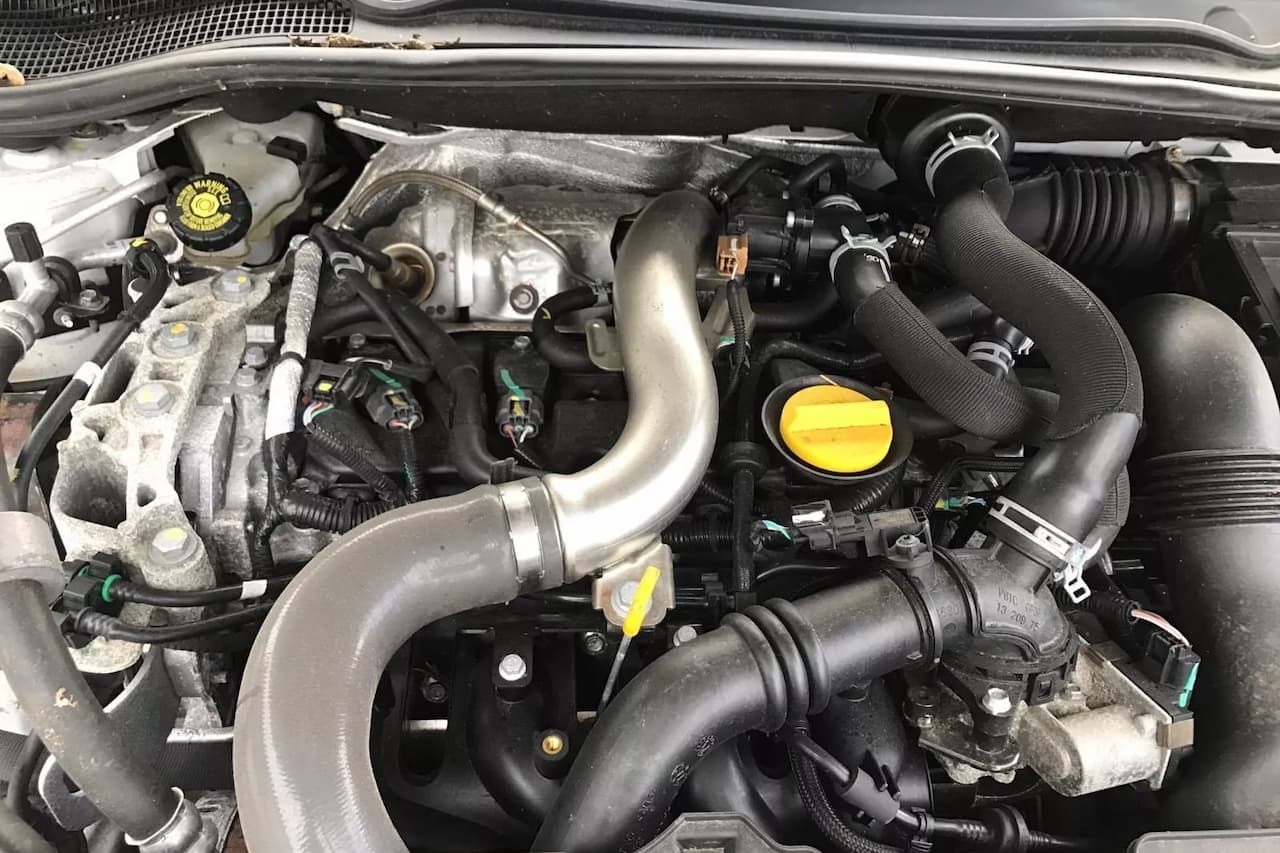
Renault’s 1.6L Energy TCe is a turbocharged four-cylinder engine found in models like the Clio RS. Despite its small size, this engine can produce up to 197 horsepower.
This engine features direct injection and an EGR system, which improves efficiency and reduces emissions. It’s an excellent example of how turbocharging can provide significant power from a small displacement while being environmentally friendly.
McLaren M840T
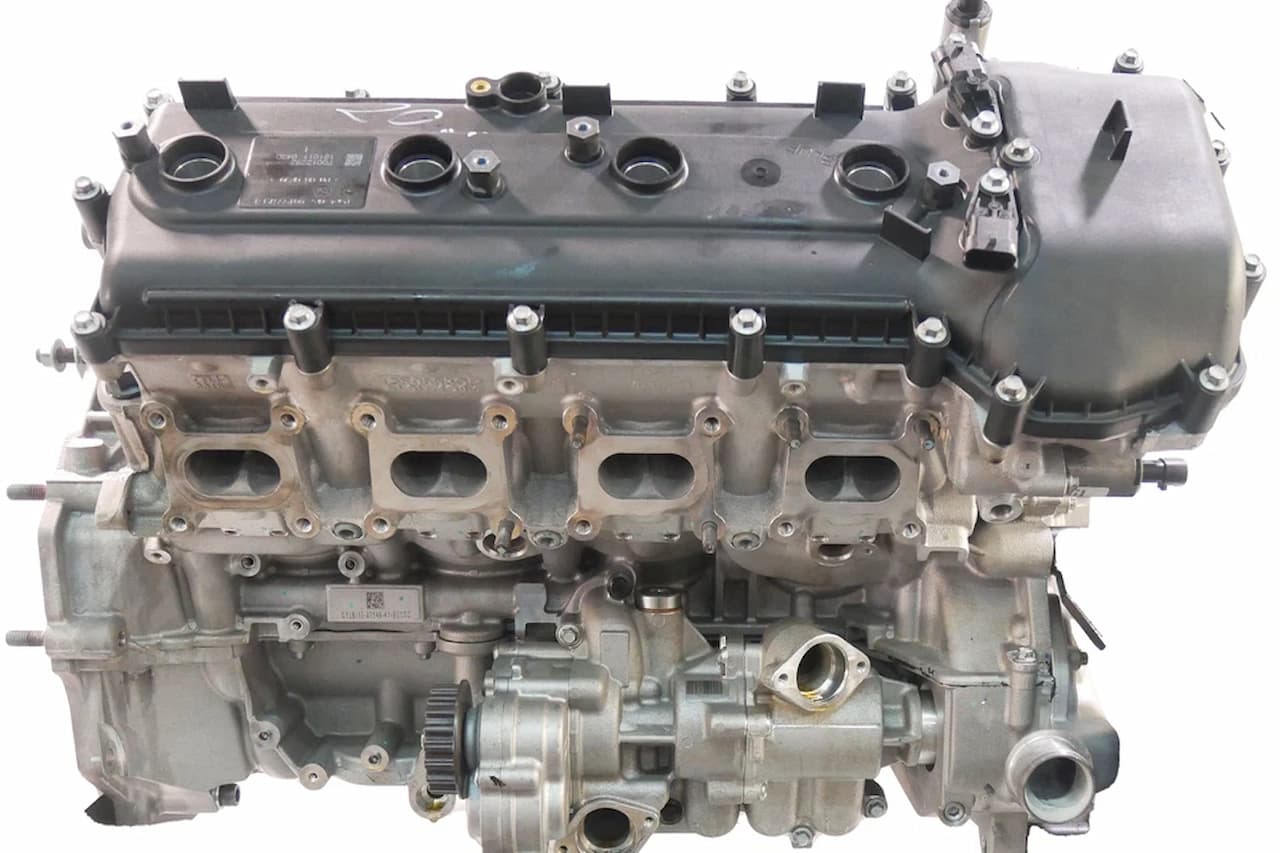
The M840T from McLaren is a 4.0L twin-turbocharged V8 found in models like the 720S. This powerplant delivers an astonishing 710 horsepower and 568 lb-ft of torque.
This engine features an aluminum block and cylinder heads, which reduce weight and improve performance. It’s a testament to how turbocharging can provide supercar-level performance.
Fiat 1.4L MultiAir Turbo
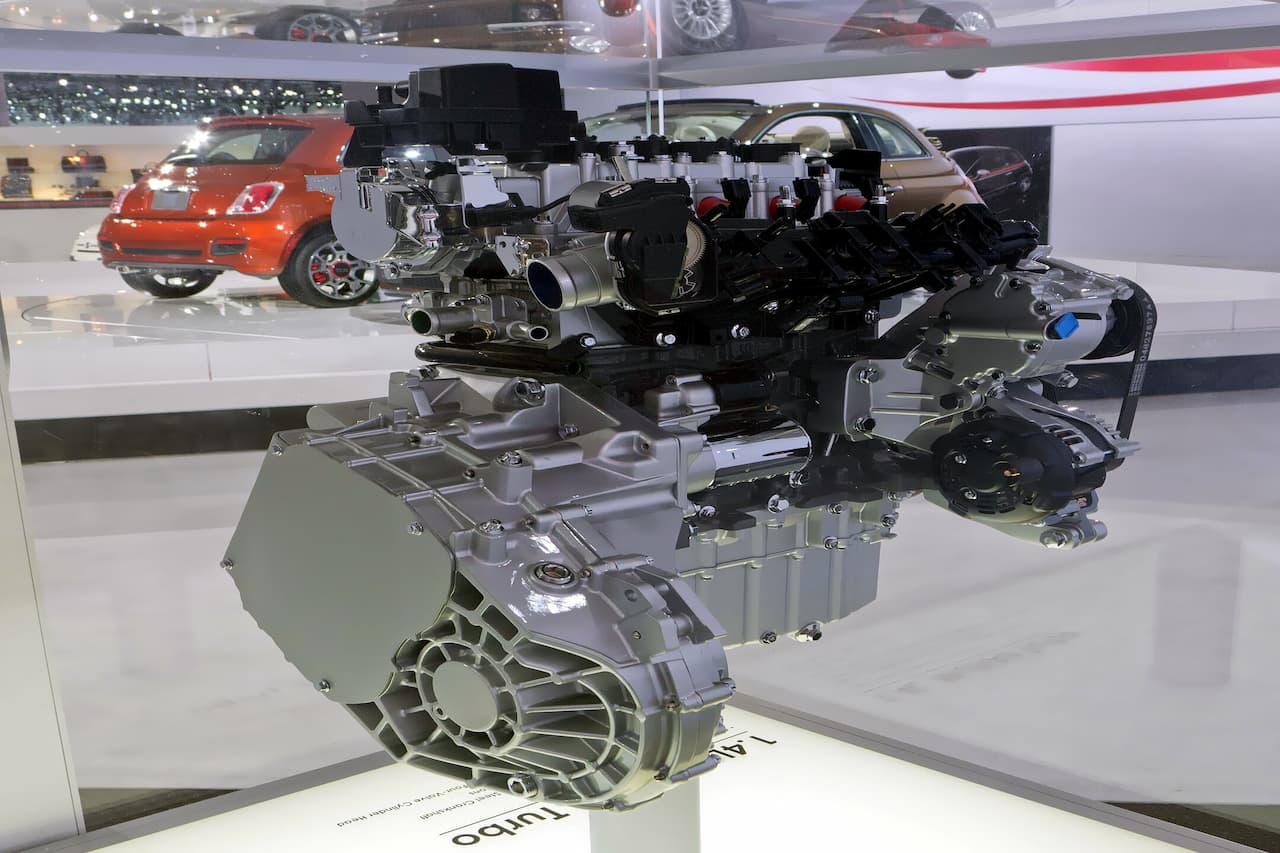
Fiat’s 1.4L MultiAir Turbo engine is found in models like the 500 Abarth. Despite its small size, this engine can produce up to 160 horsepower.
This engine features Fiat’s unique MultiAir technology, which improves performance and efficiency. It’s a great example of how turbocharging can make small engines punch well above their weight.
Hyundai 1.6L Gamma GDI
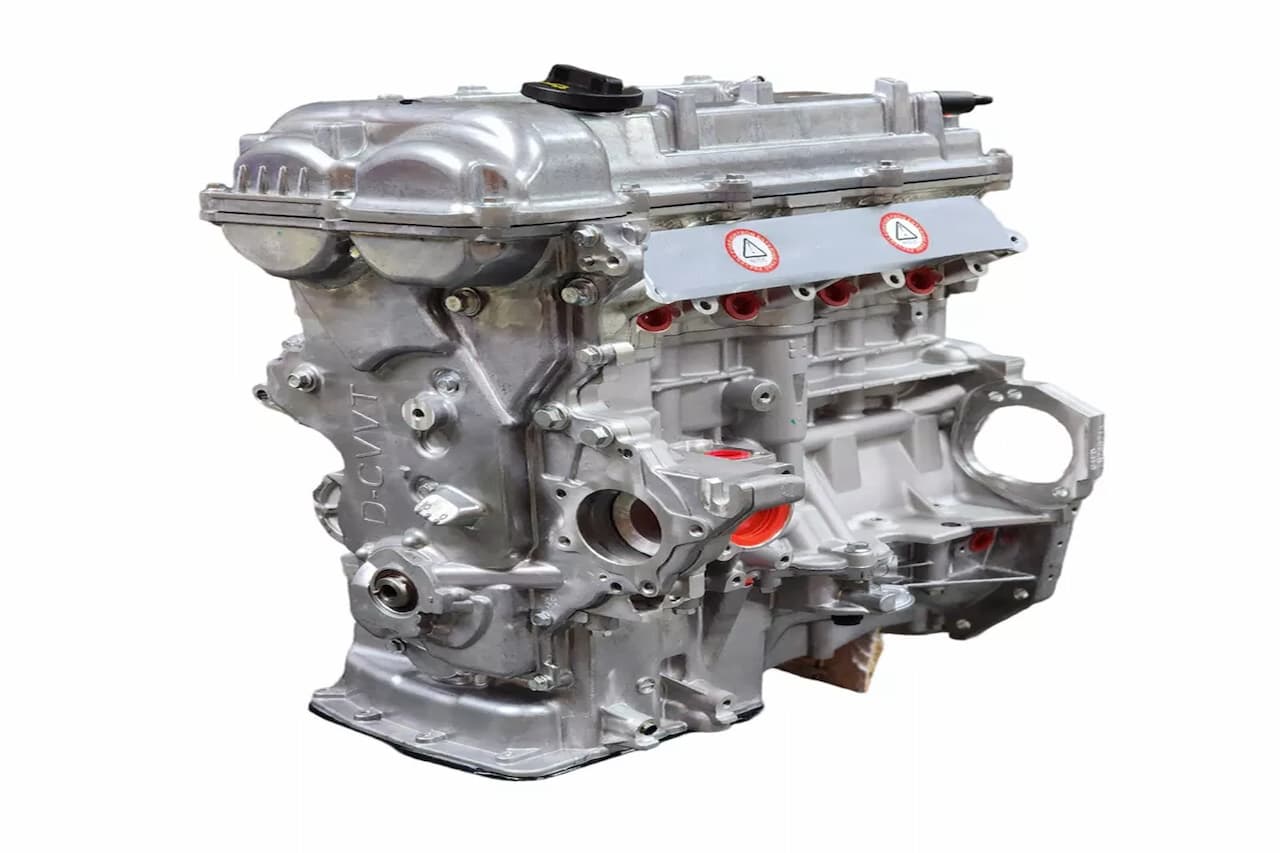
Hyundai’s 1.6L Gamma GDI is a turbocharged four-cylinder engine found in models like the Veloster Turbo. This engine can produce up to 201 horsepower.
This engine features direct injection and an intercooled turbocharger, which improves performance and efficiency. It’s an excellent example of how turbocharging can provide substantial power from a small displacement while being efficient.