

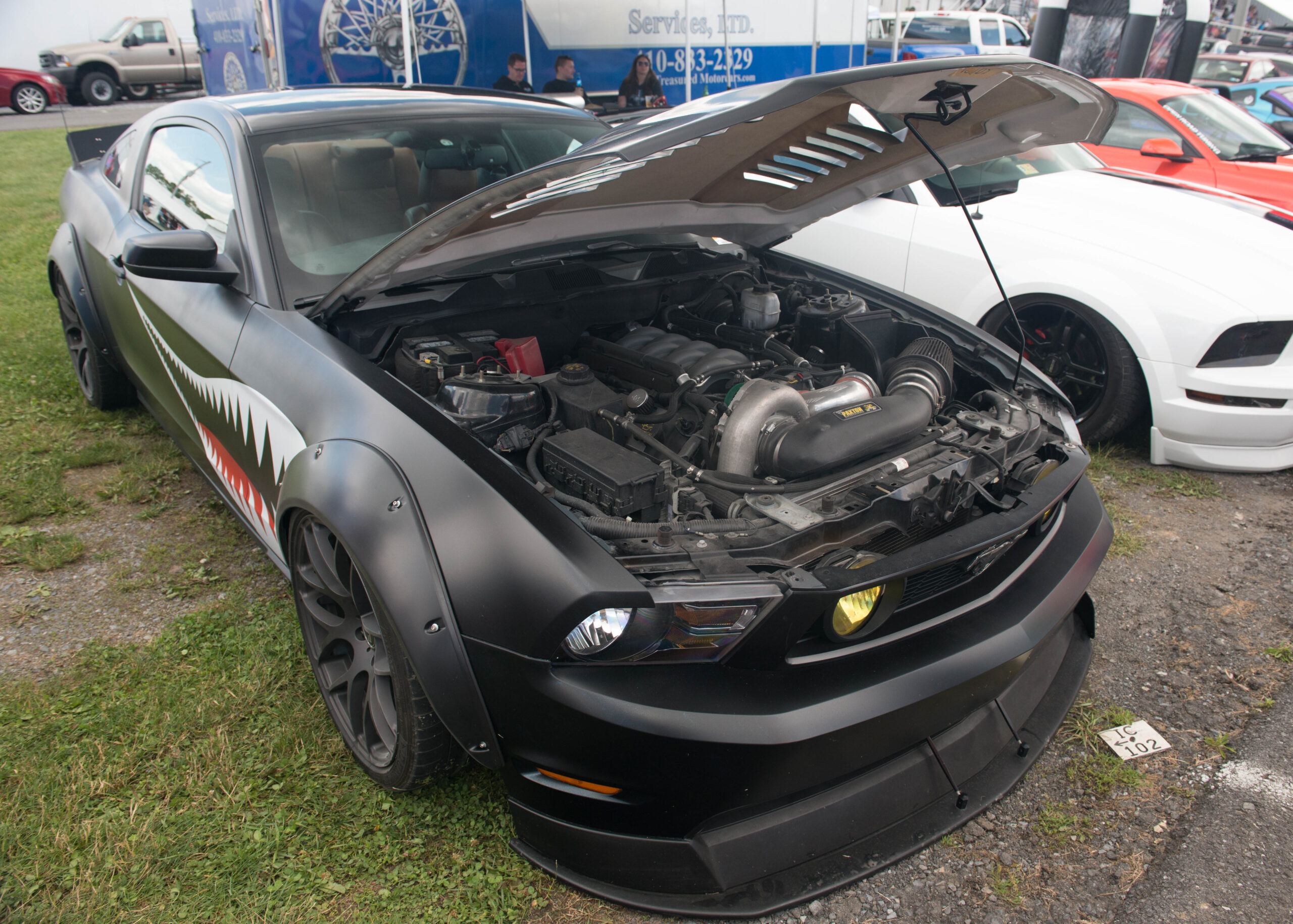
Turbo talk tends to get loud fast, but the real question most drivers care about is simple: does a twin setup actually feel better on the road than a single, and when is it worth the extra money and complexity. Underneath the hype, both layouts are just different ways of doing the same job, squeezing more air into the engine so it can burn more fuel and make more power. The trick is understanding how each one delivers that punch, and which matches the way someone actually drives.
At its core, a turbocharger is just a smart way to recycle energy the engine would normally waste out the tailpipes. Whether it is a single big snail or a pair of smaller ones, the basic physics do not change, but the character of the car absolutely does. That is why the same debate keeps popping up from Mustang forums to BMW builds and everyday commuter buyers trying to decode spec sheets.
How the hardware really works
Every setup starts with the same idea: exhaust gas spins a turbine, which is connected by a shaft to a compressor that rams extra air into the cylinders. Guides that explain How Does a Turbo Work describe how modern Turbochargers on something like a late-model Mustang use that exhaust flow to spin the turbine and compress incoming air, effectively turning waste energy into boost. A single turbo setup routes all the exhaust through one turbine, which keeps the plumbing simple and can deliver a big hit of power once it is on song, especially when the turbo is sized for strong top-end pull.
Twin systems split that job between two units, but the way they are arranged matters. In a parallel layout, often used on V engines, each bank feeds its own turbo so the pair can share the workload and improve response, a pattern that shows up in explanations of Types And Uses setups. Other designs go sequential, with a small turbo for low rpm and a larger one for higher revs, or even more complex arrangements that try to blend the best of both. As one overview of What twin systems can do puts it, the concept is simple in theory but branches into several distinct flavors once engineers start chasing response, packaging, and emissions targets.
Power delivery, lag, and real-world tradeoffs
On paper, two smaller Turbos should spool faster than one big one, which is why enthusiasts often point out that Smaller units can cut lag and make a car feel more eager off the line. That is the appeal of many factory twin-turbo engines that use two modestly sized compressors to build boost early and keep it steady across the rev range. Some manufacturers even lean on twin setups to improve efficiency, forcing more air into each cylinder so the engine can extract more work from every combustion stroke, a benefit highlighted in explanations of Turbo Engines that focus on how a more powerful single combustion stroke can reduce waste.
Single turbos, by contrast, are often about big, clean numbers and simpler packaging. On the BMW M3 G80 and G82, for example, some owners have ditched the stock twin setup for a single larger unit, chasing higher peak power and easier tuning. One builder posting under the name Gottagofast notes that a single turbo typically provides a more linear, predictable surge once it lights, especially on that platform, even if it sacrifices some low-rpm snap. That tradeoff lines up with broader tuning discussions that describe how calibrating turbocharged engines for the street is always a balance between minimizing lag and keeping the car drivable, a point echoed in conversations about Tuning high revving turbo engines that now spin to 9000 rpm and beyond.
When twin turbo actually makes sense
For a daily driver or family SUV, the case for two turbos is mostly about feel. Automakers that bolt twin systems into crossovers and sedans want the car to jump forward the moment the driver leans on the throttle, not wait for a big single to wake up. That is why explanations of how Twin-Turbo Engines behave emphasize that they use two compressors to deliver stronger acceleration when the driver steps on the gas, while also warning that this hardware is not for everyone. Guides aimed at shoppers spell out that buyers should think about how twin systems affect fuel use, maintenance, and everyday driving before committing, since extra plumbing and parts can mean more complexity over the long haul.
More from Wilder Media Group: