
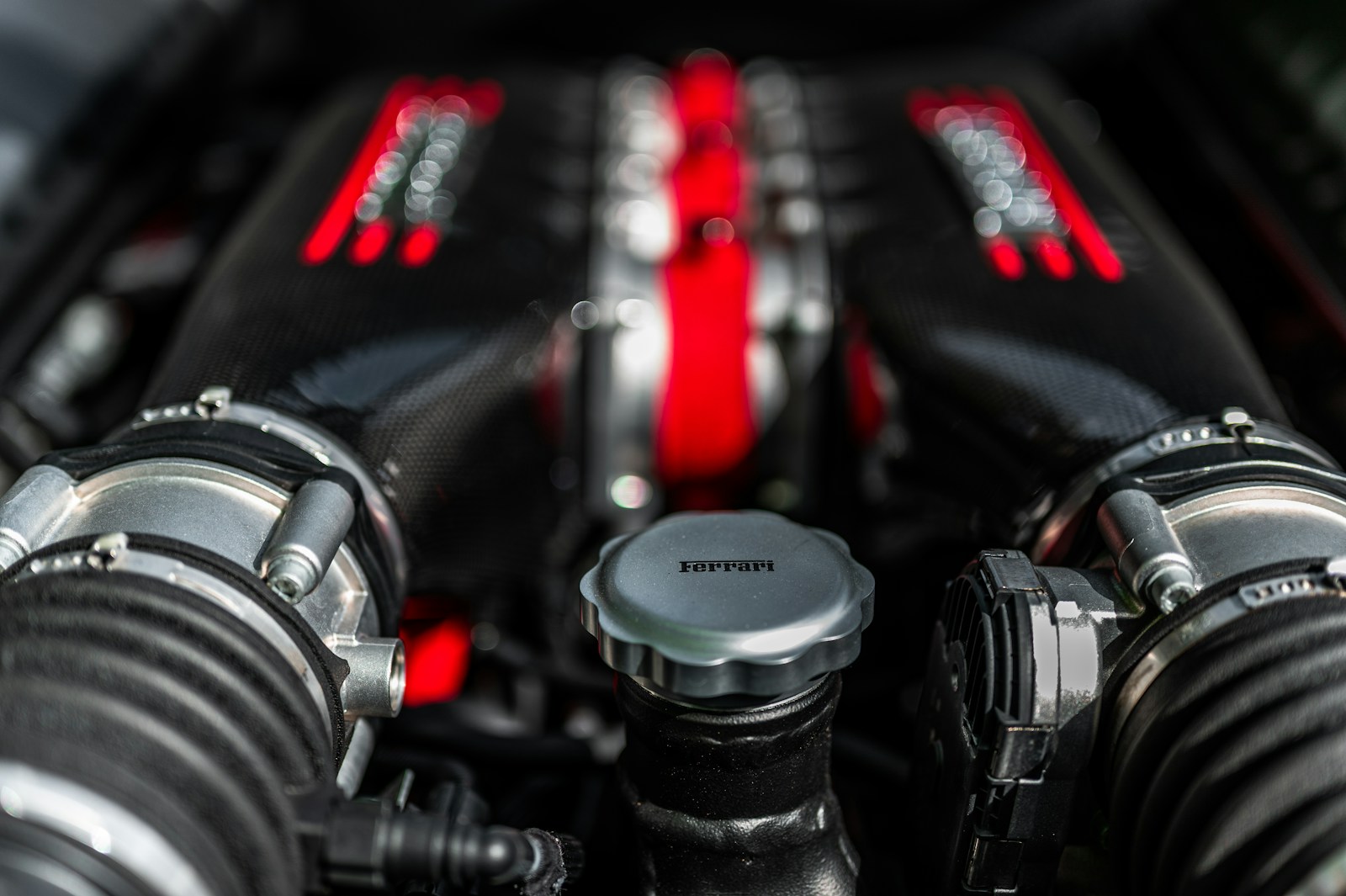

Automakers are leaning hard on twin turbos to squeeze more power from smaller engines, promising big performance without a brutal fuel bill. The reality is more nuanced, with real-world mileage hinging on how the system is tuned and how drivers use that extra thrust. Twin turbos can absolutely boost efficiency in some scenarios, but they can just as easily encourage habits that send consumption in the opposite direction.
From muscle sedans to supercars and family trucks, the latest generation of turbo hardware shows how complicated that tradeoff has become. The same technology that helps a downsized engine cruise efficiently can also feed massive horsepower and track-ready acceleration, and the gap between those two outcomes is where fuel economy gets tricky.
How Twin Turbos Actually Work
At its core, a turbocharger uses exhaust gas to spin a turbine that forces more air into the engine, allowing more fuel to burn and more power to be made from a given displacement. A twin setup simply adds a second turbocharger, but the layout can vary widely, from two identical units feeding separate cylinder banks to more complex arrangements that stage boost at different engine speeds. In either case, the goal is to increase airflow so the engine behaves like a much larger unit when the driver calls for power.
Specialist guides describe how this type of engine setup is often labeled as twin or even dual‑turbo, with both compressors working together to raise performance. A separate technical breakdown notes that the second difference between single and twin turbos is that twin turbos can offer better fuel economy, because the workload is shared and each turbo can be sized more efficiently for its operating range, rather than one larger unit being forced to cover everything on its own to the same extent.
Parallel vs Sequential: Layout Shapes Both Power and MPG
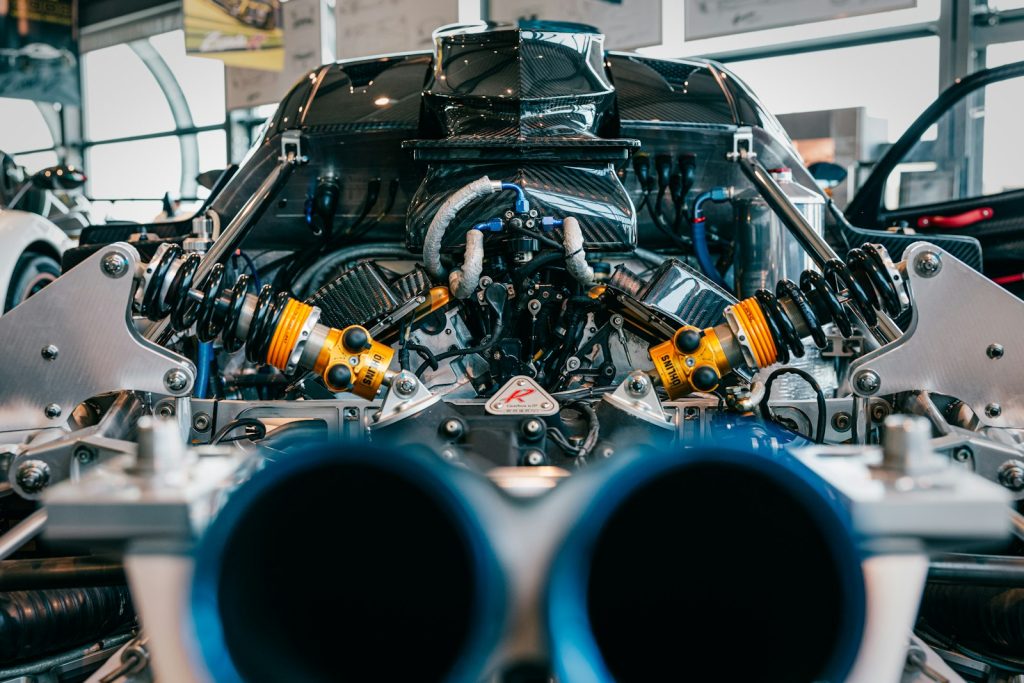
Not all twin turbo systems behave the same way, and the plumbing has a direct impact on both drivability and fuel use. In a parallel layout, two identical turbos share the workload, often with each one feeding its own bank of cylinders, which can deliver strong top-end power but may rely on higher boost to hit peak numbers. A sequential or staged system, by contrast, uses a smaller turbo at low revs and a larger one at higher speeds, aiming to smooth out lag and keep the engine operating in a more efficient zone more of the time.
Reporting on real-world applications points to a parallel twin turbo setup, as seen in the GT‑R, where two turbochargers operate as one large unit to deliver serious performance while still allowing the engine to be relatively compact and efficient when off boost in a parallel twin‑turbo setup. Other systems lean on sequential control strategies that can open wastegates or bypass valves to let a small turbo spin quickly at low load, then hand off to a larger unit as revs climb, which can reduce exhaust back pressure and improve both response and efficiency when tuned carefully.
Why The MPG Answer Is “It Depends”
When drivers ask whether twin turbos help or hurt gas mileage, the honest answer is that it depends heavily on how the car is driven and how the engine is calibrated. Under light throttle, a turbocharged engine can behave like a smaller naturally aspirated unit, sipping fuel while cruising or commuting. Once the driver leans into the accelerator and the turbos build boost, however, the engine effectively grows in size, burning more fuel to match the extra air and deliver the kind of acceleration that sells performance cars.
Technical explainers spell this out bluntly, noting that the quick and short answer is that twin turbos can improve fuel economy if the driver stays out of boost, but they will hurt it if the driver is constantly using the extra power and messing around with engine displacement. Dealer-level guidance echoes that many twin turbo systems increase power and torque significantly as the driver presses the accelerator, which is exactly when fuel consumption spikes, while still allowing relatively modest thirst during steady-state cruising when boost is low or absent as you press the accelerator.
Real-World Performance: Dodge Charger’s Twin‑Turbo SIXPACK
Modern muscle cars show how automakers are using twin turbos to replace big-displacement engines without abandoning headline performance. The latest Dodge Charger Scat Pack trades the traditional V8 for a 3.0‑liter twin‑turbo inline‑six, branded as the SIXPACK, that is designed to deliver both low‑inertia response and high output from a relatively compact package. The strategy is to keep the character and straight‑line speed that buyers expect while opening the door to better efficiency when the car is not being driven flat out.
Official specifications invite drivers to tap into gas‑powered performance, with The Charger Scat Pack using a 3.0L Twin‑Turbo SIXPACK engine that combines low‑inertia turbos, high‑flow cylinder heads and a robust bottom end to deliver strong acceleration, including a quoted 12.2 quarter‑mile (sec) capability in factory form Tap into gas‑powered performance. A related breakdown of the i6 platform notes that the STANDARD OUTPUT SIXPACK, available on Charger R/T models, is set to deliver 420 horsepower and 468 pound‑feet of torque, illustrating how much twist a modern twin‑turbo six can generate while still promising more manageable fuel use than an old‑school big‑block The Standard Output SIXPACK.
Supercar Territory: Corvette ZR1 And Extreme Twin‑Turbo Power
At the other end of the spectrum, twin turbos are being used to push already potent sports cars into supercar and even hypercar territory, where fuel economy is a secondary concern. Chevrolet’s latest Corvette ZR1 builds on the mid‑engine platform with a twin‑turbocharged V8 that transforms raw power into refined performance, pairing massive output with advanced aerodynamics and chassis tuning. The focus here is on track capability and top‑speed bragging rights, with any efficiency gains from downsizing largely overshadowed by the sheer volume of fuel required at full tilt.
Official materials describe how the ZR1 uses its forced‑induction hardware to help the car achieve its performance goals, with Corvette CMF Design Lead Emma Mikalauskas, Corvette CMF Design Lead, emphasizing how the package channels the driver’s creative personality. A broader look at the nameplate’s evolution highlights that the 8th Generation lineup now includes a 1,250 horsepower 2026 Corvette ZR1X, underscoring how far twin‑turbo technology has pushed the Chevrolet Corvette into realms once reserved for exotic brands, regardless of where the engine is located in the car 8th Generation Corvette.
Turbo Trucks And The Everyday MPG Tradeoff
Outside the performance niche, turbocharged engines have become a staple in full‑size pickups, where they are pitched as a way to deliver V8‑like power with better fuel economy. Many manufacturers now offer turbo V6 options that match or exceed the output of older naturally aspirated eights, while promising lower fuel consumption during unloaded highway driving. The logic is similar to that in passenger cars: a smaller engine can run more efficiently at light load, with the turbo stepping in only when towing, hauling or overtaking demands extra muscle.
Comparative testing of full‑size truck lineups reports that Turbo V6 pickups deliver better fuel economy than regular V8s, in part because turbocharged engines lose about half as much power at altitude and can be tuned to provide strong torque without needing a large displacement block Turbo V6 pickups. Broader efficiency analysis backs up the idea that turbocharging can yield modest but real gains, noting that compared with an older base engine in the same compact SUV, a newer turbocharged model can return about 2 more mpg, while similar strategies in big trucks show just as much improvement even when peak horsepower drops slightly from 325 hp to 310 hp Compared with the old base.
Twin Turbos vs Single Turbo: Complexity, Response And Efficiency
For engineers and tuners, the choice between a single turbo and a twin setup is not just about peak power, it is also about packaging, cost and how the engine behaves across the rev range. A single, larger turbo can be simpler and cheaper to install and maintain, which matters for fleets and high‑mileage vehicles, but it may suffer more from lag and less precise control at low engine speeds. Twin turbos, whether parallel or staged, can be tailored to deliver quicker response and a broader torque curve, at the expense of extra hardware and more complicated plumbing.
Industry comparisons point out that a single turbo system offers Reduced Complexity and Maintenance, since there is only one turbine, one compressor and fewer associated lines to service, which can make it a more cost‑effective option for large fleets that prioritize uptime over ultimate performance Reduced Complexity and Maintenance. On the other hand, detailed twin‑turbo setup guides describe how allowing a small turbo to wastegate in a compound system lowers exhaust drive pressure, again helping with power and efficiency, and note that when the system is working correctly the driver will feel a smoother, more linear surge of torque across the rev range By allowing the small turbo.
When Twin Turbos Really Save Fuel
The clearest efficiency gains from twin turbos appear when they are paired with downsized engines and driven gently, especially in highway or steady suburban use. In those conditions, the engine can operate at relatively low boost, taking advantage of reduced pumping losses and higher thermal efficiency without constantly dumping extra fuel into the cylinders. For drivers who mostly cruise and only occasionally need a burst of acceleration, a twin‑turbo four or six can deliver the same real‑world performance as a larger naturally aspirated engine while using less fuel over a tank.
Technical explainers on twin turbo systems emphasize that many such setups are designed to increase power and torque only as the driver demands it, which means that at partial throttle they can behave like smaller, more economical engines and then ramp up output as the accelerator is pressed harder Many twin‑turbo systems. Broader analysis of turbocharged powertrains notes that while the headline mpg gains are sometimes modest, such as a 2 mpg improvement in a compact SUV, the combination of smaller displacement, forced induction and multi‑speed transmissions can still deliver meaningful reductions in fuel use over the life of the vehicle when drivers resist the temptation to exploit full boost on every on‑ramp the turbocharged model.
The Emotional Side: Sound, Feel And Why Drivers Still Want More
Beyond spreadsheets and fuel receipts, twin turbos also change how cars feel and sound, which can influence how owners drive them and, by extension, what kind of mileage they see. A well‑tuned system can deliver a strong mid‑range surge that makes overtaking effortless and can make a heavy sedan or wagon feel lighter on its feet. That sensation often encourages drivers to dip into the throttle more often, trading away some of the theoretical efficiency benefits in exchange for a more engaging experience behind the wheel.
Premium performance models lean into that emotional appeal, as seen in the RS 6 Avant performance, which pairs its powertrain with an RS sport exhaust and twin oval tailpipes, and offers an Optional RS sport exhaust system that produces a roar that is unmistakably Audi when the driver pushes harder The RS 6 Avant. Even in more mainstream performance cars, such as the latest Charger, official materials highlight how drivers can tap into gas‑powered performance from the twin‑turbo SIXPACK engine, reinforcing that the technology is as much about emotion and identity as it is about efficiency 2026 Charger performance.
Why The “Twin Turbo = Efficient” Myth Persists
The persistence of the idea that twin turbos automatically improve fuel economy reflects how automakers market downsized engines and how enthusiasts talk about technology. On paper, a smaller displacement engine with forced induction can indeed match the power of a larger unit while using less fuel in standardized test cycles, especially when paired with tall gearing and multi‑speed transmissions. In practice, the gap between lab numbers and real‑world driving can be wide, particularly when owners are drawn to the effortless acceleration that modern turbo systems provide.
Technical guides that celebrate twin turbos as a great way to get more power for a car, and that highlight their potential for better fuel economy compared with single turbos, help reinforce the perception that adding a second compressor is a straightforward upgrade rather than a nuanced engineering choice What Does Twin Turbo Mean. At the same time, detailed mileage discussions stress that the real determinant is how often drivers use the extra power, with analysts like Jan and Put pointing out that twin turbos can either help or hurt gas mileage depending on whether owners treat the added boost as a reserve for occasional use or as an invitation to explore the upper reaches of the tachometer on every drive Do twin turbos help or hurt.
More from Wilder Media Group: