
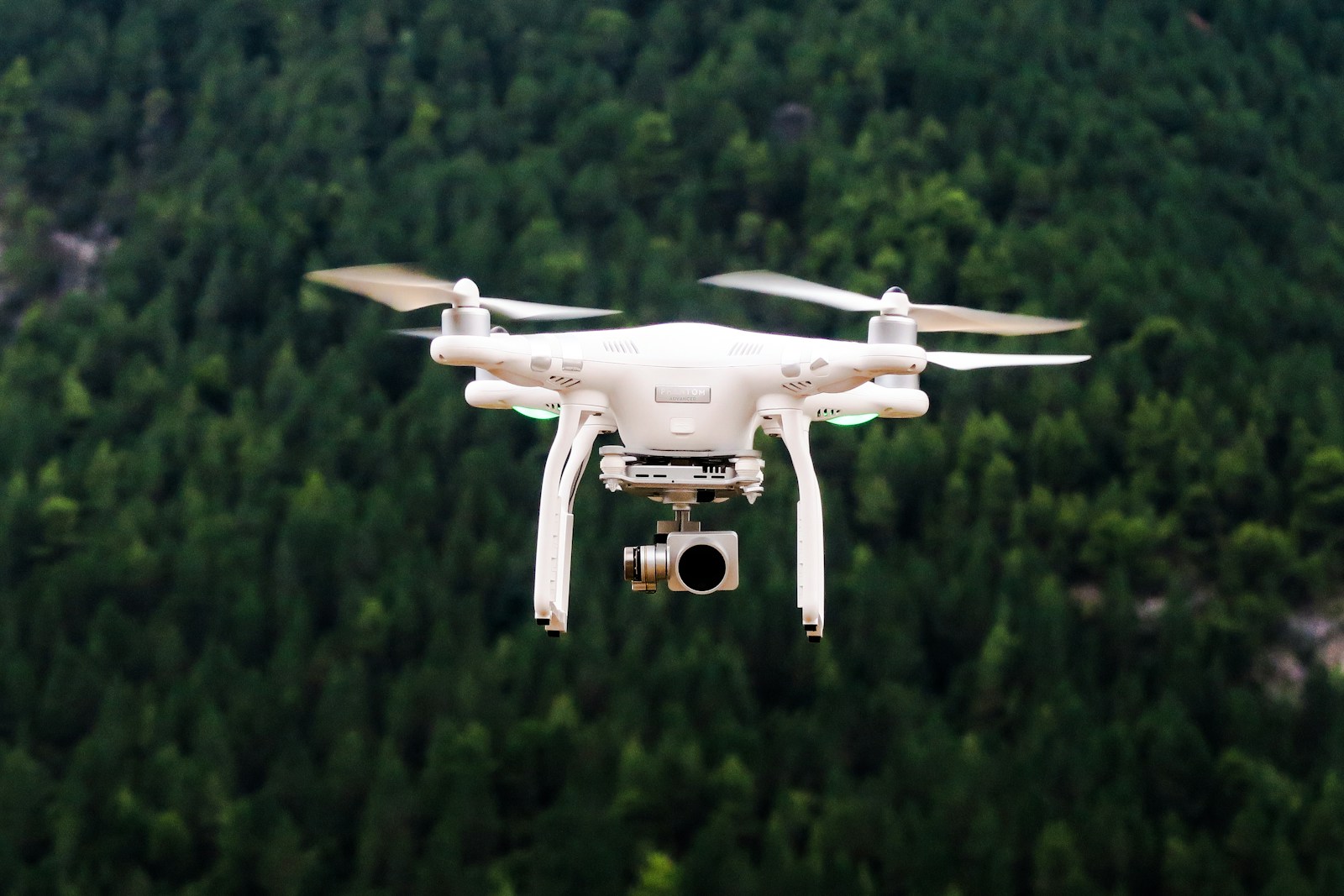

New rules for recreational and professional drones took effect in the UK at the start of 2026, and camera owners are now facing a very different pre‑flight checklist. The changes tighten registration thresholds, introduce a full class mark system and make digital identification in the sky a core requirement for many popular models. Anyone flying a drone with a camera, from casual hobbyists to commercial operators, now needs to understand how weight, class and location interact before take‑off.
For photographers and videographers, the stakes are simple: get the paperwork and settings right, or risk fines and even criminal offences for flights that would have been legal last year. The new framework is designed to make it easier for authorities and bystanders to know who is responsible for a drone, while still leaving room for lightweight models and toys to operate with fewer hurdles.
The big picture: why UK drone rules shifted in 2026
The 2026 overhaul is the most significant reset of UK drone regulation since small unmanned aircraft became mainstream, and it is aimed at bringing order to a fast‑growing mix of toys, camera drones and industrial platforms. Regulators have moved from a simple weight‑based split to a layered system that ties together class marks, registration, theory tests and live identification signals. Industry voices have described it as a major shift for the drone community, noting that there has been “a lot of noise out there” and that it is time to have a more structured conversation about how drones share airspace with crewed aircraft and people on the ground.
Officials and commentators frame the new rules as a balance between access and accountability, with clearer expectations for everyone from first‑time buyers to established aerial photographers. A detailed video guide to the 2026 UK drone rules stresses that the changes are meant to reduce confusion by standardising categories and responsibilities, rather than to shut down hobby flying. That context matters for camera owners, because the same framework that tightens some thresholds also creates more predictable pathways for legal flights in parks, over property and near built‑up areas.
Class marks explained: UK0 to UK6 and what they mean for cameras
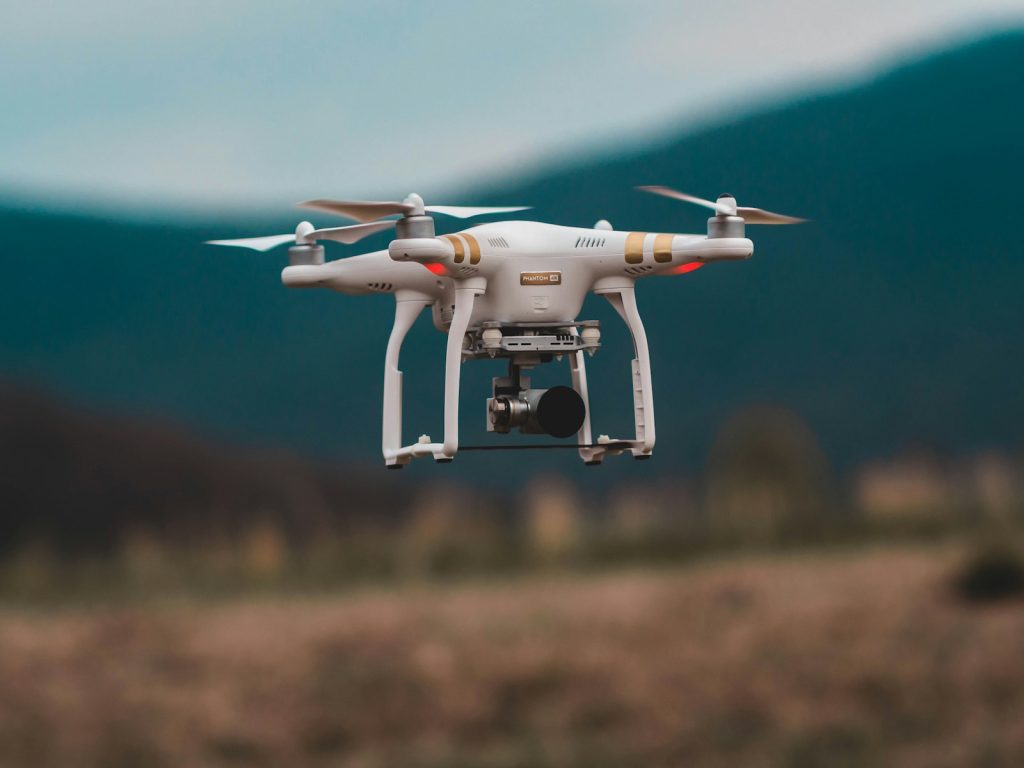
At the heart of the new regime is a formal class mark system that labels drones from UK0 to UK6, with each class tied to specific design standards and operating limits. A dedicated explainer on The UK Class Mark System Explained sets out that UK0 covers drones under 250g, which typically Qualifies for A1 operations with minimal restrictions, while UK1, UK2 and UK3 step up through heavier aircraft up to under 25kg. UK4, UK5 and UK6 then capture more specialised or higher‑risk platforms. For camera users, this means that a compact sub‑250g model with a 4K sensor can sit in UK0, while a larger folding quadcopter with obstacle avoidance and a bigger battery may fall into UK1 or UK2.
Class marks are not just labels on the box, they determine how close a drone can fly to people, what kind of registration is needed and whether extra authorisations are required. Official guidance on Class marks explains that while legacy drone or model aircraft models can continue to be sold, any new models placed on the market must carry the correct marking so pilots can understand how the drone can be flown legally. For photographers choosing between, for example, a UK0 travel drone and a heavier UK2 platform with better low‑light performance, the class mark now directly shapes where and how that camera can be used.
Remote ID: the new “digital number plate” in the sky
The most visible change for many pilots is the arrival of Remote ID, described by regulators and commentators as a digital number plate or digital license plate for drones. From 2026, all UK class‑marked drones in categories UK1, UK2, UK3, UK5 and UK6 must broadcast their Operator’s Remote ID signal while flying, so that enforcement teams and other airspace users can see who is responsible for a particular aircraft. Detailed guidance on the 2026 rules changes explains that this broadcast ties back to the registered Operator, and that pilots need to understand these responsibilities before take‑off.
For camera owners, Remote ID is not optional on most class‑marked drones and will increasingly be built into firmware and companion apps. A detailed breakdown of Remote ID describes it as digital identification in the sky that lets authorities quickly identify a drone that is in the wrong place or acting unsafely. Another explainer on Remote ID calls it a “digital number plate” and notes that from 1st January 2026 any UK‑class drone in UK1, UK2, UK3, UK5 or UK6 must have this feature enabled. Camera pilots who disable or tamper with these broadcasts risk moving from a simple rules breach into territory that enforcement bodies treat as a serious offence.
Registration, Flyer ID and Operator ID: who needs what now
The registration system has been tightened so that more camera drones fall into the formal database of pilots and operators. Official guidance on What you need to do explains that You must take a theory test and register with the CAA before flying most drones or model aircraft, and that aircraft from 250g to less than 25kg require an Operator ID. A separate summary of the new thresholds notes that registration has been pulled down to capture more of the popular camera segment, rather than only the heaviest models.
The distinction between the person responsible for the drone and the person at the controls is now central. Detailed rules on getting an Operator ID state that the person or organisation that is responsible for a drone or model aircraft that requires an Operator ID must register, and that if someone else is flying for them, they must tell that pilot the Operator ID and make sure they understand the rules. A separate summary of the new framework highlights that a Flyer ID is now required from 1st January 2026 to fly any drone with a mass of more than 100g, which pulls many compact camera drones into the theory test requirement.
The 100g and 250g thresholds: why tiny drones are not exempt
One of the most consequential tweaks for hobbyists is the new focus on drones at or above 100g, especially when they carry a camera. Reporting on the rollout explains that from 1 January those intending to fly drones or model aircraft weighing 100g or more outside must complete a Civil Av theory test, bringing a large slice of entry‑level camera drones into the formal training system. Coverage of the change notes that this is partly a case of resources, with regulators wanting to prioritise enforcement on aircraft that can cause more harm while still capturing the fast‑growing segment of small but capable camera platforms.
The new rules have also been discussed extensively in community forums, where pilots highlight that the 100g line is now a hard boundary for outdoor camera use. One widely shared post summarises the position bluntly: “If your drone is over 100 grams with camera, this is important,” before pointing readers to the new rules and regulations. At the same time, official registration guidance still highlights the 250g to less than 25kg band for Operator IDs, so a very small camera drone under 250g may still have lighter obligations on the owner even though the pilot needs a Flyer ID and theory test.
What changes for sub‑250g camera drones like Antigravity A1
For years, sub‑250g drones were treated as a relatively low‑risk category, but the 2026 framework narrows that gap, especially when a camera is involved. Analysis of What this means for drone hobbyists explains that if you are flying the Antigravity A1 or a similar sub‑250g drone, the CAA’s new landscape still expects you to pay attention to class marks and registration thresholds, even if the aircraft feels like a toy. The same report notes that there is a grace period built in for some legacy models, but that camera‑equipped drones are increasingly being pulled into the same safety culture as heavier aircraft.
Owners of compact 4K drones who relied on the old “under 250g” rule of thumb now need to check both the printed class mark and the take‑off weight with accessories. A broader summary of the new regime on The UK drone laws stresses that registration thresholds have been tightened to pull more camera drones into the formal registration system, and that the combination of a camera and a mass above 100g is now a key trigger. For Antigravity A1‑style models that sit just under 250g, that means a Flyer ID and theory test for the pilot, careful attention to where the drone is flown, and an eye on firmware updates that may enable Remote ID as manufacturers align with the UK class mark system.
Where you can fly in 2026: height limits, people and built‑up areas
Alongside paperwork and digital identification, the practical rules on where drones can fly have been clarified and, in some cases, tightened. A detailed guide on Where you can fly sets out key points, including that You need to stay below a specified height ceiling and respect separation distances from uninvolved people, with stricter limits for heavier classes. It also explains that an Operational Authorisation is required for some activities in the Specific Category, which covers higher‑risk flights such as operating closer to crowds or in complex urban environments.
For most camera owners, the practical takeaway is that a UK0 or light UK1 drone can still be flown in many public spaces, but only if the pilot keeps clear of uninvolved people and respects local restrictions. The same guidance notes that an Operational Authorisation in the Specific Category may be needed if a photographer wants to fly a heavier UK2 or UK3 aircraft in a dense city centre, or to carry out commercial work that involves flying over people. For creators used to informal flights over beaches, parks or events, the new framework makes it more important to plan locations, check local bylaws and consider whether a lighter class‑marked drone might offer more flexibility.
Enforcement, fines and why Remote ID will matter in practice
The new rules are backed by sharper enforcement tools, and camera owners who ignore them risk more than a warning. Coverage of the changes highlights that if a drone or model aircraft weighs between 250g and less than 25kg, the pilot will need to secure both a Flyer ID and Operator ID, and that if it falls under the UK1, UK2, UK3 or UK4 class, the owner will also need an Operator ID. A detailed report on potential penalties notes that if a drone does not have the correct marking or the pilot has not demonstrated their skills for safe flying, they could face fines for breaching the code. One summary of the shift stresses that this represents a move away from treating camera drones as casual gadgets, except where the aircraft is clearly a toy without a camera.
Remote ID is central to how these rules will be enforced on the ground. A detailed explainer on Show me your ID notes that failing to broadcast Remote ID when required will be a criminal offense, and that enforcement teams will be able to see both the drone’s identity and the registered Operator in real time. A separate warning to hobbyists explains that if a drone or model aircraft falls under UK1, UK2, UK3 or UK4, the pilot must get a Flyer ID and Operator ID and that ignoring these requirements could lead to significant penalties. For camera users, that makes compliance not just a matter of good citizenship but of legal self‑protection.
How to stay legal as a camera drone owner in 2026
For photographers and videographers who simply want to keep flying without drama, the path through the new rules can be broken into a few clear steps. First, identify the drone’s class mark and weight, using the label on the aircraft or packaging and cross‑checking with official guidance on What is a drone class marking, which explains that a drone class marking (also called a class identification label) ensures the drone meets specific standards and sets how it can be flown legally. Second, if the aircraft is over 100g or carries a camera, assume that a Flyer ID and theory test will be needed and check the Civil Av requirements for the relevant category.
Third, make sure registration details are up to date and that Remote ID is enabled where required, treating it as a standard pre‑flight check alongside battery levels and GPS lock. A detailed overview of How Will The 2026 Drone Regulation Changes Affect Flying In The UK notes that failing to comply with Remote ID requirements will be a criminal offence once the phased implementation is complete, so camera owners should not treat it as an optional extra. Finally, pilots should pay close attention to where they fly, using official maps and local bylaws to avoid restricted areas and keeping clear of uninvolved people. A warning to new users explains that in addition to completing a theory test, pilots must respect the updated code, with one report quoting concerns that enforcement will otherwise become “a case of resources” for overstretched teams, as highlighted in coverage by Civil Av.
What happens next: grace periods, education and community response
The rollout of the new framework is not a single switch but a phased process, with some grace periods for legacy drones and a strong emphasis on education. Analysis of Remote ID and class marks notes that while the legal framework is now in place, enforcement will ramp up as more drones on the market carry the correct labels and built‑in identification features. A separate overview of The UK rules stresses that education campaigns are being used to bring new pilots into the system, rather than relying solely on fines from day one.
Community reaction has been mixed, with some hobbyists frustrated at the extra steps and others welcoming clearer boundaries that could help protect access to popular flying spots. A warning piece framed as Promoted Stories underlines that drone users have been issued a warning after the 2026 law change, particularly around the need for a Flyer ID and Operator registration for UK1, UK2, UK3 or UK4 class aircraft. At the same time, official guidance on Dec Civil Av requirements emphasises that the theory test and registration are designed to be accessible, with online materials and clear explanations of the Drone Code. For camera owners, the message is that the law has moved on, but those who invest a little time in understanding class marks, Remote ID and registration can continue to capture aerial images legally and with greater confidence.
More from Wilder Media Group: