
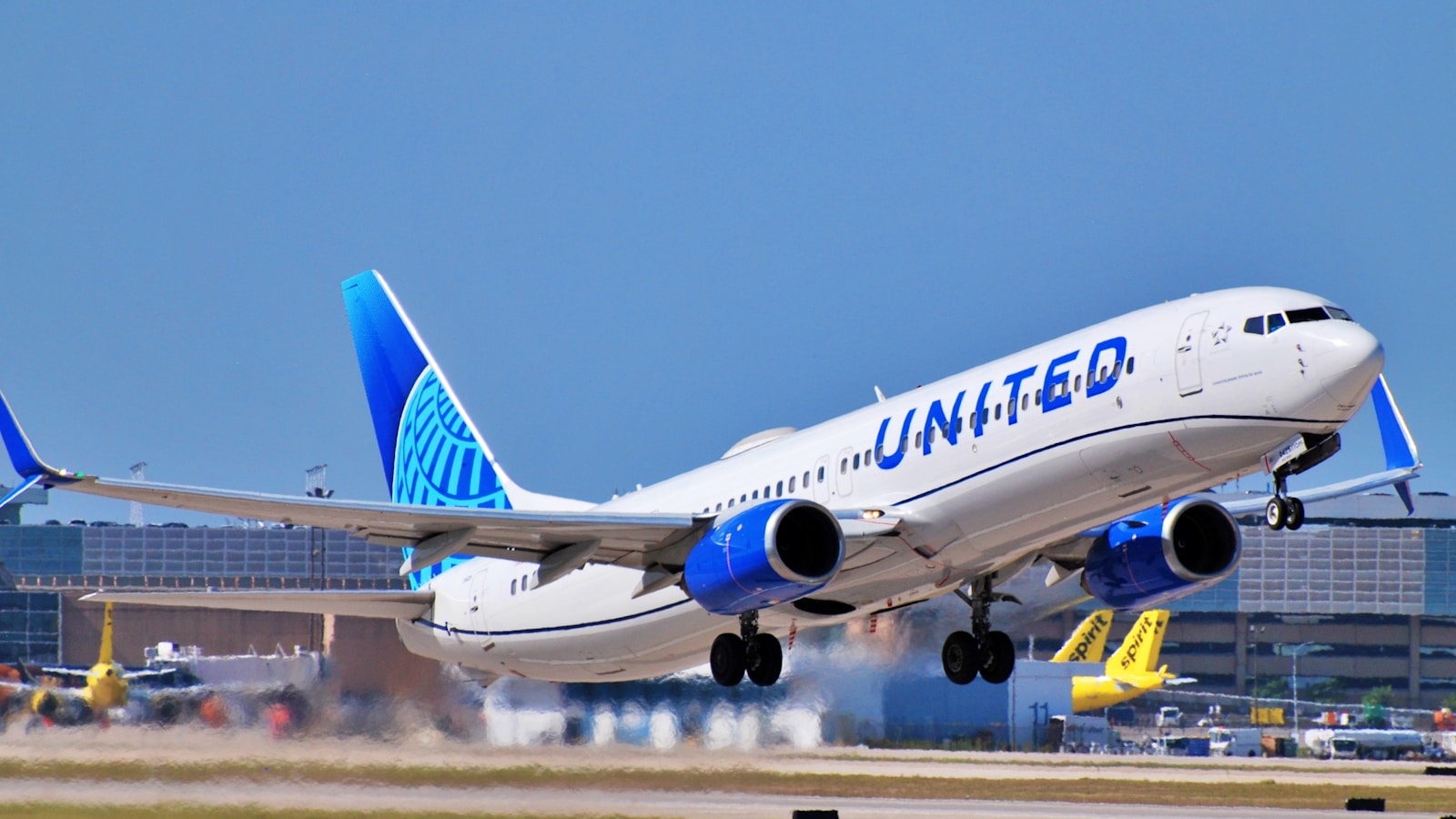

United Airlines has taken an unconventional step in addressing a common travel complaint by officially banning passengers who refuse to wear headphones while playing audio or video content on flights. The Chicago-based carrier updated its contract of carriage on February 27 to allow crew members to remove passengers from flights or even issue permanent bans for playing media without headphones. The change makes United the first major U.S. airline to formalize what has long been considered basic flight etiquette into an enforceable rule.
The policy emerged quietly but has sparked significant discussion among travelers who have dealt with fellow passengers blasting TikTok videos, music, or games during flights. United justified the timing of the change by pointing to the expansion of its Starlink Wi-Fi service, which has made in-flight streaming more accessible than ever before.
While some passengers have welcomed the stricter approach to cabin courtesy, others wonder how the airline will enforce the requirement and whether crew members will consistently apply the rule. The carrier has stated that complimentary earbuds will be available for travelers who forget their headphones, though availability may vary by flight.
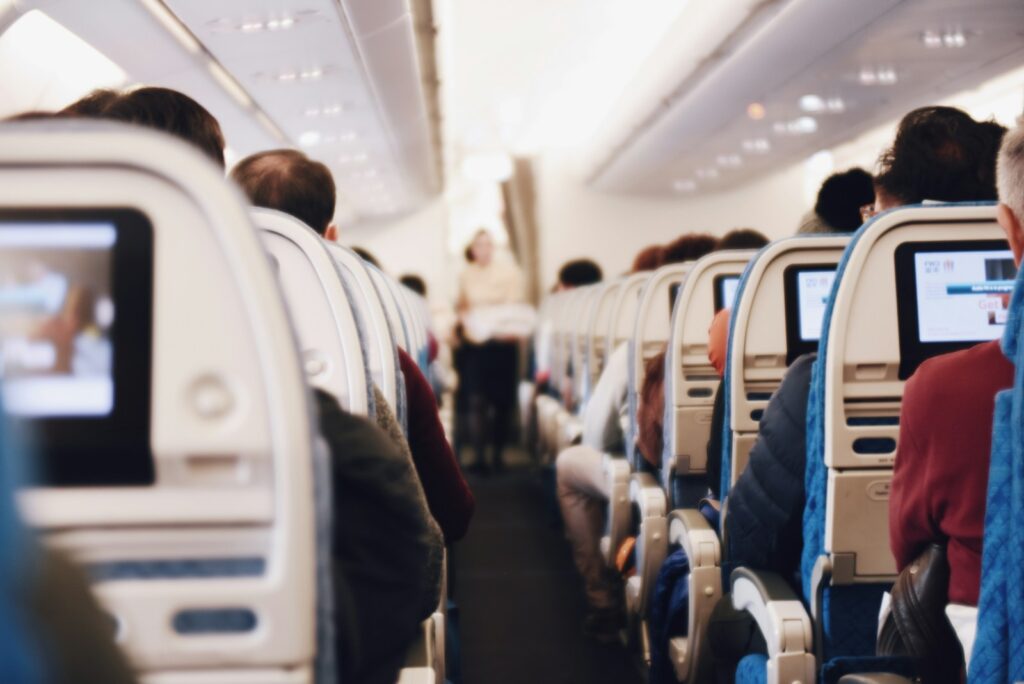
Details of United Airlines’ Headphone Requirement Rule
United Airlines implemented a binding headphone requirement on February 27, 2026, making it the first major U.S. carrier to formalize noise control as an enforceable travel condition. The policy gives crews explicit authority to deny boarding or remove passengers who play audio or video without headphones.
Updated Contract of Carriage and Refusal of Transport
United quietly updated its contract of carriage to include passengers who fail to use headphones while listening to audio or video content as grounds for refusal of transport. The change appeared in the airline’s legally binding terms that all passengers agree to when booking a ticket.
The addition sits within United’s “Refusal of Transport” section under Rule 21, which covers safety-related violations. This placement gives the headphone requirement the same weight as other serious conduct policies. The contract language now explicitly states that United reserves the right to refuse service to passengers who don’t wear headphones while consuming media on its planes.
What was previously considered common courtesy has become a contractual obligation. The policy applies to all audio and video playback on personal devices during flights.
How the Headphone Policy Is Enforced
Cabin crews now have clear authority to escalate beyond friendly reminders when passengers play audio through speakers. United’s updated rulebook gives flight attendants the ability to enforce the headphone requirement as a matter of contract compliance rather than courtesy.
The airline categorizes the violation as a safety issue, which allows crews to take immediate action. Passengers who refuse to comply after being asked can be denied boarding before departure or removed from the aircraft. The enforcement mechanism treats headphone violations similarly to other disruptive behaviors like smoking violations or making unauthorized voice calls during flight.
Consequences of Non-Compliance
Violations of the headphone rule carry serious potential penalties. United can refuse transport on a permanent basis to any passenger who breaks the headphone policy or other conduct rules.
Passengers who watch TikTok videos or blast music without headphones risk immediate removal from flights. The permanent ban option represents one of the toughest stances a major carrier has taken on in-flight etiquette issues. Beyond removal from a single flight, repeat offenders or those who refuse crew instructions could find themselves banned from all future United travel.
The airline includes the headphone requirement alongside other removable offenses like sexual or disruptive conduct, wearing offensive clothing, and breaking no-smoking policies.
Availability of Complimentary Earbuds
Passengers who arrive at their flight without headphones have an option. United offers free earbuds to travelers who request them, though availability depends on the aircraft’s supply.
The airline provides these complimentary earbuds as a courtesy to help passengers comply with the new requirement. However, travelers shouldn’t rely solely on this option since supplies may run out on busy flights. The free earbud program helps ensure passengers can meet the headphone requirement even if they forgot to pack their own or experienced equipment failure during travel.
Impact on Cabin Experience and Crew Authority
United Airlines’ mandatory headphone policy gives flight attendants explicit authority to enforce noise standards while reshaping how passengers experience shared cabin spaces. The rule addresses both immediate disturbances from personal devices and broader questions about crew discretion across different aircraft configurations.
Role of Flight Attendants and Cabin Crew
Flight attendants now have formal backing to intervene when passengers play audio through device speakers, moving beyond polite suggestions to enforceable consequences. The updated contract places headphone compliance in the same category as following smoking prohibitions and crew instructions.
Cabin crew previously relied on informal requests and occasional seat changes to manage noisy passengers. With the new rule written into Rule 21 of the contract of carriage, they can escalate situations where travelers refuse multiple warnings about speaker use.
The policy empowers crew to remove passengers or recommend permanent bans for repeated violations. Decisions still require crew judgment about the severity of disruption and passenger cooperation. Most interactions will likely start with friendly reminders rather than immediate enforcement action.
Why the Policy Was Introduced
United Airlines implemented the headphone requirement to address growing complaints about cabin noise from personal electronics. Passengers increasingly stream movies, music, and podcasts on phones and tablets, creating competing audio layers that disturb seatmates trying to rest or work.
The carrier added the rule on February 27, 2026, after years of encouraging voluntary headphone use through onboard WiFi guidelines. Rising conflicts over noise, particularly on crowded flights, pushed the airline to formalize what was previously considered basic courtesy.
The policy targets a small group of passengers whose speaker use affects entire rows or cabins. Industry observers note most travelers already use headphones willingly, making enforcement necessary only in rare cases where individuals ignore repeated requests.
Comparison With Other Airlines
United Airlines stands out among major U.S. carriers for writing headphone requirements directly into its contract of carriage with removal and ban consequences. Most airlines address device noise through general conduct policies rather than specific audio equipment mandates.
Other carriers typically handle speaker use as a broader disruption issue, giving crew discretion without explicit headphone language in passenger agreements. United’s approach provides clearer legal grounding for enforcement actions compared to competitors who rely on catchall behavior clauses.
The Chicago-based airline’s decision may influence industry standards as carriers monitor passenger reactions and compliance rates. Airlines facing similar noise complaints could adopt parallel policies if United’s implementation proves effective.
Implications for Different Aircraft Types
The headphone rule applies uniformly across United’s fleet, from narrow-body Boeing 737s on short domestic routes to wide-body international aircraft. Enforcement challenges may vary by cabin density and flight duration.
Tightly configured 737 cabins with minimal seat pitch make speaker audio particularly intrusive, as passengers sit closer together with less personal space. Flight attendants on these aircraft may encounter more violations simply due to proximity and shorter flights where travelers skip headphones for convenience.
Longer international flights present different dynamics, with passengers more likely to use in-flight entertainment systems that include provided headphones. The rule still covers personal devices, giving crew consistent authority regardless of aircraft type or route length.
More from Steel Horse Rides: