
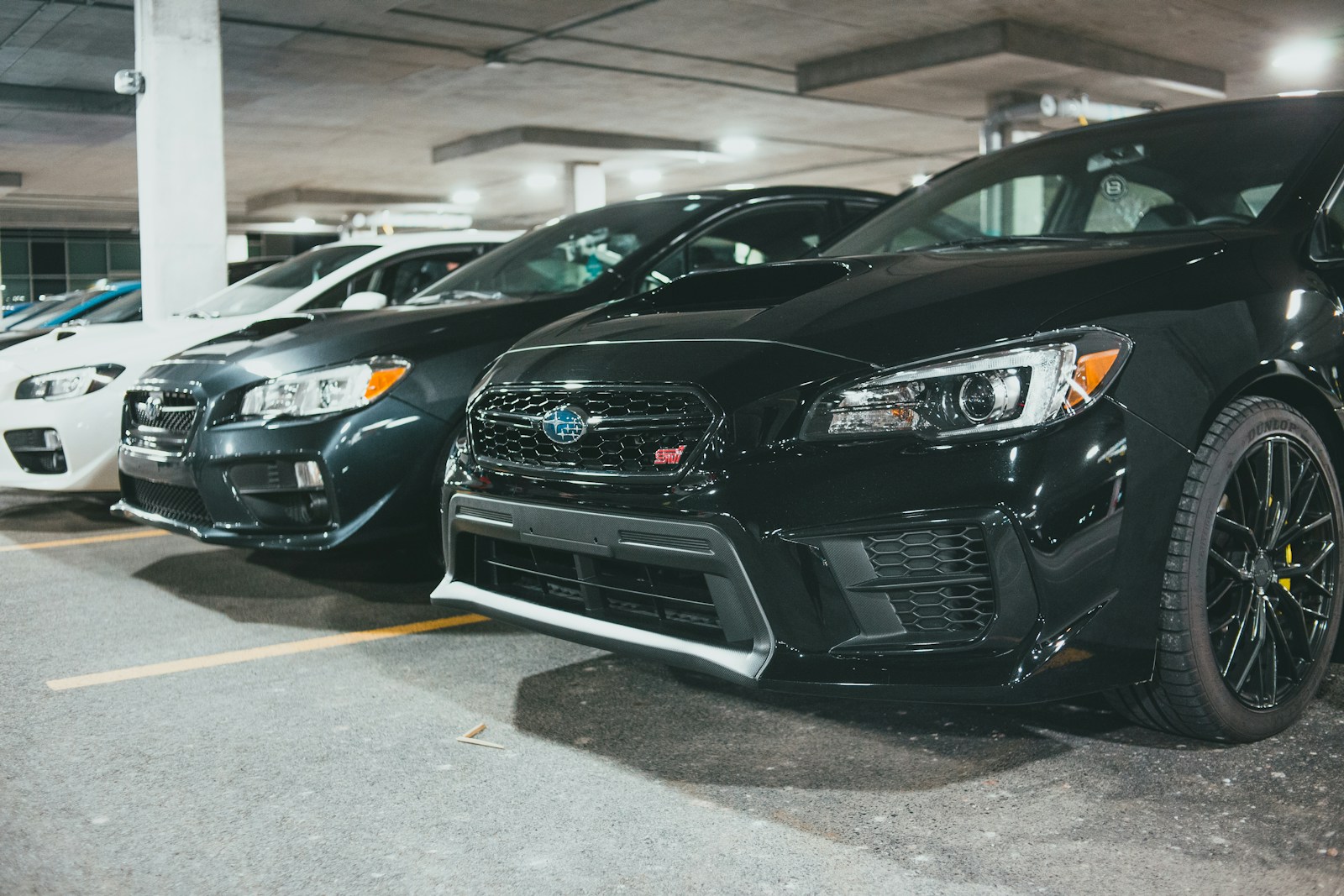

New-car lots across the United States are filling up again, and the backlog is starting to bite. Dealers are sitting on hundreds of thousands of unsold vehicles, from leftover 2024 models to slow-moving electric cars, and the only reliable way to clear them is to cut prices and sweeten incentives. For shoppers who were priced out during the supply crunch, the shift toward heavier discounts is reshaping what is possible in 2026, even as affordability remains a stubborn hurdle.
Automakers and retailers are being forced to choose between protecting margins and moving metal, and the balance is tilting toward volume. That tension is driving bigger cash-back offers, more 0 percent financing, and deeper markdowns on specific models that have piled up in inventory, setting the stage for one of the most negotiable new-car markets in years.
From shortage to surplus: how the lot filled back up
The current discount wave starts with a simple reversal: new-vehicle inventory has swung from scarcity to surplus. Industry data show that by late September, stock on hand was climbing even as sales momentum cooled, a combination that left dealers with a stronger mix of vehicles but slower turn rates. Analysts noted that New car supply was no longer the constraint it had been, and that shift is now visible on almost every franchise lot.
The overhang is especially acute for aging model years. One detailed look at dealer stock found that roughly 85,000 new 2024s were still sitting unsold heading into the end of 2025, even as 2026 models rolled in and carrying costs mounted. With 2026 models approaching and dealers facing those costs on aging inventory, analysts argued that the next few months represent prime time for shoppers who are willing to negotiate, particularly on vehicles that have been parked for months and are flagged as some of the most negotiable at year end.
Unsold 2024s and a 3,010,839 vehicle glut

The scale of the backlog is stark. Recent market data show that by the end of November, dealerships across the country were holding 3,010,839 vehicles in inventory, a figure that captures both 2024 and 2025 model years that have not found buyers. That surge in stock has been particularly painful for brands with large lineups of trucks and performance cars, and it has become a central reason why Dec reporting now describes a market where older models simply are not selling at the pace manufacturers expected.
That inventory glut is not just a statistic, it is a financial problem for every dealer that owns those vehicles. Floorplan interest, insurance, and depreciation all eat into margins the longer a car sits, especially once it becomes last year’s model. As a result, retailers are increasingly willing to sacrifice profit per unit in order to free up space and cash, a dynamic that is directly feeding into larger discounts and more aggressive marketing on leftover 2024s and slow-moving 2025s that risk being overshadowed by fresh 2026 arrivals.
Affordability crisis meets a buyer’s market
Even with lots packed, the demand side of the equation is fragile because prices climbed so far, so fast. Analysts tracking transaction data note that the average new-car buyer paid $50,080 in September, a level that locked out a large share of households and left many would-be customers on the sidelines. In a detailed forecast titled Car Models Experts Predict Will See Major Discounts, experts warned that such pricing has created a pool of shoppers who will only return if discounts are deep enough to offset higher monthly payments.
Dec analysts have been blunt about the social impact of that price spiral. Erin Keating, cited as an Executive Analyst and Senior Director, argued that the missing customers are not simply waiting for the right deal, they are essentially excluded from the new-car market altogether. In a companion outlook, Dec reporting under the Cars banner stressed that for many shoppers the issue is not preference but access, and that even as discounts expand, the relief may feel modest compared with the run-up that preceded it.
Discounts deepen: cash back, 0% APR and headline deals
To break through that affordability wall, manufacturers are leaning harder on incentives that had largely disappeared during the shortage years. A January roundup of Best Car Cash Back Deals highlighted offers such as a 2025 Audi A8 with $10,000 cash back and a 2025 Ford Mustang with $3,500 on the hood, alongside generous support on trucks like the 2025 Honda Ridge. Those figures would have been unthinkable at the height of the supply crunch, and they underscore how far the pendulum has swung toward a buyer’s market.
Financing incentives are following the same pattern. Analysts tracking January promotions describe 0 percent APR offers as more abundant than at any point in recent years, a clear sign that lenders and automakers are willing to give up interest income to keep factories humming. A separate guide to zero-interest deals notes that new car inventories bounced back over the last couple of years and that only a handful of carmakers like Toyota and Honda are still consistently selling at or over the manufacturer’s suggested retail price, a shift that has made Only a few brands outliers in an otherwise discount-heavy landscape.
Model year pressure: why 2026 deals started early
One of the clearest signs of stress is how early 2026 model year discounts appeared. Reporting from late October described how Model Year Discounts Start Early as Dealers across the Midwest slashed prices on 2026 vehicles that had barely arrived, motivated by the fear of being stuck with yet another wave of last year’s models. That kind of preemptive discounting is unusual so soon after launch and reflects how cautious retailers have become about over-ordering in a softening market.
The pressure is even more intense on discontinued or low-demand nameplates. Dec coverage of leftover and discontinued cars noted that Most types of cars have seen year-over-year sales declines, with mid-size cars suffering the largest drop, followed by compact sedans and some premium models like the Volvo S90. Those segments are now fertile ground for bargain hunters, as dealers quietly mark down slow sellers to clear space, a trend that has turned certain discontinued vehicles into some of the best end-of-year deals highlighted in Dec reporting.
EVs at a crossroads: Tesla, Chevy Silverado EV and the incentive gap
Electric vehicles sit at the center of the unsold inventory story, with some models piling up faster than others. Analysts tracking discount patterns expect that certain EVs will see some of the steepest markdowns in 2026, in part because the federal EV incentive has lapsed for many configurations. One study of new-car deals argued that With the federal EV incentive gone, dealers have to be even more flexible on their electric vehicle pricing, and that shoppers should keep this in mind while negotiating a price on battery-powered models that are not moving.
Specific nameplates are already being singled out. In Nov analysis of 2026 discounts, experts pointed to the Chevy Silverado EV and noted that The Silverado EV will be $8,000 cheaper for the base model than it was in 2025, especially when combined with any available tax credit. Another Nov forecast argued that Tesla could have the most price reductions across several models, with Pyle emphasizing that While this is not a specific model, the brand is likely to stay at the top and in the spotlight as it adjusts pricing to defend share. Those moves, combined with direct-to-consumer pricing on sites like Tesla and aggressive truck and SUV promotions on portals such as Chevrolet, are turning the EV segment into one of the most volatile corners of the market.
On-the-ground signs: viral videos and Black Friday blowouts
Beyond spreadsheets and forecasts, the new discount reality is playing out in viral clips from dealership lots. In one Nov video titled Nov, a host walks viewers past rows of unsold vehicles and highlights how dealers are getting more flexible on price, stressing that there is no pressure, no hidden fees, and that shoppers can use online quote tools as a smarter way to shop. The same clip cites commentary that the average new car price has climbed so high that dealers must now work harder to justify their asking numbers, especially on models that have been sitting.
Another widely shared Nov segment, framed around the idea that Black Friday marked the start of a car market crash, showcased a single vehicle with a Black Friday discount of $52,545 off its original sticker. The host argued that instead of passing that kind of discount through to everyday buyers, some dealers would rather send the car to auction at a loss, underscoring how distorted pricing became during the boom. While such extreme markdowns are not typical, they capture the mood of a market where shoppers are increasingly aware that patience and negotiation can unlock far better deals than the window sticker suggests.
Who still cannot buy: the $40,000 problem
Even as discounts spread, a large slice of the population remains effectively priced out of new vehicles. Dec reporting on the 2026 outlook noted that cars under $40,000 make up more than a third of dealer inventory, yet many of those units still sit unsold because monthly payments remain too high for stretched households. Analysts stressed that for many shoppers the issue is not that they prefer used cars, but that they simply cannot reach the price points on new models, even when those models are listed below the $40,000 m threshold highlighted in Dec analysis.
That disconnect helps explain why some lots are overflowing while sales growth remains muted. Keating’s observation that the missing customers are essentially excluded is borne out by the persistence of high transaction prices, even after incentives. For buyers who need a reliable vehicle under $40,000, the combination of elevated interest rates, longer loan terms, and higher insurance costs can erase much of the benefit from cash-back offers, leaving them to hunt for certified used vehicles or hold on to aging cars longer than planned.
Policy signals and what comes next for discounts
Federal policy is starting to intersect with these market forces in ways that could further reshape pricing. Reporting on potential tariff changes noted that President Donald Trump is considering significant tariff relief for U.S. vehicle production, according to Sen. Bernie Moreno, a move that could lower costs for domestic manufacturers if implemented. The same analysis emphasized that Consumers are now showing resistance to record-high vehicle pricing, forcing wider discounts and raising new affordability questions as automakers weigh whether to pass along previously absorbed tariff costs.
In the near term, the combination of a 3,010,839 vehicle inventory, tens of thousands of unsold 2024s, and a customer base strained by $50,080 average prices suggests that discount pressure will remain intense. Dealers in regions like the Midwest are already proving willing to cut early on 2026 models, while EV makers adjust list prices and incentives to keep factories running. For shoppers, the message is clear: the leverage has shifted, and those who are informed about cash-back offers, 0 percent financing, and the specific models flagged as most negotiable are in a stronger position than at any point since before the pandemic-era shortages reshaped the car market.
More from Wilder Media Group: