
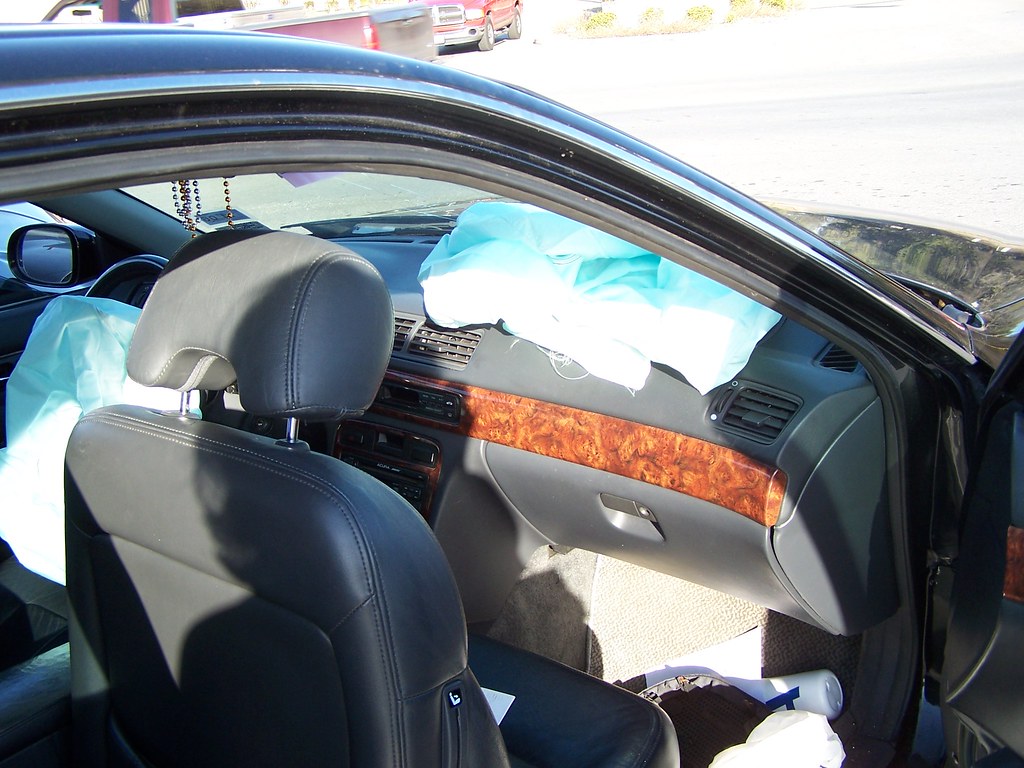

Hundreds of thousands of older cars and trucks that people rely on every day have just been moved into the “absolutely do not drive” category. The issue is not a vague mechanical quirk but air bags that can explode and turn a minor crash into a fatal one. An urgent stop-driving warning now covers about 225,000 aging Chrysler, Dodge, Jeep and Ram vehicles still carrying unrepaired Takata air bag inflators, and owners are being told to park them immediately until the fix is done.
Safety officials and the automaker are blunt: these vehicles are not safe transportation right now, no matter how carefully someone drives or how short the trip. The fix is free, the risk is deadly, and the only smart move is to treat the recall like a grounded-flight situation, not a “get around to it” chore.
How the rare “Do Not Drive” alert landed on 225,000 vehicles
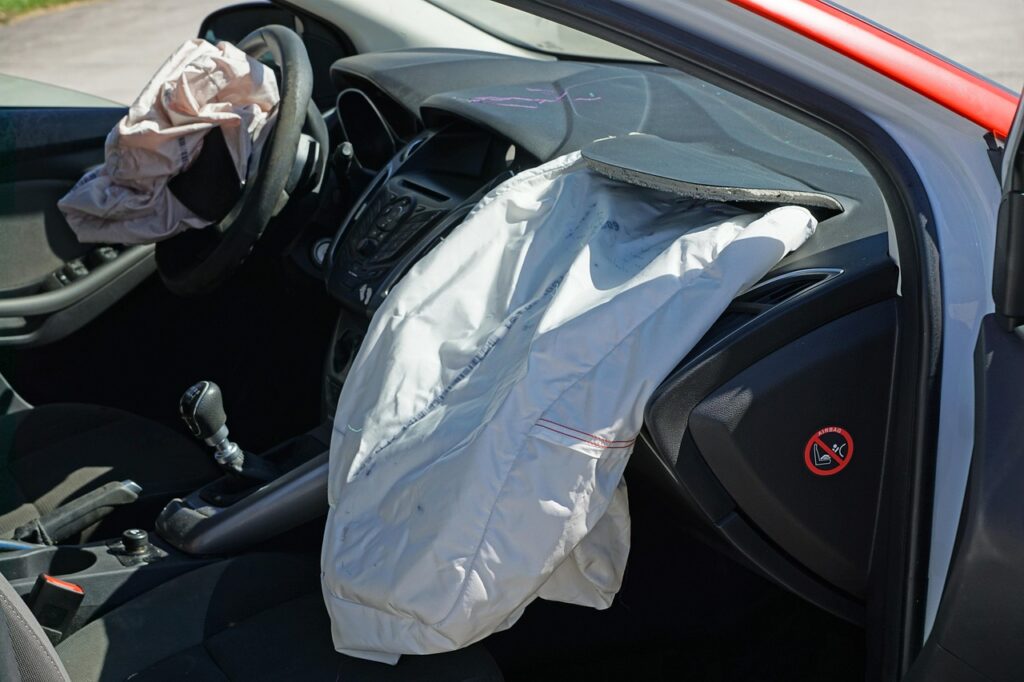
The current wave of warnings grew out of a coordinated push by federal regulators and the company behind these brands to reach owners who never completed earlier Takata recalls. In a formal do not drive announcement, the National Highway Traffic Safety Administration described a Consumer Alert in which FCA US told drivers that any of its vehicles with unrepaired Takata air bag recalls should be parked and kept off the road. Stellantis, which is the parent company of Chrysler, Dodge and Jeep, followed up by focusing on more than 225,000 cars and trucks that still have not had the dangerous inflators replaced.
The affected pool stretches across certain 2003 to 2016 model years of Chrysler, Dodge, Jeep and Ram products that were built with Takata inflators that can rupture instead of cushioning a crash. Company officials described the situation as a serious safety risk, and one Illinois outlet framed it bluntly as “225,000 Vehicles Get Do Not Drive Order, Is Yours One Of Them,” highlighting that these specific cars and trucks should not be used at all until they are made safe. That same local report stressed that all 225,000 are being treated as high priority because they combine older age, unrepaired hardware and a defect that has already been tied to catastrophic failures.
Why Takata inflators are still so dangerous years later
The Takata story is not new, but the danger has not faded with time; it has grown. The inflators at the center of this recall use a propellant that can break down after years of heat and humidity, which increases the odds that the metal canister will burst when the air bag deploys. Federal safety officials have explained that in these problem vehicles, the air bags can spray metal shards throughout the passenger cabin, a scenario that turns a device meant to save lives into something that can cause fatal or life-altering injuries in even moderate collisions.
That is why the latest Consumer Alert from FCA uses unusually direct language, telling owners that vehicles with unrepaired Takata air bag recalls should not be driven at all. Coverage of the Stellantis action has also reminded drivers that the broader Takata crisis affected over 6.6 million air bag inflators across the industry, and that these inflators have caused explosions when activated. In other words, this is not a theoretical engineering concern; it is a defect that has already produced real-world tragedies, which is why regulators are still pushing hard years after the first recalls were announced.
Which cars and trucks are in the crosshairs
For owners, the obvious question is whether their specific vehicle is one of the risky ones. Stellantis has said the warning applies to certain 2003 to 2016 Chrysler, Dodge, Jeep and Ram models that still carry the original Takata inflators. A detailed breakdown shared through safety coverage lists affected nameplates such as Dodge Charger, Dodge Magnum, Chrysler 300 and various Jeep and Ram trucks, along with a related 2006 to 2009 Mitsubishi Raider that falls under Takata campaigns 15V313 and 16V352. All of these vehicles share the same core problem: aging inflators that can turn into shrapnel if they rupture.
Consumer advocates have emphasized that these models are often still on the road as family haulers, starter cars and work trucks, which means the risk is spread across daily commutes, school runs and job sites. One detailed analysis pointed out that all of the involved vehicles have air bags that could spray metal shards throughout the passenger cabin, and that the list of automakers touched by the broader Takata issue includes brands such as Mazda, Nissan and Toyota in addition to Stellantis. That context matters because it shows this is part of a much larger safety saga, not a one-off glitch limited to a single badge.
How to check your VIN and get a free fix
The good news in the middle of all this is that the repair itself is straightforward for owners and does not cost anything. FCA US has stressed that the air bag recall repair is free and that parts are available, urging drivers to contact a dealer and arrange a tow or mobile visit instead of driving in. A key line in the federal alert spells it out clearly, advising that if a vehicle shows an open Takata recall, the owner should schedule a free fix and not drive the vehicle until the work is complete. That instruction is repeated across several channels because too many owners still assume recalls are optional or can wait.
To make the process easier, regulators are pushing drivers to use online tools that check a vehicle identification number against open campaigns. One widely shared reminder explains that a driver can enter a VIN on a recall lookup page and instantly see whether a Takata issue is still outstanding, and that this same system will also show if a vehicle might be affected by a future recall. Other guidance points to similar tools on manufacturer sites, such as a Nissan page that lays out the Reason for Recall and strongly advises drivers not to drive affected vehicles until the FREE repair is done. The common thread is simple: take five minutes to run the VIN, then treat any Takata hit as an urgent parking order, not a suggestion.
Owners who do find an open campaign are being told to lean on the automaker for logistics. Reports on the Stellantis action explain that dealers can arrange towing or alternative transportation in many cases, and that the company is prioritizing these 225,000 vehicles because of the higher risk. In some regions, mobile repair teams can perform the inflator swap in a driveway or parking lot, which removes even more friction from getting the work done.
Why this warning is different from routine recalls
Automakers issue recalls all the time, and most drivers have learned to treat them as background noise. This situation is different. Safety officials have used the phrase stop drive and do not drive repeatedly to make clear that these vehicles belong off the road until the air bags are replaced. One national overview described the directive as a stop drive alert for Chrysler, Dodge, Jeep and Ram models with Takata inflators that can cause fatal or life-altering, gruesome injuries if they rupture. That kind of language is rare in recall campaigns and reflects how high the stakes are.
Behind the scenes, data has helped shape the tone. Carfax has said its information shows more than 5 million vehicles nationwide are still equipped with potentially deadly Takata air bags, even after years of outreach. A separate retrospective on the defect opened with the reminder to Remember the Takata scandal, describing how millions of inflatable safety devices effectively became ticking time bombs aimed at drivers and passengers. Against that backdrop, Stellantis and FCA are now using more aggressive language, social media pushes and even enthusiast forums, where posts labeled Major Recalls and Do Not Drive Warning from Stellantis are trying to catch the attention of Jeep owners who might otherwise ignore a letter in the mail.
More from Wilder Media Group: