

Volkswagen is treating its next small electric car less like a routine facelift and more like a ground-up reset of its mass-market EV strategy. Instead of a modest tweak to the existing ID range, the company is using its upcoming city-sized model to redefine how its electric cars look, feel, and are priced for everyday buyers.
The shift reflects a broader realization inside the brand that design, affordability, and usability have to move in lockstep if Volkswagen is going to turn its compact EVs into true volume sellers. The smallest member of the family is being asked to carry a bigger burden than expected: set the visual template, anchor the entry price, and still deliver the practicality that made earlier compact Volkswagens household names.
The small EV that sets the big design agenda
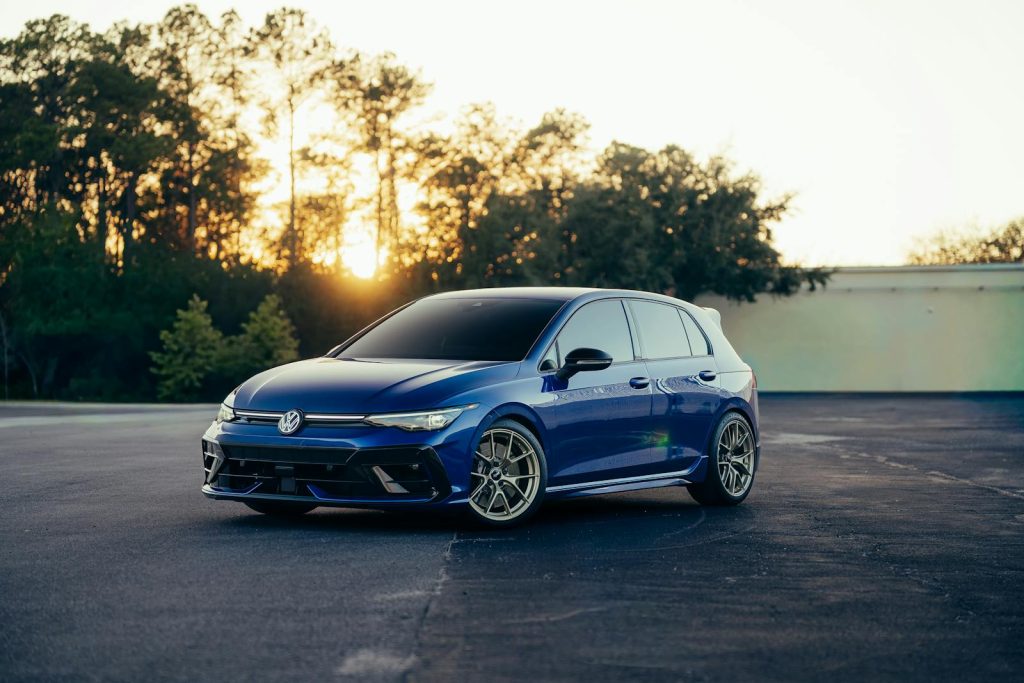
Volkswagen is not just refreshing a single model, it is rethinking the entire ID family around a new compact blueprint. Company plans show that its fully electric offerings will receive a major visual overhaul starting in 2026, with the next generation of the ID.2 positioned as the first expression of that strategy and a clear signal that the brand wants its EVs to feel more approachable and less experimental. The redesign leans on familiar cues from the company’s past, using a friendlier face and cleaner surfacing to make the car look more like a modern Polo than a rolling tech demo, which is a deliberate pivot away from the more futuristic styling of the first ID wave.
That shift is already visible in the way Volkswagen talks about its compact hatchbacks. Internal design work has elevated the upcoming ID.2 into a kind of reference model, with its proportions and detailing expected to influence everything from crossovers to larger family cars in the electric range. Reporting on the brand’s strategy notes that the 2026 ID.2 is being treated as a blueprint for VW’s electrified future, which underlines how much more is riding on this “small” car than its size suggests.
ID. Polo and ID.Every1: affordable, but not basic
The clearest sign of this expanded mission comes from the new ID. Polo, which Volkswagen is positioning as a design pioneer for the entire electric family. The car pairs compact dimensions with a more traditional hatchback stance, and under the skin it offers batteries with NMC or LFP chemistry, a technical choice that lets the company balance cost, range, and durability across different trims. By offering both NMC and LFP batteries in one package, the ID. Polo shows how the brand is trying to stretch its small-car platform to cover everything from budget-conscious commuters to drivers who want longer-distance flexibility, while still keeping the look and feel consistent with the rest of the lineup.
Volkswagen is also using the ID. Polo to test how far it can push perceived quality in an entry-level EV without losing sight of price. The car’s role as a design pioneer of the ID family means its interior layout, lighting signatures, and user interface are likely to filter into larger models, turning what might have been a niche city car into a trendsetter. That is a notable break from the old pattern where the smallest cars were stripped back and visually anonymous; here, the compact EV is being used to showcase the brand’s latest thinking.
From city car to small SUV: one strategy, multiple shapes
Volkswagen’s push into smaller EVs is not limited to hatchbacks. The company has already framed the ID.4 as a Small Electric SUV for the United States, signaling that it sees compact crossovers as a key bridge between early adopters and mainstream buyers. By describing the ID.4 as a Small Electric SUV and emphasizing its practicality and familiar SUV stance, Volkswagen is trying to reassure shoppers that moving to an EV does not mean sacrificing the body styles they already prefer. That same logic is expected to inform how the brand spins future derivatives off its small-car platforms, including higher riding variants that share components with the ID.2 and ID. Polo.
At the other end of the size and price spectrum, the company is preparing an even more affordable city-focused model under the working name ID.Every1. This New electric city car is set to be Volkswagen Passenger Cars’ smallest and cheapest EV, with internal targets suggesting a starting price around £17,000 to bring battery power to the masses. Positioning the ID.Every1 as the New entry point for Volkswagen Passenger Cars raises the stakes for its design and packaging, because it has to feel like a real Volkswagen rather than a bare-bones budget special.
A family-wide rethink, not just a facelift
Behind these individual models sits a broader decision to refresh the entire ID lineup with a more cohesive, heritage-inspired look. Reporting on the company’s internal planning credits Nov and Thanos Pappas with detailing how the brand intends to roll out a family-wide redesign that leans on classic Volkswagen proportions and simpler surfaces. The idea is to make the electric range instantly recognizable as part of the same family as long-running nameplates, rather than a separate, experimental sub-brand. That approach is meant to lower the psychological barrier for buyers who might be wary of EVs that look too radical compared with their current cars.
Crucially, this is not just a styling exercise. The same planning documents that describe the visual reset also point to a more modular approach to hardware, where battery chemistries, motor outputs, and interior tech can be mixed and matched across sizes. The 2026 ID.2 is singled out in those plans as the model that will debut many of these ideas, with Nov reporting by Thanos Pappas describing it as the starting point for the next wave of ID cars. In that context, Volkswagen’s smallest EV is being asked to do something quite large: prove that the brand can blend familiar design, flexible engineering, and aggressive pricing into a package that finally makes electric mobility feel truly mainstream.
Volkswagen’s earlier work on the ID.4, which Gets ID for U.S. buyers as a Small Electric SUV, shows how the company has already used one compact model to test the waters of mass-market electrification. By positioning the ID.4 as a practical Volkswagen SUV rather than a niche experiment, the brand laid the groundwork for this next phase, where even smaller EVs are expected to carry a much bigger share of its future.
More from Wilder Media Group: