
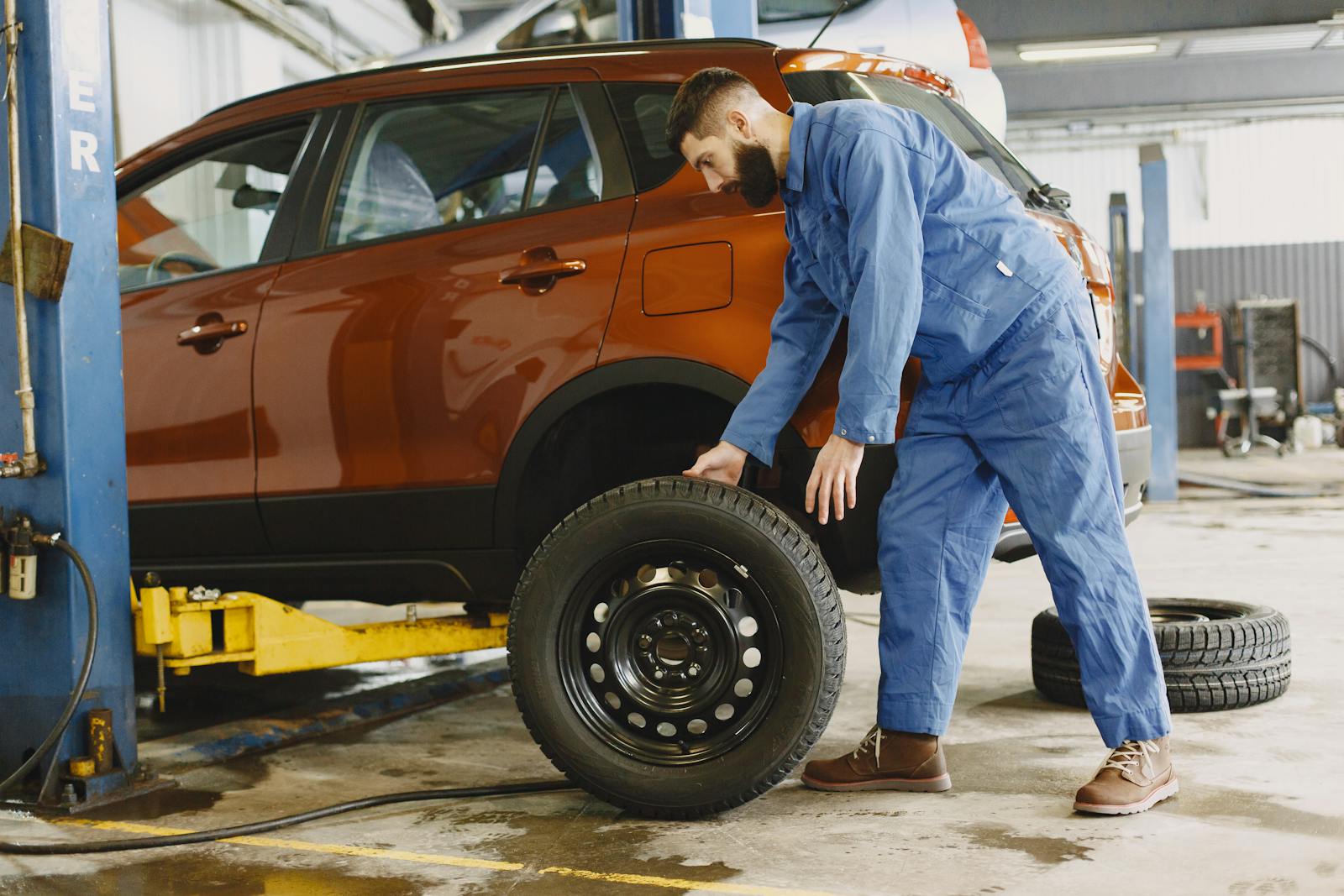

Walmart is making an aggressive play to become the go-to destination for routine car maintenance, combining some of the lowest oil change and tire prices in the industry with a digital-first service experience designed to eliminate the dreaded waiting room. As of spring 2026, the retailer operates more than 2,500 Auto Care Centers across the United States, and a growing number of them are being converted into what the company calls “Auto Care Centers of the Future,” pilot locations that let drivers manage the entire service visit from their phones.
The strategy is straightforward: if Walmart can make tire purchases, oil changes, and basic upkeep cheaper and less time-consuming than the alternatives, it can pull drivers deeper into the broader Walmart ecosystem, where they are likely to spend on groceries, household goods, and more during the same trip.
What Walmart charges for oil changes and how it compares
Walmart’s entry-level oil change, using conventional motor oil, is listed at $26.88. That price includes up to five quarts of oil and a new filter, which puts it well below the $40 to $55 range that national chains like Jiffy Lube and Valvoline Instant Oil Change typically charge for a comparable conventional oil change. For drivers who want synthetic protection, Walmart lists a full synthetic oil change at $58.88 and a premium synthetic option, marketed as providing extra engine restoration and heavy-duty protection, at $64.88.
Those prices matter most to the households Walmart already serves. A family running a 2020 Toyota Camry or a 2018 Ford F-150 that needs oil changes every 5,000 to 7,500 miles can save $50 to $100 a year over quick-lube competitors just by choosing Walmart’s conventional or mid-tier service. The trade-off, as longtime auto-service shoppers know, is that Walmart centers generally handle only basic maintenance: oil changes, tire installation and balancing, battery testing and installation, and wiper blade fitting. Complex diagnostics, brake jobs, and transmission work still require a dealership or independent mechanic.
The “Auto Care Center of the Future” and its digital tools
Walmart’s biggest bet is not on adding more service bays but on rethinking how existing ones operate. In pilot locations that first appeared in Fayetteville, Arkansas, the company has introduced what it calls the Auto Care Center of the Future, a format built around the Walmart app. Drivers use the app to schedule an appointment, check in when they arrive, approve any recommended work, and receive real-time updates on their vehicle’s status, all without standing at a service counter or waiting for a phone call.
The app also includes a “Virtual Garage” feature, where customers can store vehicle details, track service history, and view upcoming maintenance reminders in the same interface they use for grocery pickup and delivery. According to Path to Purchase Institute reporting, the pilot blends digital tools with in-store experiences, letting shoppers scan their vehicle through the app and browse additional services or parts online while their car is in the bay.
The design is intentional: Walmart wants the service visit to fade into the background of a normal shopping trip rather than dominate a driver’s afternoon. A customer dropping off a car for a tire rotation can walk the aisles, grab a prescription, or sit in the store’s cafe while tracking progress on their phone.

Tires: marketplace selection meets in-store installation
Tires represent the highest-dollar routine purchase most drivers face, and Walmart has been working to close the gap between online selection and physical installation. Through its third-party marketplace, customers can order eligible tires from a wider pool of sellers and have them shipped directly to a local Auto Care Center for installation. That means a driver shopping for a specific size for a 2019 Honda CR-V, for example, can compare prices from multiple brands online, place the order, and schedule a mounting appointment without ever hauling tires in their trunk.
This approach puts Walmart in more direct competition with Discount Tire and Costco’s tire centers, both of which have loyal followings built on competitive pricing and bundled installation. Walmart’s advantage is sheer foot traffic: millions of shoppers already visit a supercenter weekly, and converting even a small percentage of them into tire buyers during a routine grocery run could meaningfully shift market share.
Membership perks, customer perception, and the price narrative
Walmart+ members already receive fuel discounts at partner stations, and the auto care expansion fits neatly into the company’s broader push to make the membership feel indispensable for budget-conscious families. While Walmart has not announced exclusive Auto Care Center discounts tied to Walmart+ as of April 2026, the infrastructure is clearly in place: the same app, the same account, the same loyalty logic. Industry analysts have noted that bundling auto service perks into a membership tier would be a natural next step, similar to how Costco ties tire pricing and installation deals to its membership model.
Customer perception remains the variable Walmart has to manage carefully. Auto Care Centers have historically drawn mixed reviews, with common complaints about long wait times and inconsistent service quality across locations. The digital scheduling and real-time tracking tools in the pilot program appear designed to address exactly those pain points by setting clearer expectations and reducing the uncertainty that frustrates customers most. Whether the technology translates into consistently better experiences at scale will determine if Walmart can convert skeptics into regulars.
The underlying price narrative, though, is hard to argue with. When a conventional oil change costs less than a fast-food dinner for a family of four, and tire installation can be bundled into a trip that was already happening, Walmart is betting that convenience and cost will outweigh any lingering reputation issues. For the tens of millions of households already shopping its aisles every week, the pitch is simple: your car needs maintenance anyway, so you might as well get it done here.