
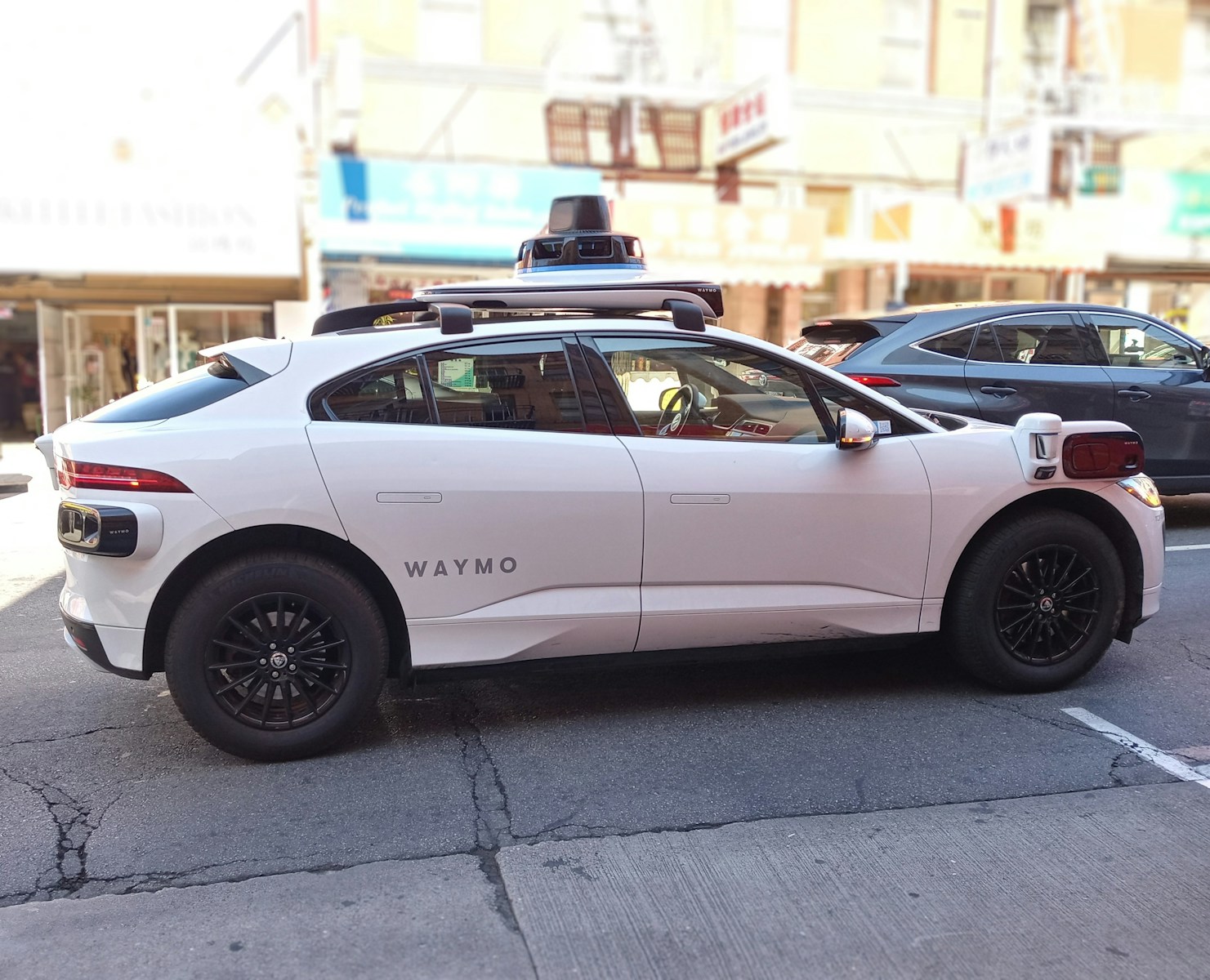

Waymo is moving fast. The autonomous vehicle company has already begun fully autonomous driving operations in five new cities—Miami, Dallas, Houston, San Antonio, and Orlando—with plans to open these services to paying riders in 2026. What was once considered a technical milestone has become routine for the company, and the pace of expansion suggests a broader nationwide presence might arrive sooner than many expect.
The rollout marks a significant moment for self-driving technology. Waymo’s autonomous vehicles are now operating in 10 major U.S. metropolitan areas, giving the company an early lead over competitors like Tesla and Amazon-owned Zoox that are still developing their own robotaxi services.
The company isn’t just deploying technology—it’s developed what it calls a “generalizable Driver” that can adapt to new cities with fewer local adjustments each time. This approach, combined with a proven operational playbook, is allowing Waymo to scale faster than ever before while maintaining what the company says are 11 times fewer serious injury collisions compared to human drivers.
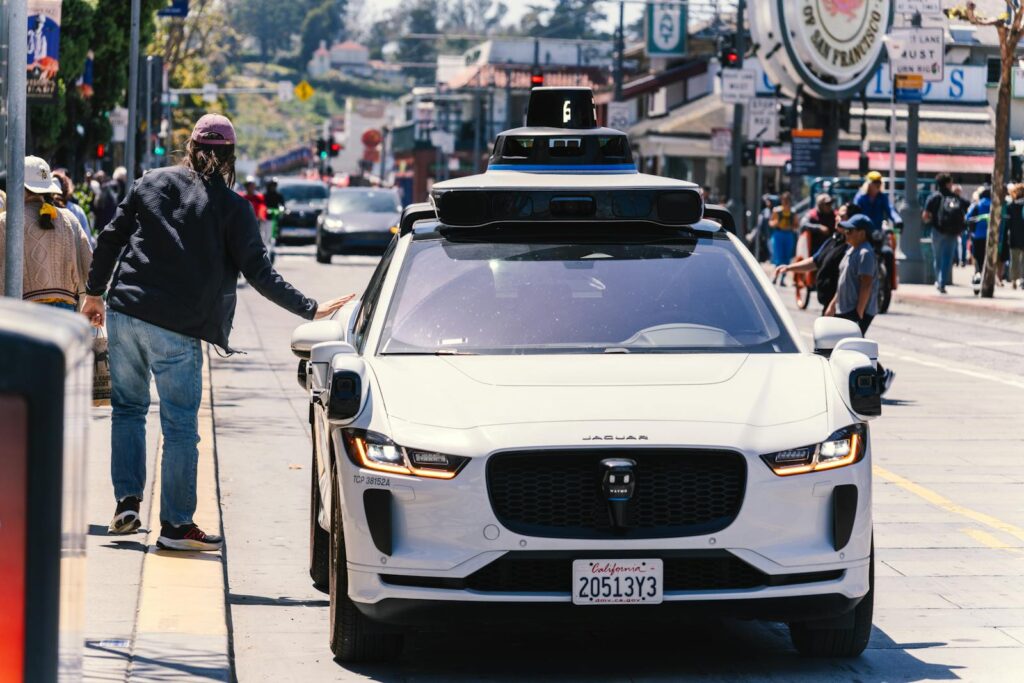
Waymo’s Expansion Into New Cities
Waymo has accelerated its robotaxi service expansion across the United States, adding multiple major metropolitan areas to its network. The company now operates in ten cities and has begun implementing its operational playbook to scale autonomous vehicle services more rapidly than before.
Major Markets: Miami, Dallas, Houston, San Antonio, and Orlando
Waymo opened its robotaxi service to select riders in Dallas, Houston, San Antonio, and Orlando in February 2026. These four cities represent a significant expansion of the Alphabet-owned company’s footprint in Texas and Florida markets.
The company previously announced plans to launch in Miami, Washington, D.C., and Dallas as part of its broader growth initiative. With Waymo robotaxis now operating in 10 US cities, the service has moved beyond its initial markets of Phoenix, San Francisco Bay Area, Los Angeles, Austin, and Atlanta.
These new cities add substantial population coverage to Waymo’s service area. The Texas markets alone provide access to millions of potential riders who can use the Waymo app to request autonomous vehicles.
Service Launch Timeline and Early Access Programs
The rollout follows a phased approach that begins with manual driving operations. Waymo typically sends fewer than ten cars to each new city initially, with human drivers manually operating the vehicles to map city streets before autonomous operations begin.
Select riders in the newly added cities can now access the service through early programs. This gradual expansion allows Waymo to test its self-driving cars in diverse urban environments while building community relationships and regulatory approvals.
The company has been accelerating its commercial expansion after reaching milestones including hundreds of thousands of weekly fully autonomous trips and over 100 million miles of public road experience. Waymo One, the company’s commercial service, has already served over 10 million fully autonomous trips across its network.
Growth Strategy and Scaling Operations
Waymo’s expansion strategy relies on leveraging experience from existing markets to enter new cities more quickly. Operating in multiple major U.S. cities and testing in Tokyo has created a robust system that can adapt to different urban environments.
The company’s operational playbook has become more refined with each market entry. Data from Phoenix, San Francisco, and other established markets has strengthened the Waymo Driver technology, allowing faster deployment in new locations.
Manufacturing capacity is also expanding to support growth. Waymo opened a new 239,000-square-foot facility to increase production of its autonomous vehicles. The company aims to work toward serving one million rides per week as it continues adding cities and scaling operations across its network.
The Future of Waymo and Nationwide Rollout
Waymo’s expansion trajectory shows the company moving rapidly toward broader availability across America, backed by technological improvements and a systematic approach to entering new markets. The ride-hailing app operator is balancing aggressive growth with safety priorities while competitors like Zoox work to catch up.
Nationwide and International Rollout Plans
Waymo operates robotaxis in 10 U.S. cities as of February 2026, marking a significant expansion from its initial limited service areas. The company introduced fully autonomous driving in Miami, Dallas, Houston, San Antonio, and Orlando in late 2025, with operations starting in Miami first and rolling out to the other cities over subsequent weeks.
The pace picked up even more when Waymo announced plans for Detroit, Las Vegas, and San Diego in November 2025. The Alphabet-owned company has also deployed its next-generation Ojai vehicles to employees and guests in the San Francisco Bay Area and Los Angeles, with plans to gradually expand to additional cities.
Beyond domestic growth, Waymo is eyeing international markets. The company’s expansion plans for 2026 include cities like Washington D.C. and continued service in Miami, demonstrating a methodical approach to covering major metropolitan areas across different regions.
Trust, Safety, and Community-First Approach
Waymo’s data shows the Waymo Driver is involved in 11 times fewer serious injury collisions compared to human drivers, a metric the company uses to demonstrate its safety record. Despite this, the autonomous driving industry faces ongoing scrutiny, including NHTSA investigation activities that monitor driverless rides for safety compliance.
The company engages policymakers, regulators, and safety officials before launching in new territories. This involves continuous dialogue with local stakeholders and residents to address concerns about self-driving technology on public roads.
Waymo has developed what it calls industry-leading end-to-end rider support across dozens of sites. The company validates the Waymo Driver’s performance against proven baselines in each new city, identifying local characteristics that might require adjustments to the AI system.
Advancements in Self-Driving Technology and Partnerships
The Waymo Driver has become increasingly generalizable, meaning it adapts to new environments with fewer modifications needed for each city. The company’s AI feeds data into what it describes as a flywheel of continuous improvement, combining real-world driving with advanced simulation.
Waymo previously relied on modified Jaguar I-PACE vehicles but has transitioned to its Ojai robotaxis, which represent the next generation of its autonomous fleet technology. These vehicles started serving employees and guests before broader public availability.
The company is teaching partners how to operate autonomous fleets at scale, creating new economic opportunities while attempting to maintain its early lead in the market. While Waymo pushes deeper into America with a goal to surpass one million weekly rides by year’s end, competitors continue working on their own fully autonomous driving systems.
More from Steel Horse Rides:
- 13 Most Powerful Muscle Cars of All Time
- 13 Underrated JDM Cars That Deserve More Love
- 15 JDM Cars That Were Illegal in the U.S.
- 13 SUVs From the ’90s That Are Surprisingly Cool Today