

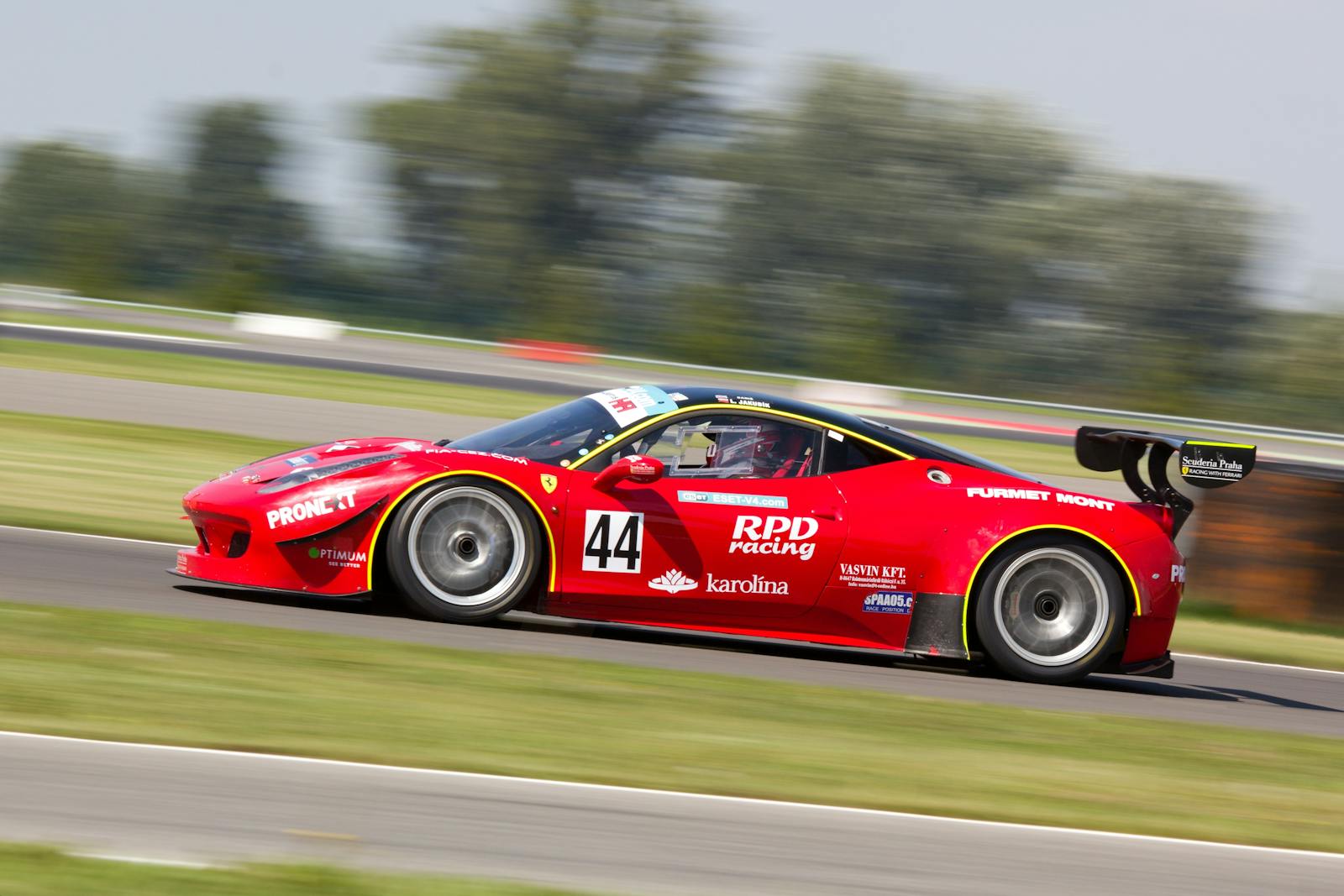
In a recent test that has ignited debates among automotive enthusiasts, a new method for improving lap times was put to the test: taping over the grille of several sports cars. The results, which demonstrated significant improvements in lap times, could have implications for both amateur and professional racers looking to enhance their vehicle’s performance without major modifications. This experiment not only caught the attention of drivers but also raised questions about the impact of aerodynamics on vehicle efficiency.
The Experiment: Methodology and Results
The test was conducted at a well-known racetrack, where a group of drivers piloted popular sports cars, including the 2022 Chevrolet Corvette C8 and the 2021 Ford Mustang GT. Each vehicle underwent timed laps before and after the grille taping, which was designed to improve aerodynamics by reducing drag. The results were compelling: the Corvette saw a 2.3-second decrease in lap time, while the Mustang recorded a 1.8-second improvement. These changes, though appearing minimal, could prove vital for those competing in time-sensitive events.
Understanding Aerodynamics in Racing
Aerodynamics plays a crucial role in vehicle performance, especially at high speeds. The grille is designed for airflow, cooling the engine and other components; however, it can also create drag that hinders speed. By taping the grille, testers aimed to minimize this drag while accepting a slight trade-off in engine cooling. Experts suggest that this method could be particularly beneficial for short races where engine temperature management is less critical than maximizing speed.
What the Experts Say
Automotive engineer Dr. Sarah Thompson, who specializes in vehicle dynamics, stated, “The results of this experiment are indicative of how small changes can lead to significant performance gains. Aerodynamic efficiency is often overlooked by drivers focused on power output.” According to Dr. Thompson, even minor improvements in lap times can make a difference in competitive racing scenarios where milliseconds count.
Implications for Racing Communities
This discovery may have far-reaching consequences for both amateur and professional racing communities. Many amateur racers often work with limited budgets, making low-cost modifications like taping a grille especially appealing. Professional teams, who frequently invest in advanced aero upgrades, might also consider this simple technique as a supplementary strategy to enhance their vehicles’ performance during races.
Consumer Awareness and Future Trends
The findings have not only sparked interest among racers but also raised awareness about the importance of vehicle aerodynamics among everyday drivers. With more consumers seeking ways to enhance their cars’ performance, manufacturers may be prompted to design vehicles with better aerodynamic profiles as a standard feature. The success of this experiment could lead to increased demand for aftermarket modifications focusing on aerodynamics, potentially reshaping how enthusiasts approach vehicle upgrades.
Practical Considerations for Vehicle Owners
While taping the grille may yield performance benefits, vehicle owners should be cautious. It’s essential to monitor engine temperatures during use, especially in high-performance scenarios. Overheating could lead to engine damage, negating any benefits gained from reduced drag. Experts recommend that drivers conduct similar tests in controlled environments and remain aware of their car’s cooling needs.
The Bigger Picture: Racing Regulation and Innovation
This experiment also opens up discussions regarding racing regulations. If techniques like taping the grille become popular, racing organizations may need to reassess their rules and guidelines regarding vehicle modifications. As technology and techniques evolve, so must the regulations to ensure fair play in competitive racing. This could lead to innovative solutions being adopted widely, pushing the automotive industry toward new frontiers in performance and efficiency.
Conclusion: A Call to Action for Drivers
As the automotive community digests the implications of this experiment, drivers interested in improving their lap times should consider testing this simple yet effective method. The results have shown that even minor adjustments can lead to significant gains, making it a worthy pursuit for both casual drivers and serious racers alike. For those looking to enhance their vehicle’s performance, now is the time to experiment responsibly and stay informed about the best practices in vehicle tuning.
Stay ahead of the curve—consider whether you could benefit from this technique. As more drivers explore the effects of aerodynamics on racing and performance, sharing experiences and findings will be crucial in shaping the future of automotive innovation. Don’t get left behind; start your testing today!