

Did you know that your car is probably one of the most expensive assets you own, right after your house? Because of this, it’s essential to take care of it properly, to ensure it stays in good condition and maintains its value. However, many people unknowingly damage their cars by doing things that seem innocent but are actually harmful. In this blog post, we will explore ten weird things you might be doing to your car that you should stop immediately if you want your vehicle to last. Let’s dive right in!
1. Ignoring the Check Engine Light
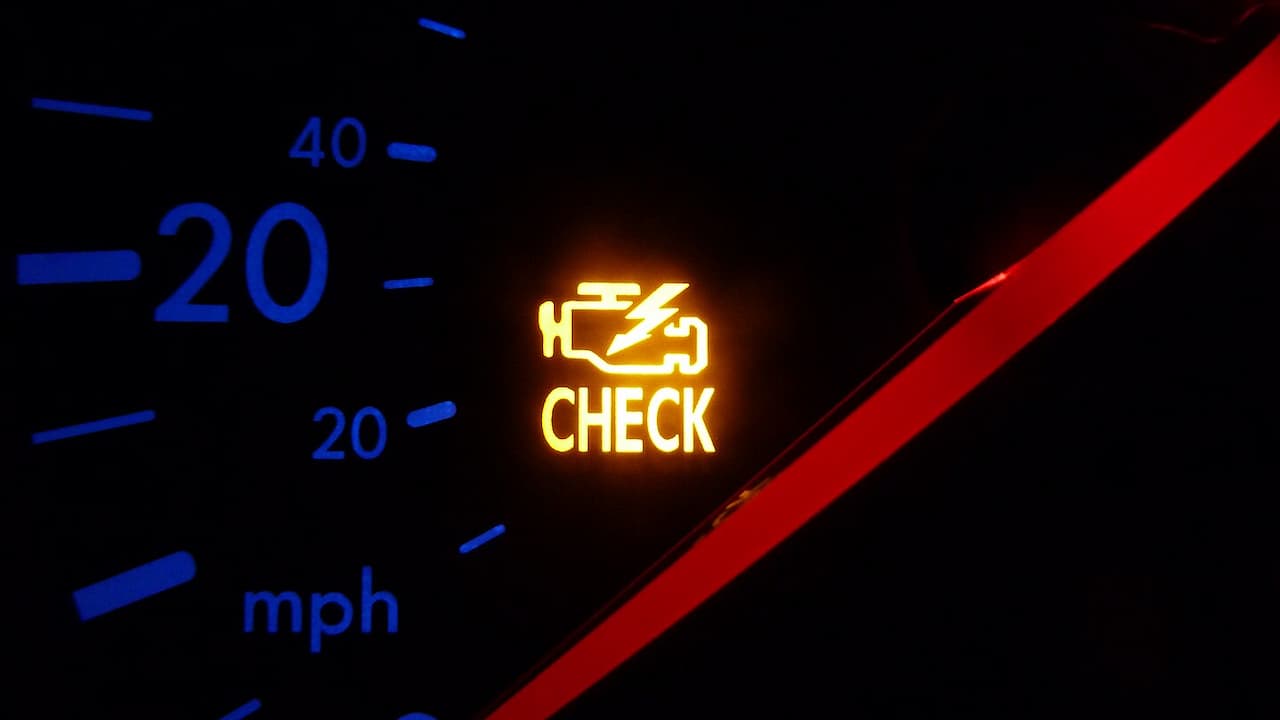
Ignoring the check engine light is like dismissing a doctor’s advice. When the check engine light illuminates, it’s an indication that something is wrong. The problem could be a minor issue that requires a simple fix, or it could be a major problem that, if left untreated, could cause significant damage to your vehicle.
For example, the light could be warning you about a failing oxygen sensor, which can lead to poor fuel efficiency and increased emissions. Or it could be a sign of a more serious problem like engine misfire, which can cause severe damage over time. Therefore, don’t ignore the check engine light. Take your car to a professional mechanic for diagnosis and repair.
2. Using the Wrong Fuel Type

It’s not uncommon for people to use the wrong fuel type in their cars. This could be because they aren’t aware of the specific fuel requirements of their car or because they are trying to save money. However, using the wrong fuel type can have serious consequences.
For instance, if your car requires premium fuel and you use regular, it can cause engine knocking, which can lead to engine damage over time. On the other hand, if your car is designed for regular fuel and you use premium, you are simply wasting money as it does not provide any additional benefits. Always check your vehicle’s fuel requirements and stick to them.
3. Neglecting Tire Pressure

Tire pressure is something that many car owners overlook. They either forget to check it or assume that it’s not that important. However, maintaining the correct tire pressure is crucial for the safety and efficiency of your car.
Under-inflated tires can lead to increased tire wear and poor fuel economy, while over-inflated tires can reduce traction and make the ride less comfortable. Moreover, incorrect tire pressure can also affect the handling and braking of the car, making it potentially unsafe. Therefore, it’s essential to check your tire pressure regularly and inflate them to the recommended level.
4. Overloading Your Car

While it might be tempting to load up your car with all your belongings for that weekend getaway or moving day, overloading your car can cause significant damage. The weight capacity of your car is not just a suggestion, it’s there for a reason.
Overloading your car can strain the engine, suspension, and brakes, leading to increased wear and tear. It can also affect the handling and stopping distance of the car, making it potentially unsafe. Therefore, always check the weight limit of your car and make sure not to exceed it.
5. Not Changing the Oil Regularly

Oil is the lifeblood of your car’s engine. It lubricates the moving parts, prevents overheating, and reduces wear and tear. However, over time, the oil can get dirty and lose its effectiveness, which is why it needs to be replaced regularly.
Failure to change the oil can lead to engine damage, reduced performance, and decreased fuel efficiency. Therefore, it’s crucial to follow the manufacturer’s recommended oil change intervals. Don’t just rely on mileage, as the oil should also be changed based on time, especially if the car is not used regularly.
6. Ignoring the Brake Warning Light
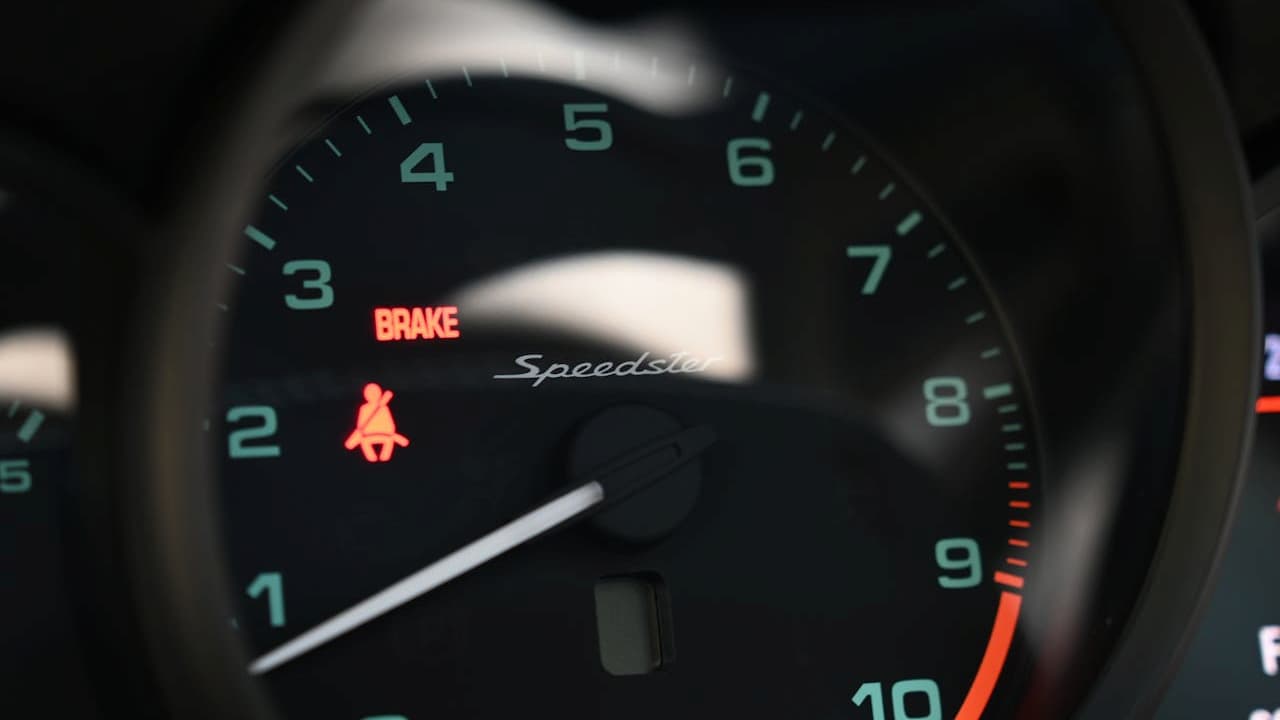
The brake warning light is another indicator that car owners often ignore. However, the brake system is one of the most critical safety features of your car, so any issues with it should be addressed immediately.
Ignoring the brake warning light can lead to decreased brake performance, increased stopping distance, and in extreme cases, complete brake failure. Therefore, if you see the brake warning light, take your car to a professional mechanic for diagnosis and repair.
7. Using the Wrong Coolant

Just like using the wrong fuel, using the wrong coolant can also damage your car. The coolant is designed to keep your engine cool and prevent overheating. However, not all coolants are the same.
Using the wrong coolant can cause corrosion and clogging in the cooling system, leading to overheating and potential engine damage. Therefore, always check the manufacturer’s recommended coolant type and ensure you use the correct one.
8. Revving the Engine When It’s Cold

Revving the engine when it’s cold might seem like a good idea to warm it up quickly. However, this can actually cause damage. When the engine is cold, the oil hasn’t had a chance to circulate properly, so revving the engine can cause unnecessary wear and tear.
Instead, let the engine idle for a minute or two to allow the oil to circulate and warm up the engine gradually. This will help to prolong the life of the engine and prevent unnecessary damage.
9. Riding the Clutch
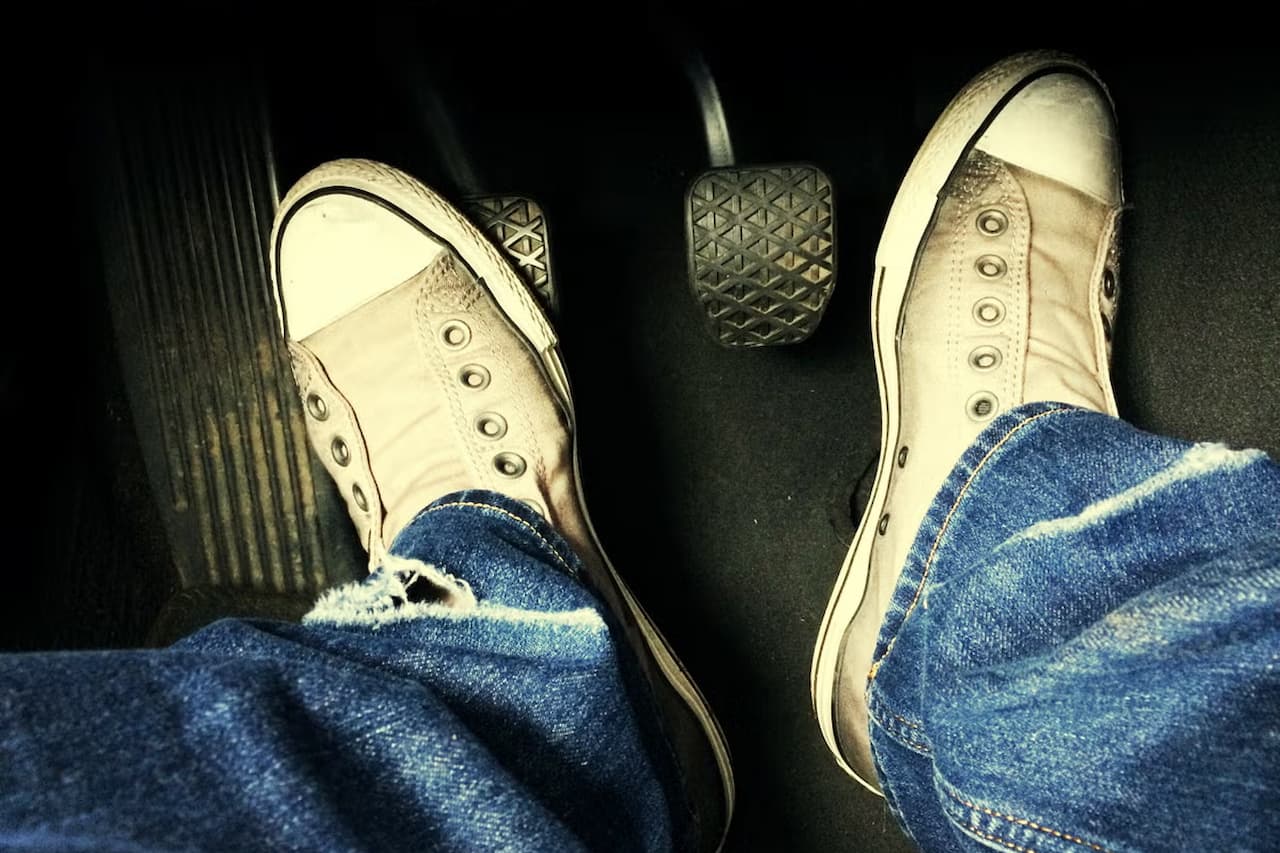
If you drive a manual car, you might have the habit of riding the clutch – that is, keeping your foot on the clutch pedal when not changing gears. However, this can cause unnecessary wear and tear on the clutch.
Riding the clutch can cause the clutch plate to wear out prematurely, leading to costly repairs. Therefore, always make sure to fully release the clutch pedal after changing gears.
10. Not Washing Your Car Regularly
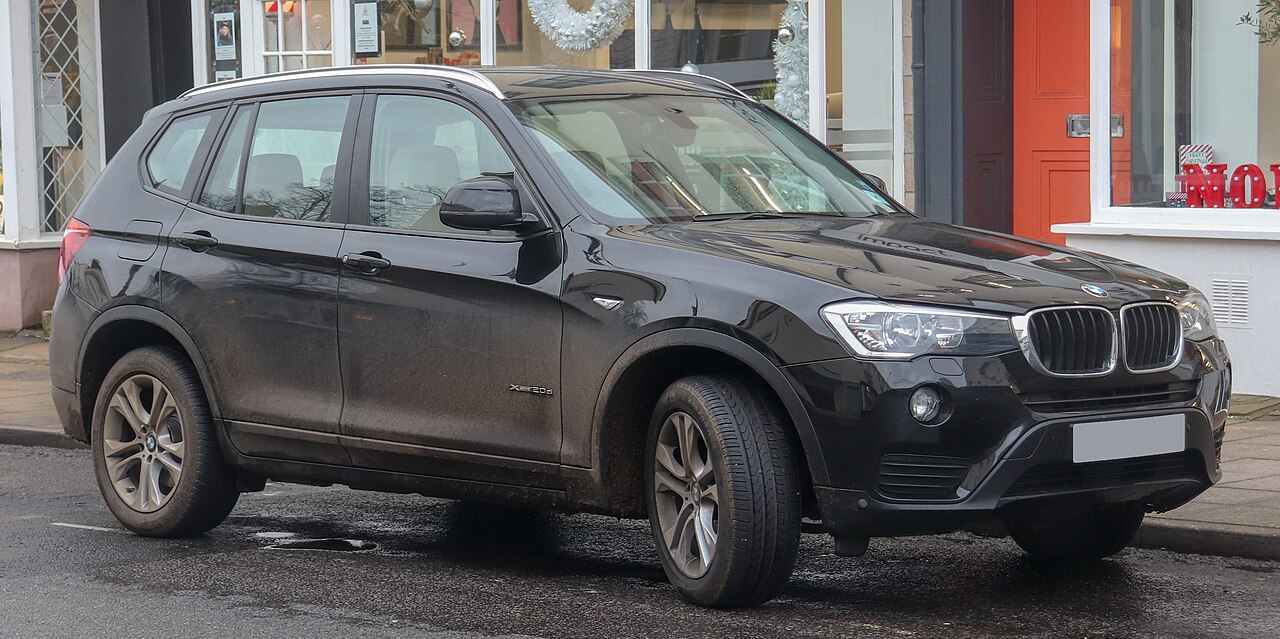
Lastly, not washing your car regularly might seem harmless, but it can actually cause damage over time. Dirt, dust, bird droppings, and other substances can corrode the paint and metal of your car, leading to rust and other damage.
Regular washing can help to remove these substances and protect the paint and metal of your car. Therefore, it’s advisable to wash your car regularly, especially if it’s exposed to harsh environmental conditions. And remember, a clean car is not just about aesthetics – it’s also about preserving the value and longevity of your vehicle.