
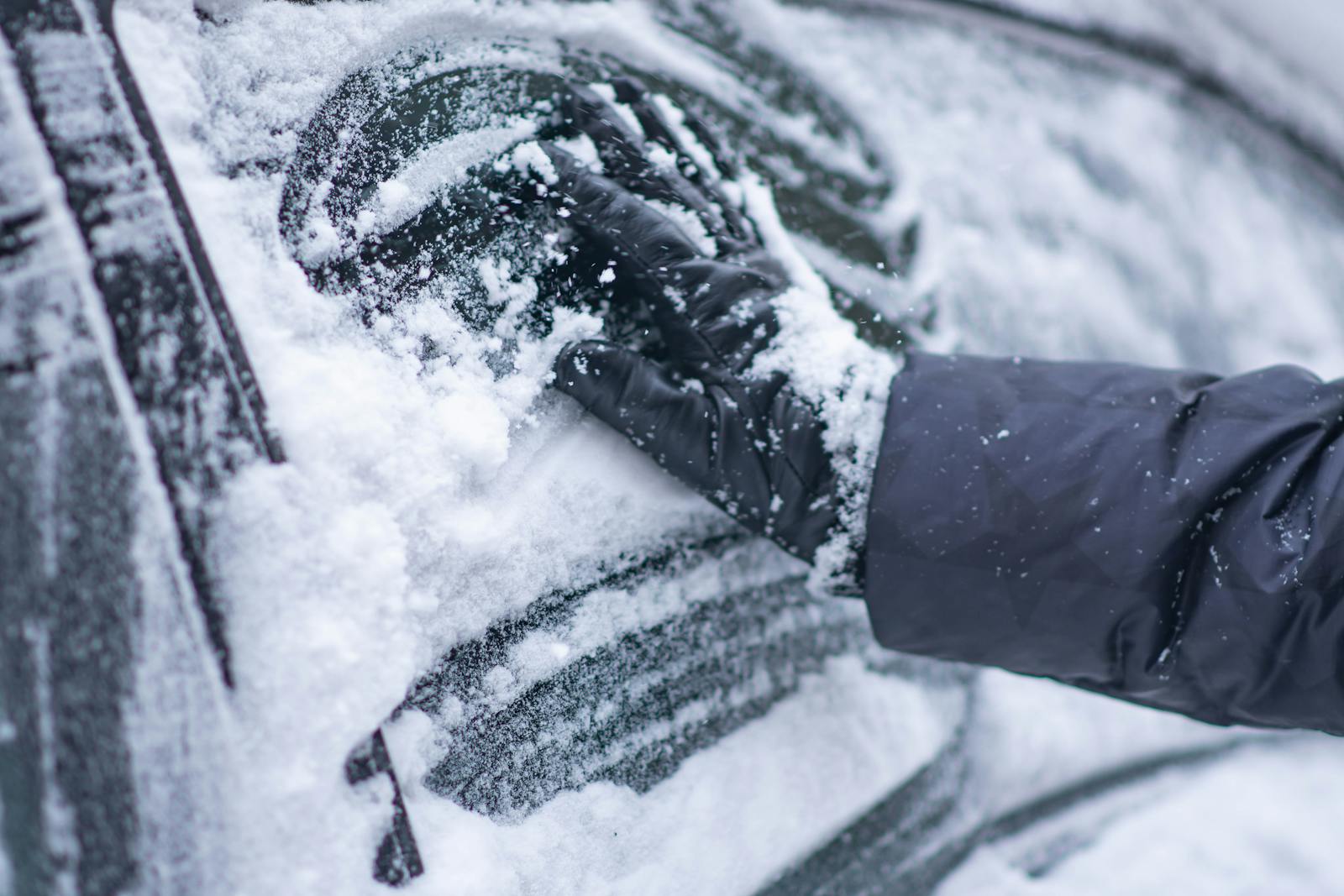

On a bitter winter morning, a frozen windshield can feel like the last straw between a driver and getting anywhere on time. Grabbing a kettle and dousing the ice in steaming water sounds like a clever shortcut, but it is one of those tricks that can turn a minor annoyance into a major repair bill. Pouring hot water on cold auto glass is a fast track to cracks, shattered glass, and even injuries, and the damage often shows up long after the ice has melted.
Instead of gambling with the most important piece of safety glass on the car, it pays to understand what actually happens when hot water hits frozen glass and what to do instead. With a little science, some simple tools, and a few smart habits, drivers can clear their view without risking their windshield or their wallet.
Why hot water and frozen glass are a bad mix
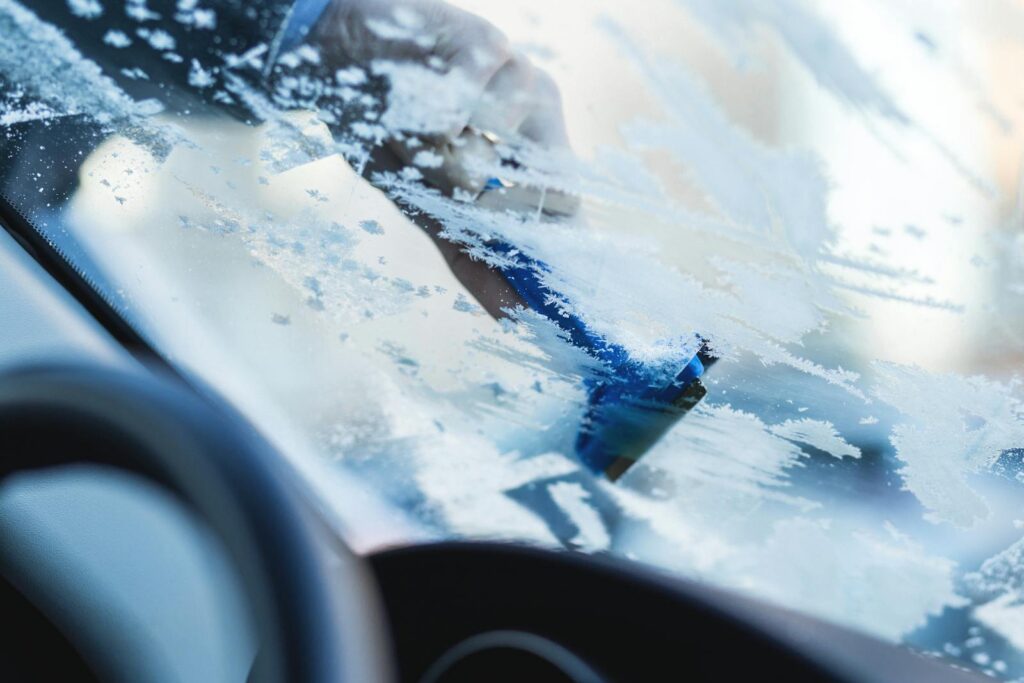
The core problem is not the water itself, it is the violent temperature swing that happens when boiling or near boiling water hits glass that has been sitting in subfreezing air. Auto glass is engineered to handle wind, debris, and flex in the body of the car, but it is still vulnerable when one part of the pane suddenly heats up while the rest stays locked in the cold. That rapid change forces the surface to expand at a different rate than the inner layers, which is exactly how stress cracks start.
Technicians who work with windshields every day warn that this kind of shock can cause existing chips to spiderweb or even make an intact windshield fail in one ugly moment. One shop explains that hot water on a frozen windshield can turn a small flaw into a full break that is not worth the risk. Another detailed breakdown notes that hot water will crack a cold windshield and that pouring boiling water on it can shatter the glass outright, especially when the outside temperature is far below freezing.
What actually happens when you pour it on
When steaming water hits ice on the glass, the top layer of the windshield warms first while the rest of the pane and the surrounding frame are still contracted from the cold. That uneven expansion twists the glass on a microscopic level, and the stress concentrates around weak spots like tiny rock chips, old repairs, or the edges where the glass is bonded to the body. The driver might hear a sharp ping, see a hairline crack appear, or notice nothing until the next bump in the road makes the damage spread.
Glass specialists describe how sudden exposure to hot water can cause a windshield to crack or even shatter entirely when it is already weakened. Another repair service points out that quick temperature changes are one of the worst things for maintaining a windshield’s integrity, because the laminated layers and any embedded heating elements or sensors all react differently to the heat.
Why “warm” water is not the safe loophole it sounds like
Some drivers try to split the difference and reach for a bowl of warm tap water instead of a boiling kettle, assuming that a smaller temperature jump is harmless. The problem is that on a morning when the car is coated in frost, even water that feels comfortably warm indoors can still be dozens of degrees hotter than the glass. That is more than enough to create stress, especially on older windshields or ones that already have a chip hiding in the wiper path.
Guides aimed at winter drivers in the United Kingdom spell this out bluntly, warning that using water to de ice a car windscreen is risky and advising people not to use warm water to defrost a windscreen because the glass can crack. Even luxury brands echo that message, with one service bulletin telling owners to avoid pouring hot on your windshield and noting that although it may defrost quickly, the heat can crack the glass and even freeze on the wipers or seals once it cools again.
What experts and insurers are telling drivers right now
As winter storms roll through different parts of the country, safety organizations and insurers have been racing to shut down the hot water myth before it spreads on social media. In guidance for drivers facing icy conditions in Georgia, AAA is quoted answering the question of whether someone should pour hot water on a frozen windshield with a clear no, explaining that it can crack the glass and advising people not to use a metal scraper, screwdriver, or other tool that can gouge the surface either. That warning is tucked into a broader list of winter storm prep tips that stress patience and proper tools over shortcuts.
Similar advice is being shared with drivers in the Midwest, where another winter briefing tells people never to pour hot water onto a frozen windshield because the sudden change in temperature can crack the glass, leading to an expensive repair. That same rundown on how to get ice off fast also reminds drivers that scraping takes effort but is still safer than trying to melt everything in one dramatic pour. In Georgia, the winter storm guide that asks should you pour hot water on a frozen windshield gives the same answer and folds it into a larger push for using proper ice scrapers and soft brushes instead of improvised tools.
The hidden costs if the glass does crack
Even a small crack from a bad de icing attempt is not just a cosmetic issue, it is a structural problem. The windshield helps support the roof in a rollover and keeps airbags aimed correctly, so damage in the driver’s line of sight or near the edges can mean the whole pane needs to be replaced. That is a far more expensive and time consuming fix than waiting a few extra minutes for the defroster to work or spending a few dollars on a proper scraper.
Shops that specialize in auto glass repair point out that if a driver does manage to crack the windshield while trying to remove ice, they will need to call a company that can defrost and remove safely and then fix the damage. Another national chain that focuses on glass work answers the question of whether someone can put hot water on a frozen windshield with a flat no and instead walks through how to start the car, turn on the defroster, and use gentle scraping to clear the view, all to preserve the windshield for safe winter driving.
Safer ways to clear a frozen windshield
The safest approach is slower but far less dramatic: let the car do some of the work. Most modern vehicles have a dedicated defrost setting that directs warm air to the windshield and rear window, and owners are better off starting the engine, setting the climate control to defrost, and giving it ten or fifteen minutes to soften the ice. As the glass warms evenly from the inside, a plastic scraper can take off the remaining frost without grinding it into the surface.
One repair guide spells this out, noting that chances are the car has a defrost setting on the temperature gauge and advising drivers to defrost and remove by turning it on and waiting ten or fifteen minutes before scraping. Another winter prep checklist for Georgia drivers suggests that you can use a de icing spray made from two parts rubbing alcohol and one part water to melt the ice, while also warning that hot water can crack the glass underneath if someone tries to rush the process.
DIY de icers and what actually works
For drivers who like a little chemistry with their commute, there are simple homemade mixes that work far better than hot water without the risk of thermal shock. A popular option uses isopropyl alcohol, which has a much lower freezing point than water and evaporates quickly, so it can melt ice without refreezing into a slick sheet. Sprayed on in a fine mist, it loosens the bond between the ice and the glass so a scraper can finish the job with less elbow grease.
One short instructional video that has been widely shared shows a DIY solution that mixes one part water with two parts isopropyl alcohol, then adds a few drops of dish soap before spraying it on the windshield to de ice. That same ratio appears in written winter storm guidance that tells drivers can use a made from two parts rubbing alcohol and one part water to melt the ice, while again stressing that hot water can also crack the glass underneath if someone tries to improvise with a kettle.
What about doors, wipers, and fogged glass
The temptation to use hot water is not limited to windshields, especially when a car door is frozen shut or wipers are stuck to the glass. Here again, patience and the right products beat shortcuts. One winter driving guide suggests that to deice a car door, drivers can gently push on the door to break the ice seal, use commercial de icer on the weatherstripping, and avoid yanking on the handle so hard that it breaks. It also notes that for locks and seals, a small amount of warm, not hot, water can be used with caution to prevent them from freezing shut again.
That same guide on how to deice a car door explains that drivers can try warm water with caution on door handles and seals, but it does not extend that advice to the windshield itself, where the risk of cracking is much higher. Inside the car, fogged windows are a different problem entirely, and testing by independent experts has shown that using the air conditioning along with the defroster is key, because it dries the air and clears condensation faster. Their breakdown of the fastest way to defog car windows notes that this can heat the glass to aid in clearing snow and ice while removing moisture from the inside.
How to keep the windshield from freezing in the first place
The easiest frozen windshield to deal with is the one that never ices over. Simple habits like parking under cover, using a proper windshield cover, or even turning the wipers off and lifting them away from the glass before a storm can save a lot of scraping in the morning. Some drivers also use commercial washer fluid rated for low temperatures so it does not freeze in the nozzles or smear across the glass in a slushy mess.
Insurance and safety guides aimed at winter drivers emphasize prevention alongside the warning to avoid hot water. One resource on how to avoid a frozen windshield tells drivers never to pour hot water on a frozen windshield and explains that the sudden heat can cause the glass to expand and contract unevenly, which leads to cracks, while also recommending covers and proper ice scrapers. That same advice appears in a step by step guide that starts with the line never pour hot water on a frozen windshield and in another winter driving explainer that opens its section on scraping with a reminder not to use hot water at all. In Georgia, the winter storm checklist that asks should you pour hot water on a frozen windshield folds that same warning into a broader push for soft brushes, plastic scrapers, and de icing sprays instead of kettles and improvised tools.
More from Wilder Media Group: