

When you’re pulled over, you might wonder what the police can actually search inside your car. Understanding the limits of their authority can help you protect your rights and avoid unnecessary trouble.
Police can only search certain parts of your car under specific conditions, and there are clear rules about what they can and can’t touch. Knowing these basics helps you stay informed and confident during any traffic stop.
Glove compartment if police have probable cause
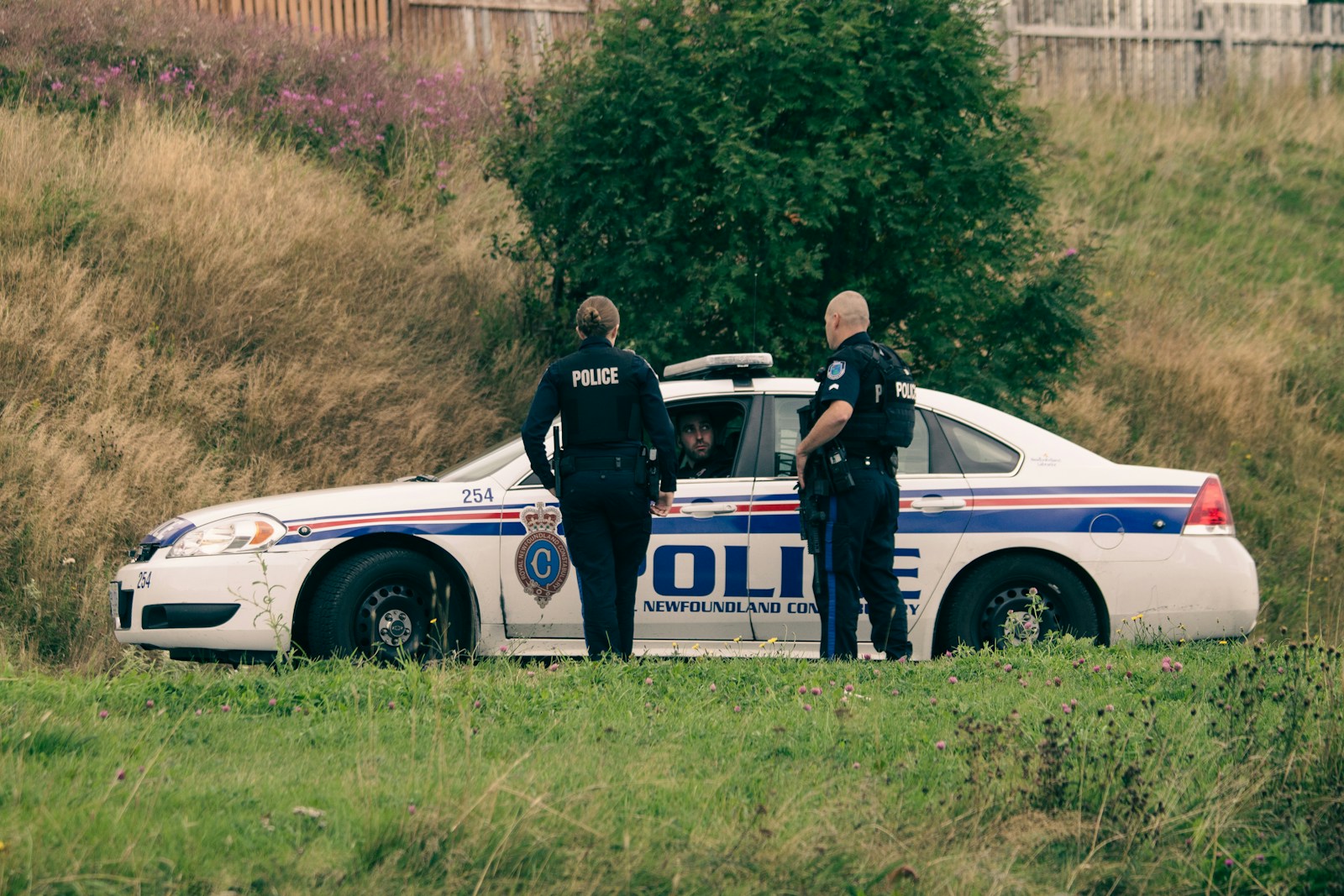
If the police have probable cause, they can search your glove compartment, even if it’s locked. Probable cause means they believe there’s evidence of a crime inside.
This applies whether they suspect drugs, weapons, or other illegal items. So, locking your glove box doesn’t guarantee privacy if they have enough reason to search it.
Trunk during a traffic stop with reasonable suspicion
If an officer has reasonable suspicion that something illegal is in your trunk, they may ask to search it. This suspicion has to be based on facts, like the smell of drugs or visible illegal items.
You don’t have to agree to the search, but if the officer has probable cause, they can search without your consent. Without reasonable suspicion or probable cause, they usually can’t open your trunk during a traffic stop. It’s important to know your rights in these situations.
Under seats if linked to suspected evidence
Police can search under your car seats if they have a good reason to believe there’s evidence connected to a crime hidden there. It’s not just a random spot; there needs to be probable cause.
For example, if they find something suspicious during a stop, looking under seats for related items is allowed. But if there’s no clear connection to the suspected evidence, they can’t just rummage through that area.
Center console with your consent or probable cause
The center console is a common spot police might want to check. They can only open it if you say it’s okay or if they have probable cause—a good reason to believe there’s evidence of a crime inside.
Without your consent or probable cause, officers usually can’t just rummage through there. It’s one of those areas linked closely to your personal space, so your permissions matter a lot. If you’re unsure, it’s okay to ask if they have a warrant or legal reason before they reach for the console.
Door pockets if officers suspect illegal items
If officers have a reasonable suspicion that illegal items are hidden in your car’s door pockets, they can search them. This usually means they believe there’s a weapon, drugs, or other contraband.
Without that suspicion, they can’t just rummage through your door pockets. Your privacy over those small compartments matters unless they have probable cause or an exception applies.
So, if you’re stopped and the officer asks to check your door pockets, know they need a valid reason to do so. Otherwise, you can refuse a search.
Passenger compartments if there’s a valid reason
Police can search the passenger compartment of your car if they have probable cause. This means they need a solid reason to believe there’s evidence or illegal items inside.
They don’t need a warrant if the car is ready to move and the reason holds up. However, they can’t just randomly search passengers or their belongings without specific suspicion.
If they think a passenger is dangerous or involved in a crime, a quick frisk may be allowed. Otherwise, your rights still protect you from unreasonable searches inside the car.
Locked containers if keys or codes are accessible
If the police have access to the keys or codes for your locked containers, they can open them without any legal issue. This is because the container becomes effectively unlocked to them once they have a way in.
It doesn’t matter if the container was initially locked; having the means to open it gives them permission to see what’s inside. So, if you keep keys or codes handy, be aware that officers can use those to search locked boxes or compartments in your car.
Electronic devices typically can’t be searched without a warrant
If the police find your phone or laptop in your car, they usually can’t just start searching through it. Your electronic devices are treated differently because they hold a lot of private information.
In most cases, officers need to get a warrant before digging into your digital stuff. There are exceptions, but those are pretty specific and don’t happen every day. So, unless they have a warrant, your phone and other devices should stay off-limits during a vehicle search.
Closed bags or backpacks with probable cause or consent
If an officer has probable cause, they can search your closed bags or backpacks in your car without a warrant. This means if they believe your bag holds evidence or illegal items, they’ve got the legal right to look inside.
You can also give your consent to let them search. If you don’t agree, officers usually need probable cause or a warrant to go through your stuff. Remember, you’re not required to say yes if they just ask.
Areas where contraband could reasonably be hidden
Police can search any part of your car where they believe contraband might be hidden. This includes glove compartments, under seats, door pockets, and even inside containers like bags or boxes.
The search isn’t unlimited. They can’t just rummage through areas unlikely to hold evidence. The key is whether it’s reasonable to think something illegal could be concealed there.
So, if an officer has probable cause, expect them to check spots where small or hidden items might fit.