
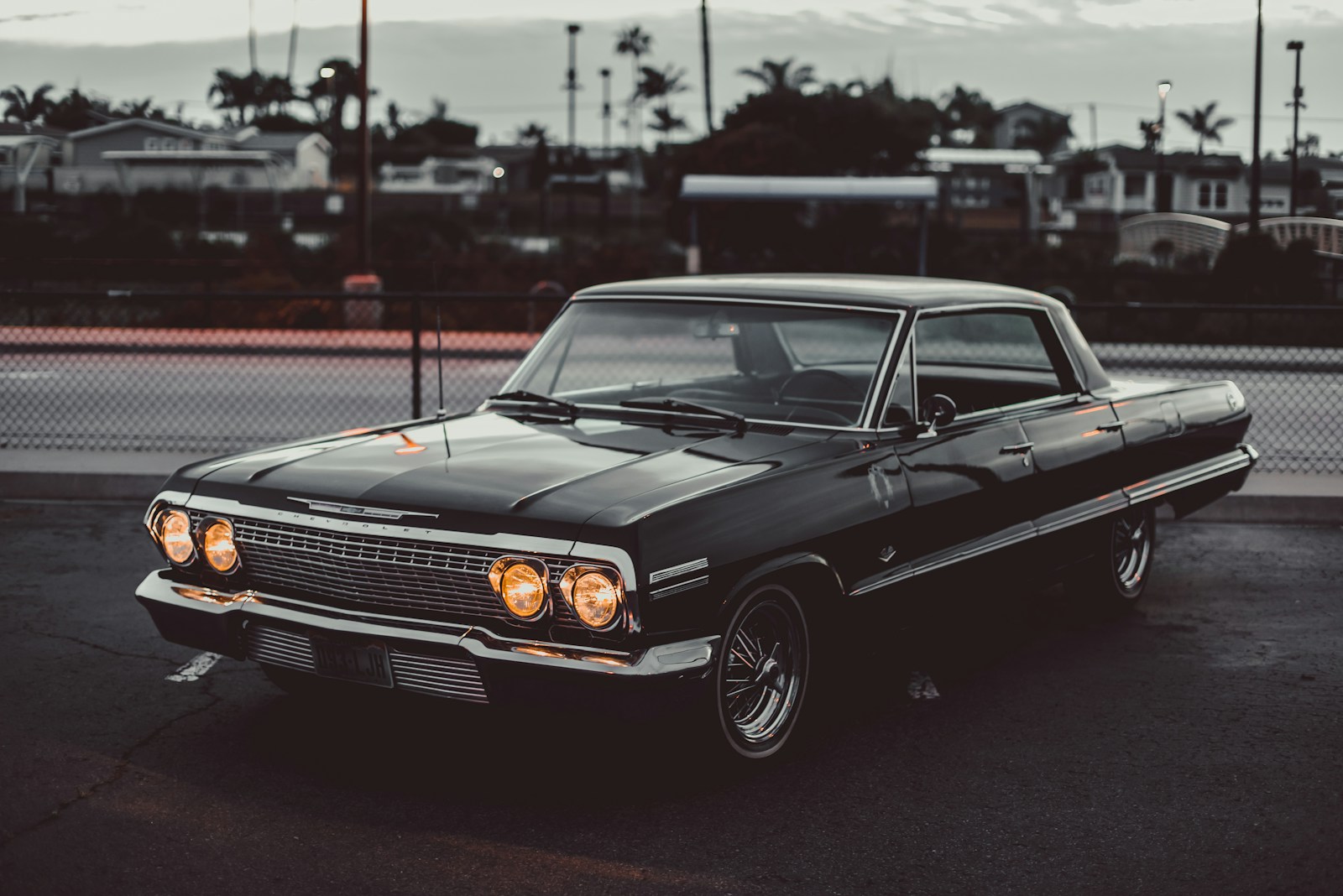

European exotica has a reputation for delicate engineering and high-strung engines, but some of the continent’s most memorable sports cars were hiding very American hearts. When small builders needed big power without big development budgets, they went shopping in Detroit instead of designing their own V8s from scratch. The result was a run of cars that mixed European style with American muscle in a way that still feels slightly rebellious today.
I want to walk through that unlikely partnership, from Italian coachbuilders raiding U.S. parts bins to British grand tourers and even modern supercars that quietly rely on American blocks. Underneath the romance and nostalgia, there is a very practical story about cost, reliability, and the simple appeal of a big, lazy V8.
Why Europe Went Shopping In Detroit
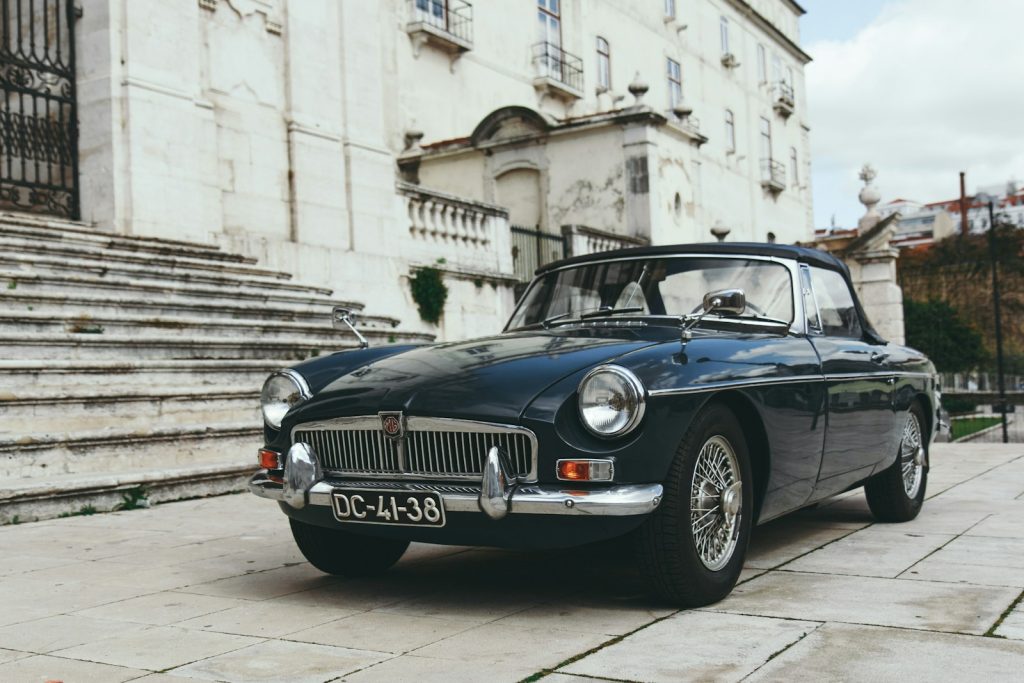
For a lot of postwar European makers, the math was brutal: they could either spend fortunes developing a clean-sheet engine or bolt in something proven and focus their limited cash on design and chassis work. If a small European firm wanted an engine for its new car, it was often to America they looked, because mass production kept prices low and parts easy to source, even across an ocean. That is why so many niche brands ended up pairing hand-finished bodies with off-the-shelf American V8s, turning cost pressure into a performance advantage that let them build genuinely fast cars without factory-scale budgets, a pattern that shows up clearly in the way European firms looked to America for power.
Out of America’s many contributions to the automotive world, the big-cube V8 might be the most influential export, and the vast majority of Detroit engines that crossed the Atlantic came from just a few families of blocks. When you look at the greatest European sports cars with American engines, you keep running into the same names, because the vast majority of Detroit iron that made the trip was either small-block Chevrolet or Ford V8 hardware, and a lot of the game went for American Ford units that could take abuse on track and still idle in traffic. That repeat casting list is why so many different cars, from Italian coupes to British bruisers, share a common mechanical accent even if their badges and bodywork could not be more different, a pattern laid out in detail in lists of the Greatest European Sports Cars with American Engines.
Italian Style, Yankee Thunder
Italian builders were some of the earliest and most enthusiastic adopters of American V8s, and they did it with their usual flair. For quite a while, Italian sports car manufacturers had a thing for yankee V8s, especially when they wanted to offer supercar performance without the cost of a bespoke twelve cylinder, and that is how you ended up with sleek gran turismos that looked every bit as exotic as anything from Modena but rumbled like a muscle car at idle. That mix of Latin design and Detroit displacement is exactly what made six beautiful Italian sports cars that packed American V8 muscle so memorable, because the cars were pure Italian to look at yet very American to drive, a contrast captured in the way Italian manufacturers chased yankee V8s.
Some of the wildest examples came from small-volume makers that treated the engine bay like a plug-and-play slot for American hardware. The Bizzarrini 5300 Gt Strada is a perfect case study, a low, aggressive coupe that wrapped sharp Italian lines around a Chevrolet V8, and it sits on the same family tree as other European Cars With American Power like the De Tomaso Mangusta, which also relied on U.S. muscle to hit serious top speeds. When you read through the roll call of seven European Cars With American Power, you see how often Italian names pop up, because they were unashamed about raiding American parts bins if it meant their cars could run with the best from Ferrari and Lamborghini on the autostrada.
Grand Touring: Facel Vega, Iso Grifo And Their Peers
Once you move into the grand touring world, the American influence gets even more explicit, because these cars were built to cross continents at speed with a trunk full of luggage and a cabin full of leather. French maker Facel Vega is a textbook example, launching its luxury coupes at glamorous European shows while quietly relying on big American engines to deliver the effortless thrust its wealthy buyers expected, and that formula has aged well enough that surviving examples are not cheap today. In fact, when you look at how often Facel Vega appears in rundowns of Times American Engines Powered Europe’s Elite Sports Cars, you can see how central that American heart was to the brand’s identity, even if the styling and clientele were pure European high society.
The Iso Grifo took a similar path but leaned even harder into the performance side of the equation, pairing crisp Italian bodywork with muscular American power so it could run with contemporary supercars while still being relatively straightforward to service. Produced from 1965 until around 1974, the Iso Grifo comes from the same origins as the famous Iso Iset microcar, which makes its transformation into a low-slung V8 GT even more striking, and its long nose with partially covered headlamps framed a bay built around American hardware rather than a delicate European engine. That blend of humble roots and high-speed ambition is why the Iso Grifo Specs still fascinate enthusiasts, because the car shows how a company that once built tiny city runabouts could, with the right American V8, step into the same conversation as the era’s most serious GTs.
British Bruisers And The AC Cobra Effect
Across the Channel, British builders were just as happy to bolt American engines into their creations, especially when they wanted to move beyond the modest power of traditional inline fours and sixes. Back in the 1950s and 1960s, slotting an American V8 into a European styled car was almost a genre of its own, and the AC Cobra is the poster child for that approach, taking a lightweight British roadster and turning it into a fire-breathing monster with a Ford V8. That “no replacement for displacement” mindset shaped a whole generation of cars, and you can see it in a long list of European classics with Detroit V8 hearts that followed the same recipe.
The British did not stop with open-top roadsters either, they built full-blooded GTs that leaned on American power to punch above their weight. Although it always remained a niche brand in America Jensen Motors is one of the most notable defunct names in the Brit car world, and its Interceptor line is a perfect example of a British chassis wrapped around a big American engine to create a relaxed but rapid cruiser. That approach, pairing a comfortable cabin and understated styling with a burly V8, shows up again and again in rundowns of 10 British Classic Cars that have American V8 engines, and it underlines how much the U.S. powertrain industry shaped what we think of as classic British performance.
From Track Specials To Modern Supercars
What started as a postwar workaround eventually became a full-blown performance philosophy, especially in motorsport and low-volume specials. Post war, the practice became more widespread as tuners and small constructors realized they could build very quick cars by combining lightweight European chassis with pure American grunt, and South London Ford agent and part-time racing and trials driver Sydney Allard was one of the early masters of that cocktail. His approach, which mixed simple but effective frames with big V8s, helped set the template for a whole wave of high performance cars in Europe that treated the engine as a plug-in module, a pattern that still echoes in modern discussions of when European style meets American grunt.
The idea did not die with carburetors and chrome bumpers either, it quietly slipped into the supercar era, where some of the most extreme machines on the planet still rely on American muscle car DNA. The Koenigsegg CCR is a great example, the CCR is the car responsible for taking over the top speed crown from the McLaren F1, and powering this Swedish missile is an engine that traces its architecture back to a Ford V8 rather than a bespoke European design. That kind of parts-bin pragmatism shows up in more than one modern exotic, and when you look at lists of supercars you did not know have a muscle car V8 engine, it becomes clear that the old habit of mixing European styling with American blocks never really went away, it just got better hidden under carbon fiber and active aero.
Why The Formula Still Works
Even now, when hybrid systems and turbocharged downsizing dominate spec sheets, the logic that once pushed European builders toward American engines still holds up. Development costs for a clean-sheet powertrain are enormous, emissions and durability testing are brutal, and a proven American V8 can still offer a relatively affordable shortcut to serious performance, especially for low-volume brands that cannot amortize an engine program over hundreds of thousands of cars. That is why you still see modern tuners and boutique manufacturers quietly leaning on U.S. hardware, just as earlier generations of European firms looked to America when they needed reliable power in a hurry.
On the collector side, the appeal is just as strong, because these cars offer a rare mix of exotic looks and relatively approachable mechanicals. A De Tomaso Pantera, for instance, gives you mid engine Italian drama with a Ford V8 that any competent American shop can understand, and that practicality helps explain why the De Tomaso Pantera carries an Average Used Value of $103,000 in recent market surveys. When I look across this history, from Jun era Italian experiments to modern machines like the Koenigsegg CCR, what jumps out is how durable the basic idea has been: let Europe handle the style and chassis finesse, let Detroit supply the shove, and enjoy the best of both worlds every time you twist the key.
More from Wilder Media Group: