

I thought it would be simple: walk into the police station, ask for the body camera video from my traffic stop, and walk out with a link or a copy. You know, like asking for a receipt after you return something—maybe a little paperwork, but nothing dramatic. Instead, I got the bureaucratic version of “please take a number.”
The officer behind the desk was polite, even sympathetic, but the message was firm: they couldn’t just hand it over. If I wanted the footage, I’d need to file a formal public records request and wait—potentially weeks. Not because they were hiding something (at least, not openly), but because that’s “the process.”
The moment that made me ask for the video
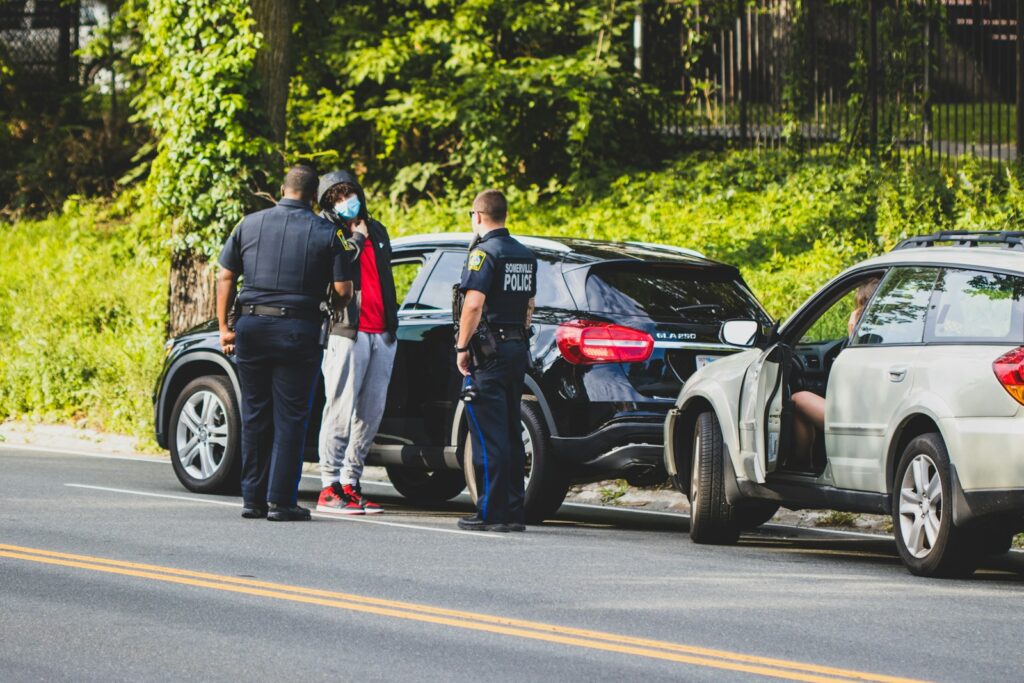
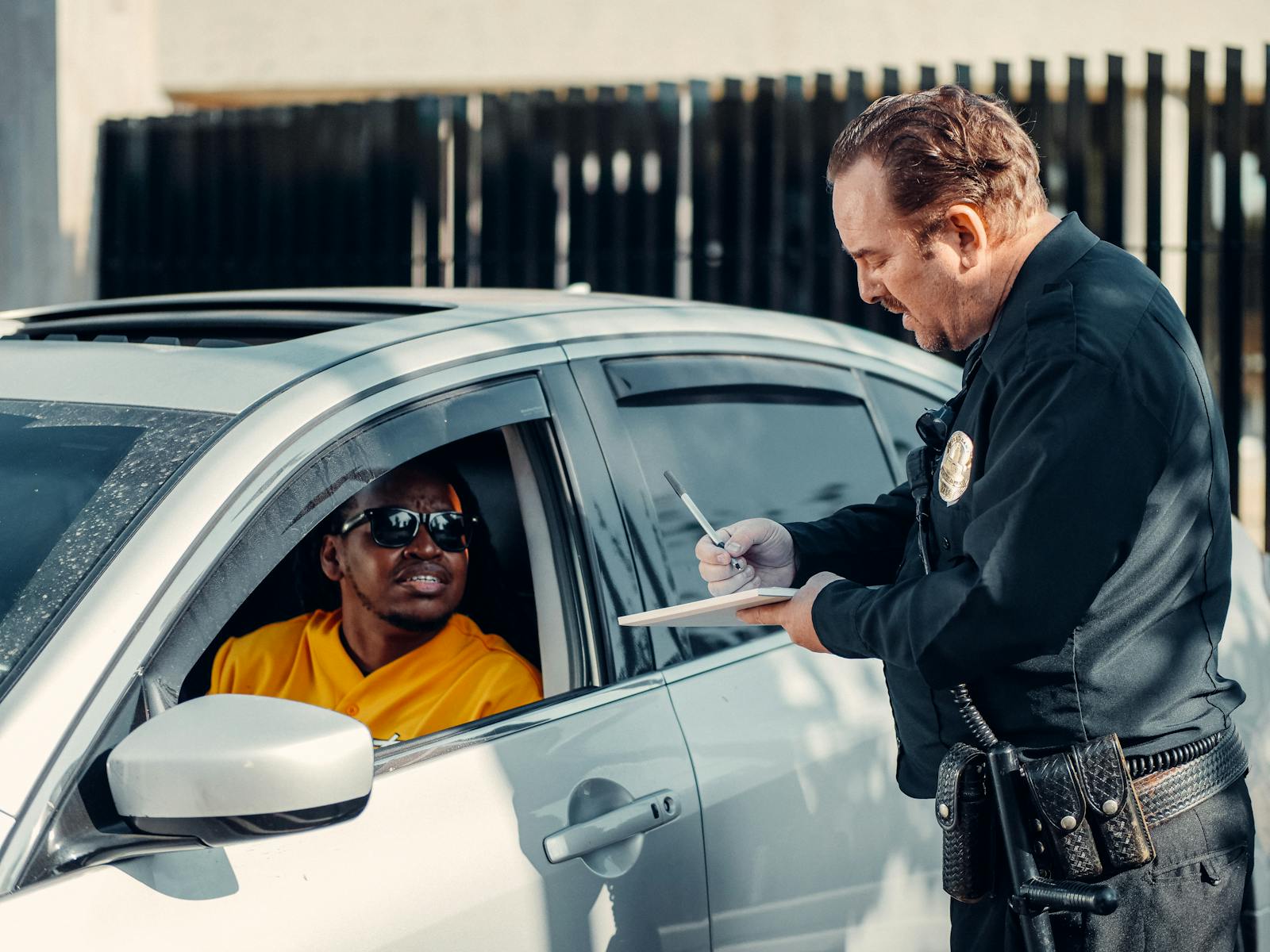
The traffic stop itself wasn’t some movie-scene showdown. It was the usual lights-in-the-mirror, pull over, heart rate jumps for no good reason, and then a conversation where you’re trying to sound calm while your brain replays every driving decision you’ve made since 2009.
Afterward, I realized I wanted the footage for a basic reason: clarity. Maybe I misremembered something the officer said. Maybe I wanted to confirm the timeline. Or maybe—if you’ve ever felt that weird mix of stress and uncertainty after a stop—you just want the comfort of seeing what actually happened.
“We can’t release it here”—what I was told
At the station, I asked the straightforward question: can I get the body cam footage from my stop? The response was essentially, “Not directly.” The person at the front desk explained that body-worn camera video is treated like an official record, and releasing it usually goes through a records unit, not the lobby.
Then came the part that made my eyebrows climb: I’d need to submit a formal request, and it could take weeks. Not days. Weeks. I asked if there was any way to just watch it on-site, even briefly, and the answer was still no—at least not through the front desk in the moment.
Why it can take weeks (even when it feels like it shouldn’t)
This is the part that sounds like an excuse until you realize it’s sometimes legitimately complicated. Body cam footage often includes other people: passengers, bystanders, victims, kids, someone’s house number, someone’s face at the worst moment of their life. If an agency releases video, they may have to blur faces, mute audio, or redact identifying details, and that takes time.
There’s also the question of whether the stop is tied to an ongoing case, citation dispute, or investigation. If it is, agencies can have legal reasons to delay releasing it—or to deny certain portions altogether. And even when none of that applies, records departments are often understaffed, juggling a backlog that includes everything from crash reports to major-incident footage that’s all over the news.
The quiet shift: body cam video is “your interaction,” but not “your file”
Here’s the weird emotional twist: it’s footage of you, but it doesn’t feel like you have any direct control over it. Most departments treat body cam video as government property and a government record. That means access is usually governed by public records laws, agency policy, and a redaction process—not by what seems fair in the moment.
And to be clear, there are good privacy reasons for that approach. Still, it’s jarring when the video is from a routine stop and you’re simply asking to see what was recorded. In 2026, when I can pull up my grocery receipts on an app from two years ago, waiting weeks for a clip of my own traffic stop feels… a little behind the times.
What a “formal records request” usually looks like
The person at the desk told me I’d need to file a public records request (often called a FOIA request, though the name varies by state). Typically, you provide the date, approximate time, location, officer name (if you have it), incident or case number, and specify what you’re seeking—body cam, dash cam, audio, dispatch logs, and so on.
Some agencies let you submit requests online, which is great because nothing says “modern governance” like not having to fax something. Others still require email, mail, or an in-person form. And yes, fees can come up—sometimes for copying, sometimes for staff time, sometimes for redaction work—depending on local rules.
Tips if you’re planning to request footage
First, be specific. “The body cam footage from my traffic stop last month” is a lot harder to process than “Body-worn camera video from Officer X on Jan. 12, 8:40–9:05 p.m., stop near Elm and 3rd, citation number ####.” The more you can narrow it down, the less time they spend hunting for it—and the fewer reasons there are for delays.
Second, ask what else exists. Many stops involve dash camera video, audio, or CAD logs (computer-aided dispatch notes). If you’re trying to understand what happened, those can matter just as much as the body cam angle, which sometimes points at the ground while someone adjusts their vest.
Third, if time matters, say so and explain why. Agencies won’t always speed it up, but a clearly stated reason—like an upcoming court date—can sometimes help prioritize. And if they deny or delay, ask what the appeal process is, because most records systems have one even if they don’t advertise it enthusiastically.
Transparency vs. reality: the tension nobody loves
Body cameras were sold to the public as a transparency tool, and in many ways they are. But transparency doesn’t automatically mean convenience. The footage is real evidence, real public record, and real privacy risk all at once—which turns a simple request into something that gets handled like it’s radioactive.
Still, it’s fair to ask whether the system could be better. When a person requesting video is the person in the video, there’s a strong argument for a faster, clearer path—something more like “here’s how you verify your identity and get a copy,” and less like “see you in three to six weeks.”
What happened next
I filed the request, because of course I did. I included every detail I had, kept the wording tight, and asked for both body cam and dash cam footage. Then I did what everyone does in 2026 when confronted with a slow process: I checked my email way too often and tried not to spiral into worst-case theories.
In the end, what stuck with me wasn’t anger so much as surprise at how normal this is. If you’ve never asked for police video before, you might assume it works like getting a copy of a receipt or a medical record. It doesn’t. It works like government—polite, procedural, and moving at the speed of a very careful turtle.
More from Steel Horse Rides: