

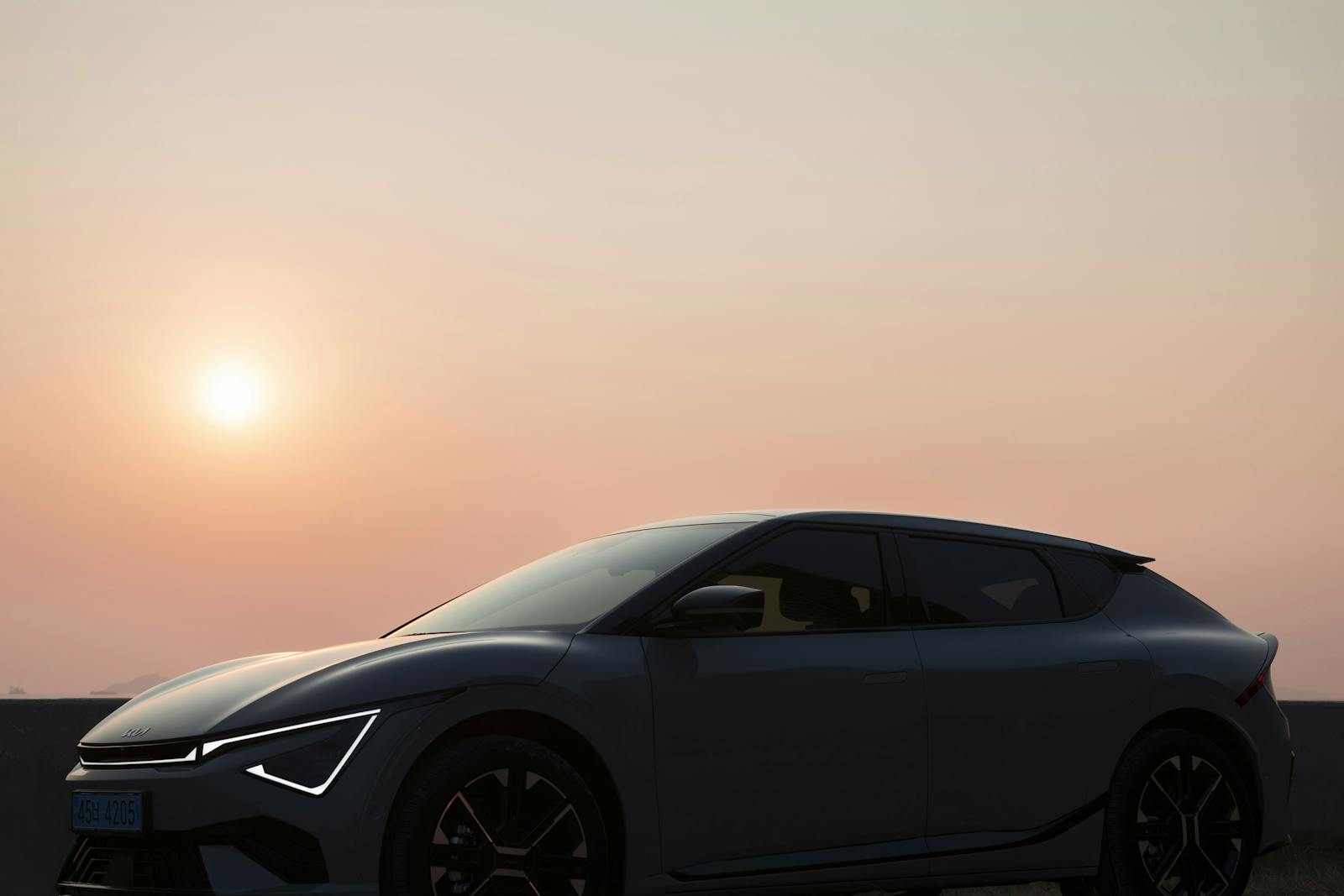
As electric vehicle (EV) sales continue to gain momentum in 2023, several automakers are emerging as leaders in the growing market, significantly impacting the future of transportation. With the global shift towards sustainability and reduced emissions, understanding which companies are excelling in this arena is crucial for consumers, investors, and policymakers alike. According to the latest industry reports, EV sales have surged by 60% in the past year, underscoring the urgent need for automakers to adapt to changing consumer preferences and regulatory pressures.
Leading the Charge: Tesla’s Dominance
At the forefront of the EV revolution is Tesla, which continues to solidify its position as the market leader. In the first half of 2023, Tesla delivered over 500,000 vehicles, accounting for approximately 20% of all EV sales in the United States. The company’s Model Y and Model 3 remain the best-selling electric vehicles, appealing to a wide range of consumers with their performance and technology.
Despite facing increasing competition, Tesla’s focus on innovation, including its advancements in battery technology and autonomous driving features, keeps it ahead. The company has also expanded its production capabilities with new gigafactories, significantly boosting its output capacity and meeting growing demand.
Traditional Automakers Catching Up
While Tesla leads the charge, traditional automakers are quickly ramping up their electric offerings. Ford, for instance, has seen remarkable success with its all-electric Ford F-150 Lightning. Launched in 2022, the Lightning has already captured a significant share of the electric truck market, with over 15,000 units sold in the first quarter of 2023 alone. Ford aims to produce 2 million EVs annually by 2026, reflecting its commitment to electrification.
General Motors (GM) is also making substantial strides, with its Chevrolet Bolt EV and upcoming models like the GMC Hummer EV. GM reported a 50% increase in EV sales in the first half of 2023, as the company transitions toward an all-electric future with plans to invest $35 billion in EV and autonomous vehicle development through 2025.
Emerging Contenders: Rivian and Lucid Motors
New entrants like Rivian and Lucid Motors are challenging established players with their innovative designs and high-performance vehicles. Rivian’s R1T electric truck has garnered significant attention, with over 20,000 deliveries since its launch in 2021. The company aims to produce 50,000 vehicles by the end of 2023, signaling its ambition to carve out a niche in the competitive EV market.
Lucid Motors, known for its luxury electric sedan, the Lucid Air, is also gaining traction. The vehicle boasts an impressive range of over 500 miles on a single charge, appealing to consumers looking for high-end performance. Lucid reported over 7,000 deliveries in 2023, with plans to expand its production capacity to meet growing demand.
Global Perspectives: China’s Dominance
China remains a dominant player in the global EV market, with manufacturers like BYD, NIO, and Xpeng rapidly expanding their reach. BYD has emerged as the world’s top EV manufacturer, selling over 1.5 million electric vehicles in 2022 alone. The company’s diverse lineup, which includes affordable options as well as luxury models, caters to a broad consumer base.
Chinese automakers are also focusing on battery technology, with many investing heavily in lithium-ion and solid-state batteries. This emphasis on innovation not only drives down costs but also enhances vehicle performance, making these companies formidable competitors on the world stage.
Challenges Ahead: Supply Chain and Regulations
Despite the progress made by various automakers, the EV industry faces several challenges that could impact future growth. Supply chain disruptions, particularly in semiconductor availability and battery materials, have led to production delays and increased costs. Additionally, regulatory changes in key markets, such as stricter emissions targets and incentives for EV purchases, may alter the competitive landscape.
Manufacturers are also grappling with consumer concerns over range anxiety, charging infrastructure, and the overall cost of ownership, which can deter potential buyers. Addressing these issues will be critical for automakers looking to expand their market share.
The Road Ahead
The race to dominate the EV market is intensifying, with traditional automakers and new entrants alike striving to capture consumer interest. As of mid-2023, Tesla remains the leader, but companies like Ford and GM are gaining ground with compelling new models and ambitious production targets.