


As the automotive market faces a significant downturn in 2025, certain vehicles are proving resilient and retaining their value better than others. This trend impacts consumers looking to buy or sell used cars, as well as dealerships navigating a challenging economic landscape. Understanding which models are still holding their worth is crucial for maximizing investment in an uncertain market.
Market Overview: The 2025 Downturn
The automotive industry is experiencing a downturn in 2025, marked by a 15% drop in new car sales compared to the previous year, according to industry reports. Factors contributing to this decline include rising interest rates, inflation, and supply chain disruptions, which have all led to increased costs for consumers. As a result, many buyers are opting for used vehicles, creating a shift in demand that affects resale values.
Top Cars Retaining Value
Despite the challenging market conditions, several vehicle models have shown remarkable resilience. The 2021 Toyota RAV4, for example, is one of the top performers, retaining nearly 70% of its original value. This compact SUV is favored for its reliability, fuel efficiency, and spacious interior, making it a popular choice among families and commuters alike.
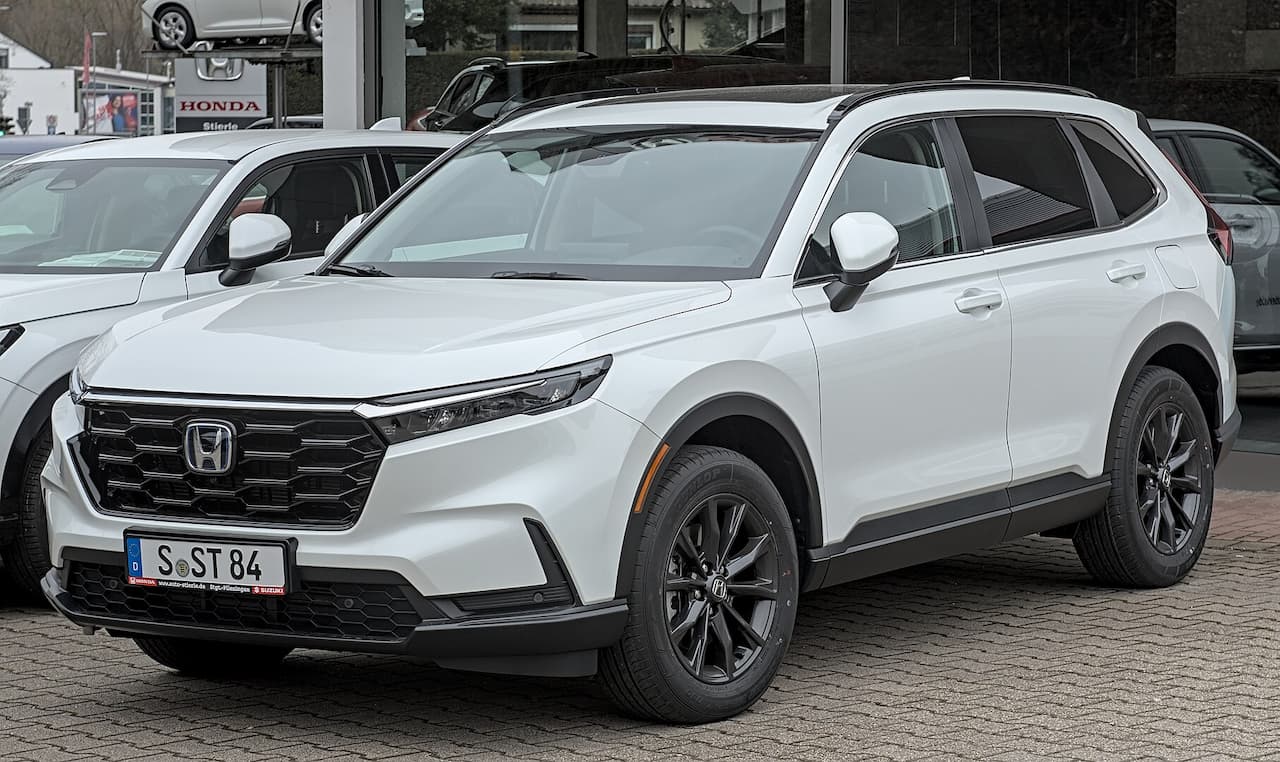
Another strong contender is the 2020 Honda CR-V, which has retained approximately 65% of its value. Known for its comfortable ride and excellent safety ratings, the CR-V continues to appeal to buyers, helping it maintain a competitive resale price. Additionally, the 2021 Subaru Outback has held onto around 62% of its value, largely due to its ruggedness and versatility, which attract outdoor enthusiasts.
Luxury Models That Are Holding Strong
In the luxury segment, the 2020 Lexus GX is noteworthy, maintaining about 64% of its original value. This luxury SUV is recognized for its off-road capability and premium features, making it a desirable option for affluent buyers. Similarly, the 2021 Porsche Macan has held onto approximately 61% of its value, thanks to its brand prestige and sporty performance.
Another luxury model making waves is the 2021 BMW X5, retaining nearly 60% of its value. With its combination of performance, technology, and luxury, the X5 continues to attract buyers looking for a high-end SUV experience, which helps preserve its resale value.
Factors Contributing to Value Retention
Several factors contribute to the ability of certain cars to hold their value even in a downturn. Reliability is key; vehicles known for their durability often see better resale prices. Additionally, brand reputation plays a major role. Brands like Toyota and Honda have established a strong track record for building long-lasting vehicles, which directly impacts consumer trust and resale values.
Another significant factor is market demand. Cars that are versatile and meet a wide range of consumer needs, such as fuel efficiency and practicality, tend to retain their value better. For example, compact SUVs and crossovers are in high demand, as they appeal to a broad audience—families, young professionals, and individuals alike.
Regional Variations in Resale Values
It is also essential to consider regional variations when assessing vehicle resale values. In urban areas, compact and fuel-efficient models tend to fare better due to higher fuel prices and limited parking space. Conversely, in rural regions, larger vehicles like pickups and SUVs may hold more value due to their utility and capability on varied terrains.
For instance, the 2021 Ford F-150 remains a top choice in many rural areas, retaining around 61% of its value thanks to its reputation as a dependable workhorse. This model continues to attract buyers who need a reliable vehicle for both work and leisure, illustrating how regional preferences can influence the market.
Advice for Buyers and Sellers
For consumers looking to buy or sell vehicles during this downturn, understanding the market dynamics is essential. Sellers should consider listing models known for retaining value, as they are likely to attract more interest and fetch higher prices. On the other hand, buyers should focus on purchasing vehicles with proven resale value to ensure their investment remains solid over time.
Additionally, it is advisable to keep an eye on market trends and fluctuations. As economic conditions evolve, so too will the factors influencing vehicle values. Regularly checking resources like Kelley Blue Book or Edmunds can help both buyers and sellers make informed decisions.
Conclusion: Stay Informed and Act Now
The 2025 automotive downturn underscores the importance of selecting vehicles that maintain their value. With several models, including the Toyota R