

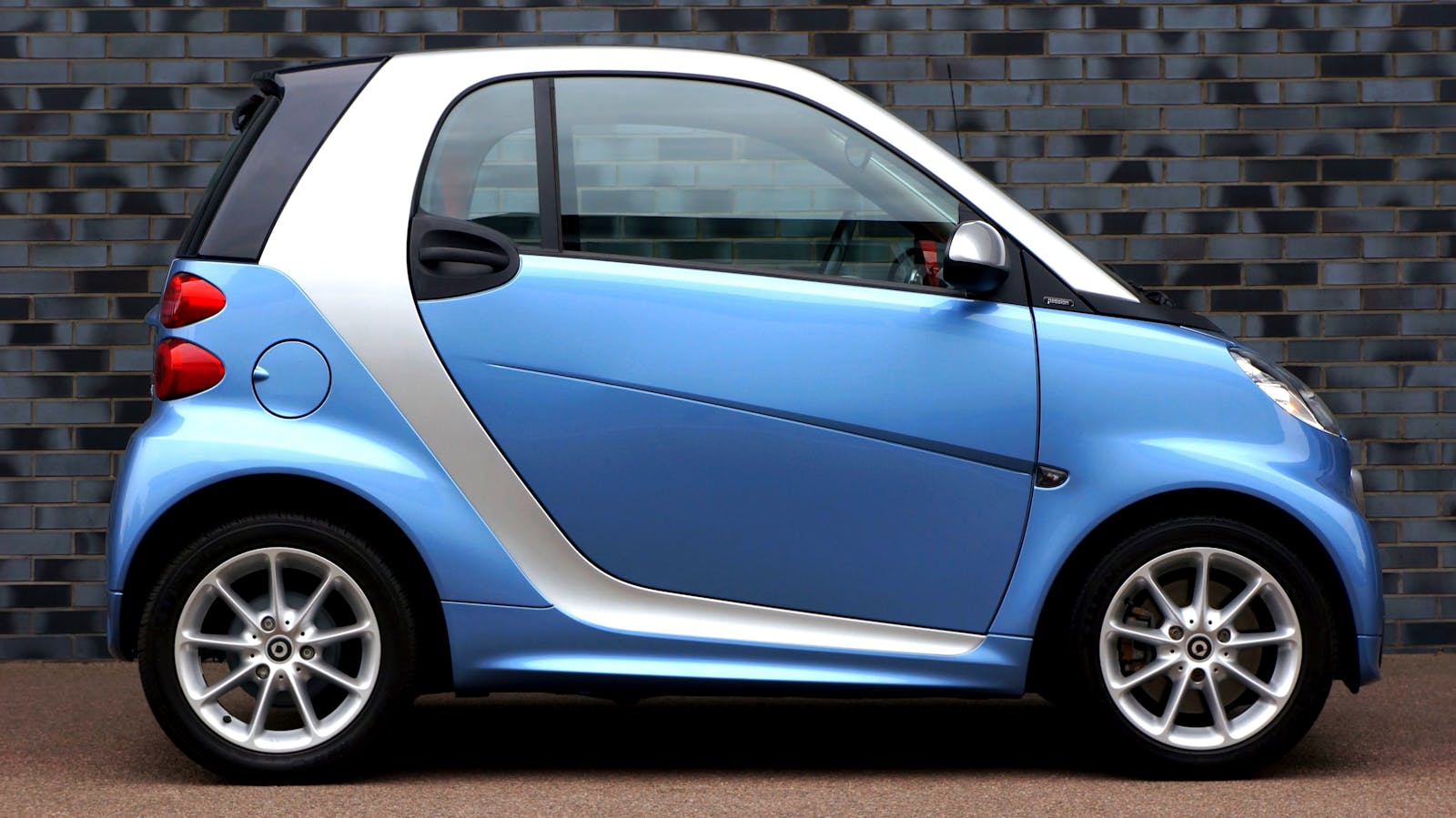
Despite a growing trend towards compact vehicles due to rising fuel prices and environmental concerns, many Americans continue to prefer larger cars, particularly SUVs and trucks. This preference affects not only consumer spending habits but also has broader implications for the automotive industry and the environment.
Current Trends in Vehicle Sales
As of the first quarter of 2023, sales data revealed that SUVs and trucks accounted for approximately 75% of new vehicle sales in the United States. This marks a significant shift away from sedans and compact vehicles, which have seen a decline in popularity. For instance, sales of the Honda Accord dropped by 26% in 2022, whereas the Ford F-150 continues to be one of the best-selling vehicles, boasting over 650,000 units sold last year alone.
Fuel Prices and Consumer Behavior
While fuel prices have surged, averaging around $4.00 per gallon in many parts of the country, many consumers still opt for larger vehicles. A survey conducted by the American Automobile Association (AAA) indicated that nearly 60% of respondents would not consider downsizing their vehicle, even in the face of high fuel costs. This reluctance is attributed to a combination of perceived safety, comfort, and practicality associated with larger vehicles.
Perceptions of Safety and Comfort
Safety remains a key factor influencing Americans’ vehicle choices. Larger vehicles are often perceived as safer due to their size and weight, which can better protect occupants in the event of a collision. Additionally, many consumers value the comfort and space that SUVs and trucks offer, making them more appealing for families and those who frequently travel long distances.
Environmental Concerns vs. Consumer Preferences
The growing awareness of climate change and environmental issues has prompted calls for more fuel-efficient vehicles. However, the market response has been mixed. Although automakers are introducing electric and hybrid models, such as the 2022 Ford Mustang Mach-E and the Tesla Model Y, consumer demand for traditional SUVs and trucks remains robust. A report from the Environmental Protection Agency (EPA) highlighted that fuel economy standards are improving, yet sales of larger vehicles continue to dominate.
Impact on the Automotive Industry
The ongoing preference for larger vehicles is reshaping the automotive industry. Manufacturers are increasingly focusing on producing SUVs and trucks, often at the expense of sedans. For example, General Motors announced plans to discontinue several sedan models, including the Chevrolet Malibu, to allocate resources towards their popular SUV lineup. This trend indicates that automakers believe consumer demand for larger vehicles will persist, despite economic and environmental pressures.
The Cost of Ownership
Owning a larger vehicle often comes with higher costs, not only in terms of fuel but also in maintenance and insurance. According to a recent analysis by Kelley Blue Book, the average cost of owning an SUV over five years can be nearly 20% higher than that of a sedan. Nevertheless, many consumers are willing to absorb these costs, viewing their larger vehicles as an investment in safety and convenience.
Future Outlook
As manufacturers continue to innovate, the automotive landscape may evolve. Electric SUVs and trucks are becoming more common, with models like the Rivian R1T and the Ford F-150 Lightning gaining traction in the market. However, consumer resistance to downsizing may slow the transition towards smaller, more efficient vehicles. Experts predict that even as fuel prices fluctuate, the allure of larger vehicles will remain strong among American consumers.
Conclusion: The Call to Action
As the automotive industry navigates these shifting consumer preferences, it is crucial for potential buyers to consider the long-term implications of their choices. With the ongoing impact of climate change and rising fuel costs, downsizing might be a more sustainable option. Consumers are urged to evaluate their needs and explore a range of vehicle options, including hybrids and electric models, to make informed decisions that align with both their lifestyle and environmental responsibilities.