

Why Baby Boomers Are Driving Up Prices of Vintage Trucks
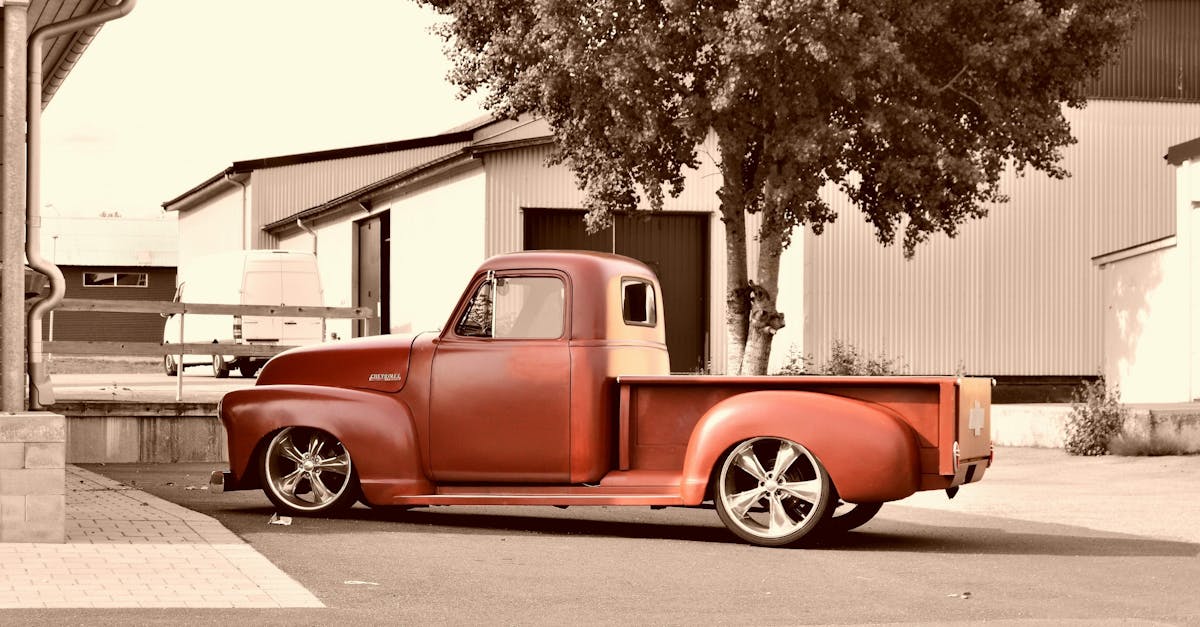
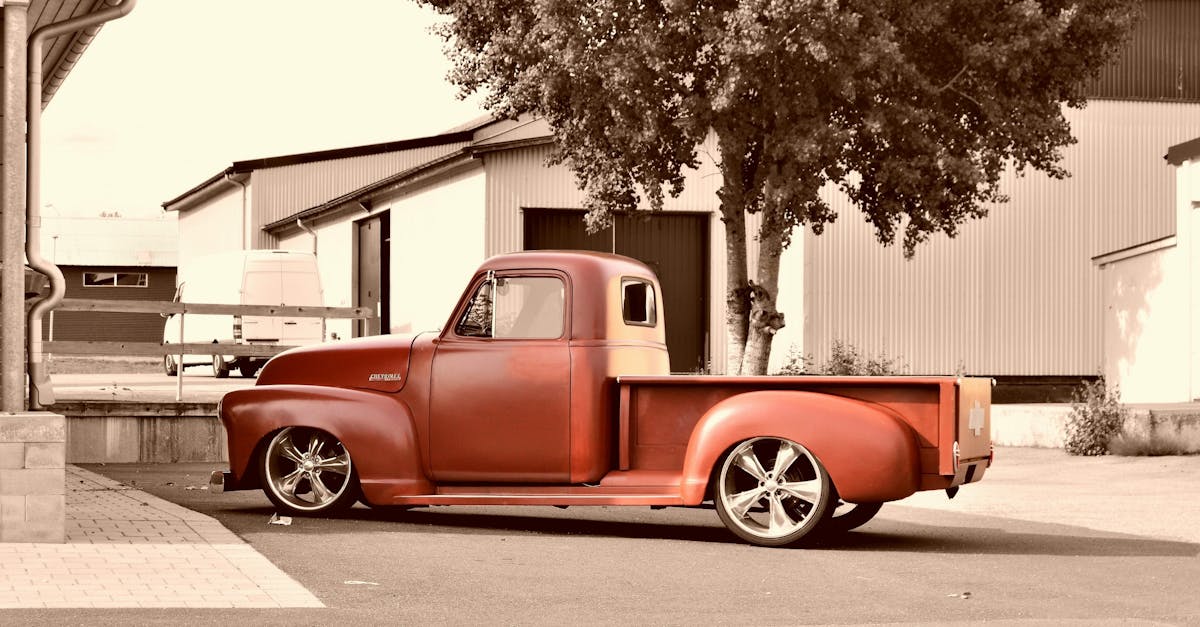
As the Baby Boomer generation increasingly enters retirement, a notable surge in demand for vintage trucks is leading to rising prices across the market. This trend primarily affects collectors, automotive enthusiasts, and everyday drivers who are looking for reliable, classic vehicles. With prices for models like the 1973–1987 Chevrolet C/K series and 1966 Ford F-100 reaching record highs, the implications stretch beyond nostalgia, impacting the overall automotive market.
Changing Demographics and Growing Interest
The Baby Boomer generation, individuals born between 1946 and 1964, has always had a strong affinity for classic cars, particularly vintage trucks that represent a significant part of American automotive history. As this demographic continues to retire, many are seeking to relive their youth by purchasing vehicles they once drove or admired. According to a report by classic car auction house Barrett-Jackson, the average sale price of vintage trucks has increased by 25% over the last three years, highlighting the growing interest among Boomers.
This demographic shift is not merely a nostalgic whim; it is also a reflection of changing lifestyle preferences. Many retirees are opting for road trips and outdoor adventures, making vintage trucks, with their rugged designs and ample cargo space, a popular choice. Moreover, the rising costs of new trucks, with the average price hovering around $48,000, further pushes buyers toward the vintage segment, where they can find quality vehicles for a fraction of the price.
Market Dynamics and Supply Constraints
The increasing demand for vintage trucks is met with limited supply, which further drives prices upward. Many classic models have been off the market for decades, and the number of well-preserved vehicles is dwindling. For example, the iconic 1980s Ford F-Series trucks are becoming increasingly rare, with low-mileage examples fetching prices upwards of $30,000 at auctions. Collectors are particularly interested in models that are in good condition or have been restored, which adds to the competition and raises price tags.
Additionally, the COVID-19 pandemic has played a role in this dynamic. As people sought new hobbies during lockdowns, interest in classic car restoration projects surged. This trend has not only increased demand but also spurred a rise in the number of people looking to sell their vintage trucks, creating a more competitive market environment.
The Impact on Younger Generations
The rising prices of vintage trucks are beginning to price out younger generations who may have previously considered purchasing these vehicles. Millennials and Gen Z, who are often more budget-conscious, find themselves unable to compete with Baby Boomers who have more disposable income. According to a recent survey by the Specialty Equipment Market Association (SEMA), 70% of younger consumers stated that they feel priced out of the classic car market, which could lead to a generation gap in automotive enthusiasm.
The situation is further complicated by the increasing costs of restoration and maintenance for older vehicles. As parts become harder to find and labor costs rise, the total investment required to own a vintage truck can be daunting. Consequently, younger buyers may be more inclined to purchase new, fuel-efficient vehicles rather than invest in a classic that requires significant financial commitment.
Environmental Considerations and Future Trends
Another factor influencing the vintage truck market is the growing emphasis on environmental sustainability. As the automotive industry shifts toward electric vehicles (EVs) and more eco-friendly options, vintage trucks, often equipped with older technology and less fuel efficiency, may face scrutiny. However, many enthusiasts argue that vintage trucks can be restored and retrofitted with more sustainable technologies, allowing them to remain relevant in an evolving market.
Despite environmental concerns, the allure of vintage trucks remains strong. Collectors are increasingly looking into hybrid or electric conversions for classic models, which could provide a sustainable path forward. This hybrid approach may also help bridge the gap between older and younger generations, allowing for a renewed appreciation of classic vehicles without compromising environmental values.
Conclusion: A Market in Flux
The vintage truck market is experiencing a complex interplay of demand, supply constraints, and evolving consumer preferences. As Baby Boomers drive up prices, the implications resonate through the automotive landscape, affecting collectors, younger buyers, and the future of classic vehicles. Those considering entering the vintage truck market should act swiftly, as prices are unlikely to stabilize anytime soon.
For automotive enthusiasts and potential buyers, now is the time to engage with this dynamic market. Whether you’re a seasoned collector or a newcomer interested in vintage trucks, staying informed and proactive can make all the difference in securing a classic vehicle before prices continue to rise. Don’t miss out on the chance to own a piece of