

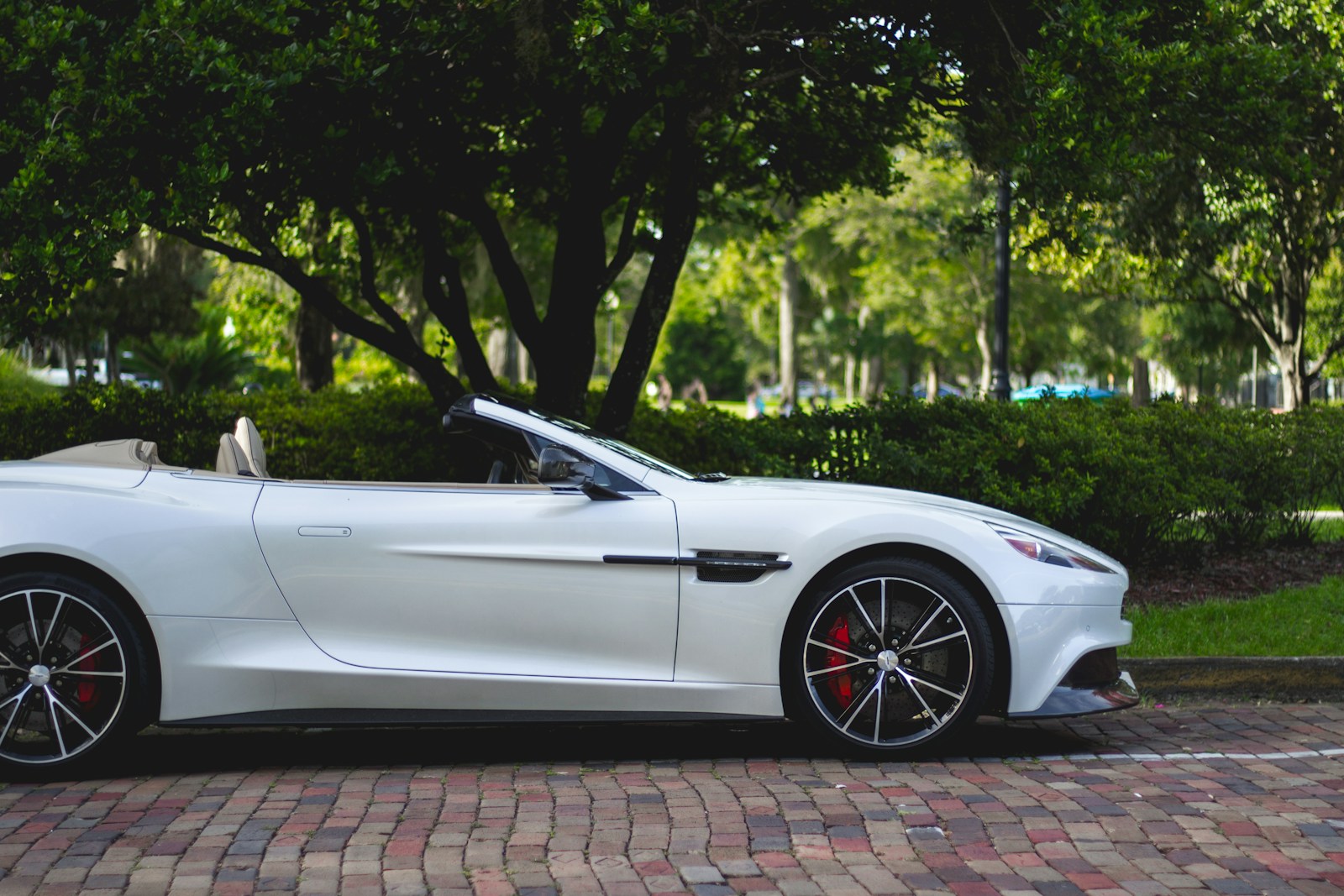
Despite the rise of electric vehicles and advanced technology in the automotive industry, Baby Boomers remain steadfast in their love for convertibles, with a 2022 survey indicating that 73% of convertible owners are aged 55 and older. This demographic’s enduring affection for these cars is rooted in nostalgia, lifestyle choices, and a desire for freedom on the open road. As the automotive market continues to evolve, understanding this trend sheds light on the ongoing appeal of convertibles among older generations.
Nostalgia Drives Demand
For many Baby Boomers, convertibles symbolize cherished memories from their youth. The 1960s and 1970s were marked by iconic models like the Ford Mustang and Chevrolet Camaro, which not only represented freedom but also served as cultural icons during a time of significant social change. According to a 2023 study by the Automotive Industry Association, 65% of Boomers cite nostalgia as a primary reason for their preference for convertibles, often recalling road trips, summer adventures, and first dates associated with these vehicles.
Lifestyle and Leisure
Convertibles have also become a lifestyle choice for many Boomers, who often prioritize leisure travel and enjoy the open-air experience. With retirement rates increasing, many Baby Boomers have more time to explore scenic drives and coastal highways, making the convertible an appealing option. A survey from the AARP highlighted that 58% of retirees consider travel a top priority, with many choosing to invest in vehicles that enhance their experience, such as models like the 2021 Mazda MX-5 Miata or the 2022 BMW Z4.
Performance and Comfort
Modern convertibles offer enhanced performance and comfort, addressing concerns that older drivers may have regarding safety and usability. The 2021 Ford Mustang Convertible, for example, features advanced safety technology and a powerful engine lineup, appealing to Boomers seeking both excitement and assurance. According to J.D. Power, convertible sales have seen a resurgence, with a reported 14% increase in sales from 2020 to 2022, largely driven by older consumers who prioritize quality and performance.
Community and Connection
Owning a convertible often fosters a sense of community among Boomers. Many participate in car clubs and attend events that celebrate classic and modern convertibles, creating social connections centered around their shared passion. Organizations like the Classic Car Club of America have reported growing membership numbers, with a significant portion of their members being Baby Boomers who enjoy the camaraderie that comes with convertible ownership.
Environmental Considerations
While environmental concerns are often associated with traditional gas-powered vehicles, many newer convertibles are now being designed with sustainability in mind. The 2022 Porsche 911 Cabriolet, for example, features a more fuel-efficient engine and reduced emissions compared to its predecessors. This shift has attracted environmentally conscious Boomers who want to enjoy the thrill of driving without compromising their values. The automotive industry is responding, with several manufacturers announcing plans to electrify their convertible lines in the coming years.
The Market Outlook
As of 2023, the convertible market remains robust, with estimates suggesting that it could reach $10.5 billion by 2025. This growth is likely influenced by continued interest from Baby Boomers and younger generations who are increasingly drawn to the convertible lifestyle. Manufacturers are taking note, ramping up production and introducing new models that cater to the tastes of both demographics.
Challenges Ahead
Despite the current love for convertibles, challenges loom on the horizon. Rising fuel prices, which saw a spike of over 30% in 2022, may deter some potential buyers from investing in less fuel-efficient vehicles. Additionally, increasing insurance costs for convertible models can also be a concern. A 2022 report indicated that insurance premiums for convertibles are, on average, 20% higher than their hardtop counterparts, leading some Boomers to reconsider their choices.
Conclusion: The Call to Action
As the automotive landscape continues to evolve, Baby Boomers have solidified their love for convertibles, driven by nostalgia, lifestyle choices, and a desire for community and connection. With the market showing strong signs of growth and manufacturers responding to this demand, the convertible remains a symbol of freedom and excitement for older drivers. As you consider your next vehicle purchase, take a moment to appreciate the unique appeal of convertibles and perhaps even test drive one yourself. The open road awaits.