

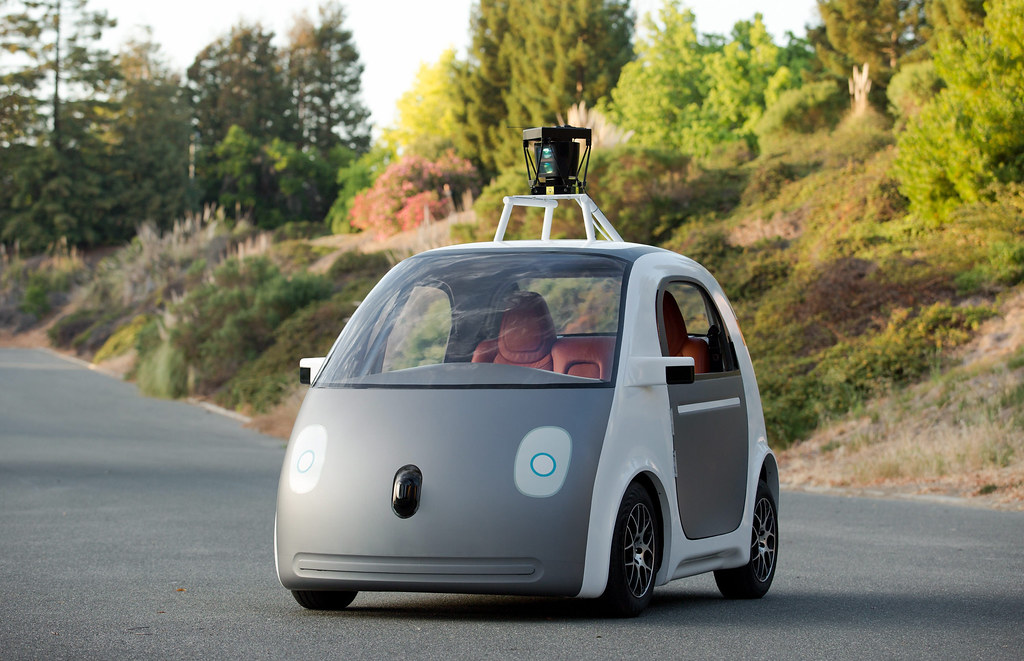
Despite significant advancements in automotive technology, a recent survey reveals that nearly 70% of Baby Boomers are unlikely to purchase self-driving cars. This reluctance affects not only the automotive market but also the broader landscape of mobility and transportation as manufacturers grapple with consumer preferences and the future of vehicle automation.
Understanding the Generational Divide
Baby Boomers, those born between 1946 and 1964, have a unique perspective on driving and vehicle ownership that shapes their aversion to self-driving technology. The survey conducted by the automotive research firm Edmunds indicates that only 30% of respondents aged 60 and above are open to buying a self-driving vehicle, compared to 54% of Millennials. This divide underscores differing attitudes toward technology and personal autonomy.
Concerns Over Safety and Control
One of the primary reasons Boomers cite for their reluctance is safety. Approximately 55% of Boomers expressed concerns about the reliability of autonomous systems, citing high-profile accidents involving self-driving cars, including the 2018 incident involving an Uber self-driving vehicle in Tempe, Arizona, which resulted in a pedestrian’s death. For many Boomers, the idea of relinquishing control over a vehicle to a machine raises significant safety concerns, particularly considering that many have spent decades behind the wheel.
Familiarity with Traditional Vehicles
Many Baby Boomers grew up during a time when driving was an integral part of life. They are accustomed to traditional vehicles and often prefer the tactile experience of driving. According to the same Edmunds survey, 63% of Boomers reported that they enjoy driving, while only 15% of them believe that self-driving technology can replicate the exhilaration of maneuvering a car themselves. This emotional attachment to driving influences their purchasing decisions and makes them hesitant to embrace automation.
Financial Considerations
Cost is another significant factor in the hesitation of Boomers toward self-driving cars. The average price of a fully autonomous vehicle, such as the 2022 Tesla Model S, can exceed $100,000 when fully equipped with advanced driver-assistance features. Many Boomers, particularly retirees on fixed incomes, may find it difficult to justify such an expense, especially when conventional vehicles can meet their needs at a fraction of the cost.
Technological Literacy and Adoption Rates
Technological literacy among Baby Boomers also plays a role in their reluctance to adopt self-driving cars. A report from the Pew Research Center indicates that only 25% of Boomers are comfortable using advanced technology in their daily lives, compared to 75% of younger generations. This gap in comfort level can hinder their willingness to adapt to new technologies, particularly those as complex as self-driving systems.
Market Implications for Automakers
The reluctance of Baby Boomers to embrace self-driving vehicles poses challenges for automakers aiming to increase sales and transition to more automated fleets. With Baby Boomers making up a significant portion of the automotive market, manufacturers like Ford and General Motors need to reassess their strategies. For instance, Ford’s 2023 F-150 Lightning electric pickup truck offers advanced driver-assist features but may not appeal to older buyers who prioritize traditional driving experiences over cutting-edge technology.
Potential Solutions and Strategies
To appeal to Baby Boomers, automakers may need to emphasize the benefits of self-driving cars beyond just convenience. Highlighting features that enhance safety, such as collision avoidance systems and adaptive cruise control, could help alleviate some concerns about relinquishing control. Additionally, offering educational resources and demonstrations may improve understanding and comfort with the technology, potentially shifting perceptions among older consumers.
The Future of Self-Driving Cars
As manufacturers continue to innovate, the future of self-driving cars remains uncertain. The current generation of self-driving technology is still in its infancy, and public acceptance will likely evolve. However, with Baby Boomers making up a substantial demographic, their hesitance could shape the development and marketing strategies of autonomous vehicles for years to come.
Conclusion: Addressing the Hesitation
For automakers and technology developers, understanding and addressing the concerns of Baby Boomers is crucial for the successful integration of self-driving cars into the market. With safety, familiarity, and cost being primary factors in their purchasing decisions, targeted strategies could help bridge the generational divide in vehicle technology acceptance. As the automotive industry moves forward, it is essential to consider the voices of all consumers, especially those who have traditionally driven the market.
As the debate over self-driving cars continues,