

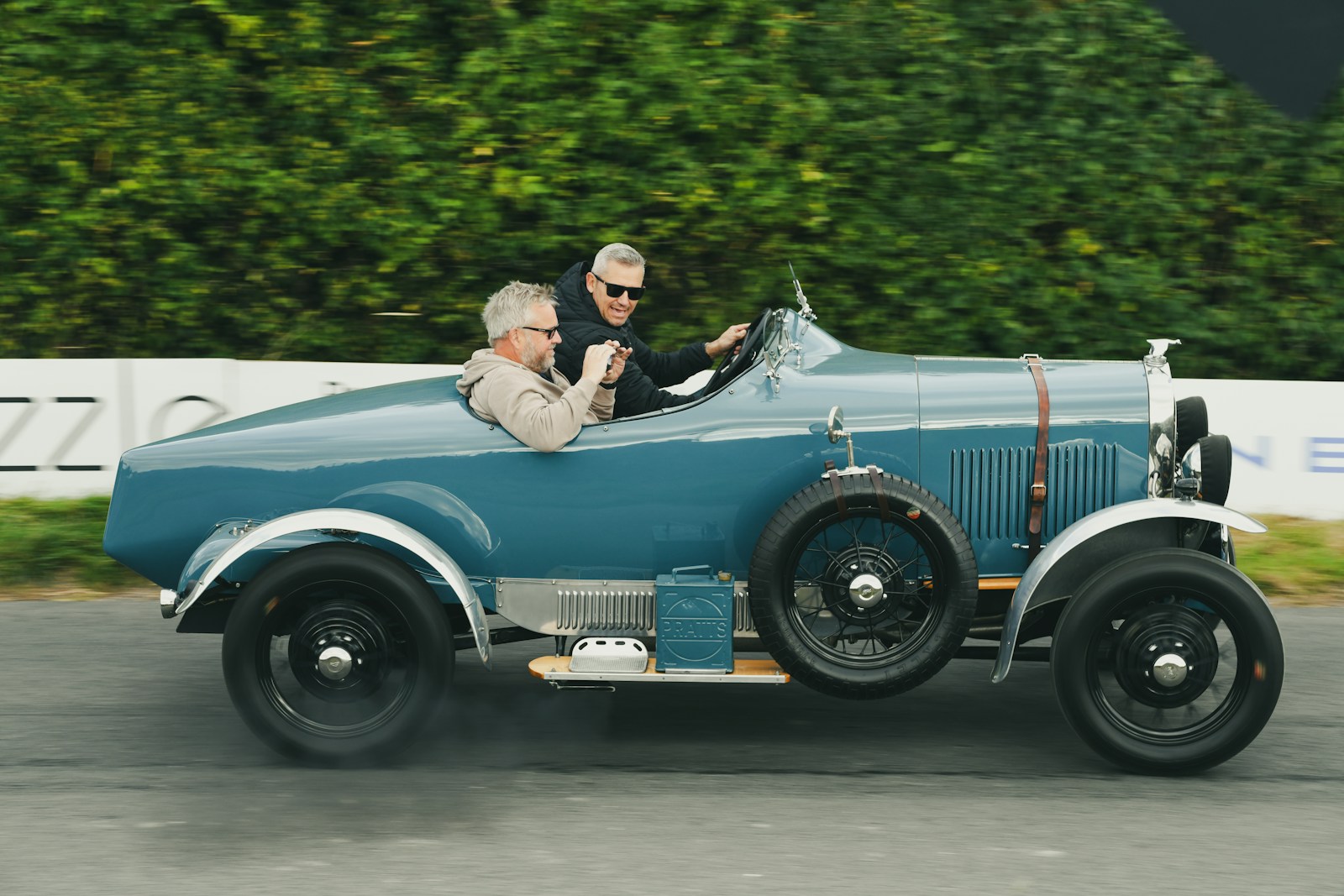
Baby boomers, those born between 1946 and 1964, are increasingly holding onto their vintage vehicles, with figures showing that nearly 34% of Americans aged 55 and older own a car that is at least ten years old. This trend raises questions about the future of the automotive market and the implications for younger generations seeking affordable and sustainable transportation options.
The Emotional Connection to Classic Cars
For many boomers, older cars symbolize nostalgia and personal history. Models like the 1965 Ford Mustang or the 1972 Chevrolet Nova are not just modes of transportation; they represent cherished memories and significant life events. A survey conducted by the automotive research firm IHS Markit revealed that 74% of older car owners have an emotional attachment to their vehicles, citing memories of road trips, family gatherings, and milestones.
This emotional bond is often coupled with the belief that older cars are built to last. Many baby boomers grew up in an era when vehicles could withstand the test of time, leading to a perception that their classic cars are more reliable than newer models. According to a report from the National Highway Traffic Safety Administration (NHTSA), cars manufactured in the 1970s and 1980s often had simpler mechanics, making them easier to repair and maintain compared to today’s high-tech vehicles.
Financial Factors at Play
Economic considerations also play a significant role in the decision to retain older vehicles. The average price of a new car in the United States reached $46,329 in 2023, according to Kelley Blue Book, making it difficult for many to justify purchasing a new model. Additionally, the rising costs of insurance, registration, and maintenance for newer cars can deter older individuals from making a switch.
Moreover, older cars often come with lower insurance premiums. A 2021 study by the Insurance Information Institute found that classic car insurance can be 40% less expensive than standard auto insurance. This financial incentive allows boomers to keep their beloved vehicles while managing their budgets more effectively in retirement.
Environmental Considerations and Sustainability
As concerns regarding climate change and sustainability continue to grow, many older car owners are rethinking the environmental impact of their vehicles. While newer models often boast better fuel efficiency and lower emissions, the carbon footprint of manufacturing new cars is significant. The Environmental Protection Agency (EPA) estimates that creating a new vehicle generates approximately 16 tons of carbon dioxide emissions. For boomers, holding onto their older cars can feel like a more sustainable choice.
Furthermore, the push for electric vehicles (EVs) has led to a complicated relationship between boomers and the automotive industry. Many individuals in this demographic are hesitant to transition to EVs due to high initial costs and a lack of charging infrastructure in rural areas. As a result, they prefer to maintain their older cars, which they view as a more reliable and practical option for their needs.
The Impact on the Automotive Market
The trend of boomers retaining older vehicles has significant implications for the automotive market. As this demographic continues to hold onto their cars, dealerships and manufacturers are adjusting their strategies. The average age of vehicles on the road in the U.S. has reached a record high of 12.1 years, according to a report from IHS Markit. This increase suggests that younger generations will face challenges in finding affordable used cars as boomers keep their vehicles longer.
From a sales perspective, automotive manufacturers are beginning to recognize the potential of the classic car market. Companies such as Ford and Chevrolet are reintroducing retro-inspired models that appeal to the nostalgia of older drivers. The recent release of the 2023 Ford Bronco, reminiscent of its classic counterparts, has seen a surge in popularity, further indicating that the automotive industry is adapting to these changing consumer preferences.
Conclusion: A Call to Action
The trend of baby boomers holding onto their old cars is reshaping the automotive landscape, with significant emotional, financial, and environmental factors at play. As the average age of vehicles on the road continues to rise, younger generations may find themselves grappling with rising prices and limited options in the used car market. It is essential for consumers and policymakers to acknowledge these trends and advocate for solutions that ensure equitable access to affordable transportation for all demographics. If you or someone you know is considering purchasing a vehicle, now is the time to act. Research the options available and understand the implications of your choices for the future of transportation.