

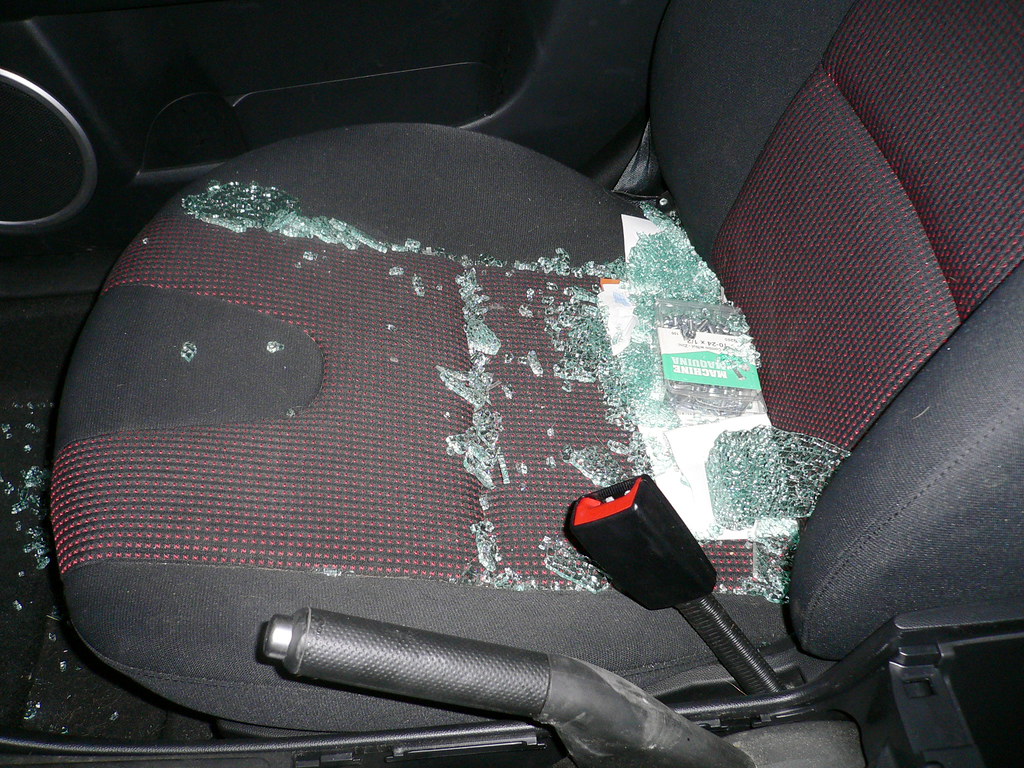
Car theft has reached alarming levels in 2025, with an estimated 1.5 million vehicles stolen in the United States alone, marking a staggering 30% increase from the previous year. This surge affects millions of car owners and raises serious concerns about public safety and property security. As technology advances and crime patterns shift, understanding the underlying reasons for this trend is crucial for consumers and law enforcement alike.
Technological Vulnerabilities in Modern Vehicles
One of the significant contributors to the rise in car thefts is the increasing sophistication of vehicle technology. Many new models, including the 2023 Tesla Model Y and the 2022 Honda CR-V, feature keyless entry systems that are vulnerable to relay attacks. Thieves can use devices to capture the signal from a key fob inside a house, allowing them to unlock and start the vehicle without ever coming into physical contact with it.
According to the National Insurance Crime Bureau (NICB), approximately 40% of stolen vehicles in 2025 were equipped with keyless entry systems, highlighting the need for more secure designs. As automakers strive to integrate advanced technology into their vehicles, they must also consider the implications for theft prevention.
Changes in Law Enforcement and Prosecution
Another factor contributing to the surge in car theft is the evolving landscape of law enforcement and legal repercussions for theft crimes. In several states, changes in laws have led to reduced penalties for non-violent crimes, including car theft. For instance, some jurisdictions have decriminalized certain petty thefts, which may embolden would-be thieves who perceive a lower risk of significant punishment.
Moreover, law enforcement agencies report that resource allocation has shifted in recent years, with many departments focusing on violent crime due to rising rates of homicides and assaults. This shift can leave property crimes, including car theft, less prioritized, allowing criminals to operate with increased confidence.
Economic Factors Driving Car Theft
The economic landscape of 2025 has also fueled the rise in vehicle thefts. With inflation rates hovering around 5%, many individuals are facing financial strain, leading some to resort to theft as a means of survival. The rising costs of living, combined with stagnant wages in certain sectors, have created a perfect storm for increased criminal activity.
Additionally, the used car market has seen significant price inflation, with the average price of a used vehicle reaching over $30,000. This high demand for used cars makes stolen vehicles more appealing to thieves, who can sell them for considerable profit. The ease of reselling stolen vehicles on dark web marketplaces further complicates the matter, as these platforms provide anonymity for both sellers and buyers.
The Impact of Social Media and Online Communities
The role of social media in promoting car theft cannot be overlooked. Platforms like TikTok and Instagram have seen a rise in content that glamorizes car theft, with videos showcasing tactics and techniques used by thieves. This exposure often attracts a younger demographic, inadvertently encouraging them to participate in theft as a means of gaining social recognition or financial reward.
In 2025, law enforcement has noted a disturbing trend where car thefts are organized through online groups, with individuals sharing information about vulnerable vehicles and locations. The accessibility of this information has made it easier for criminals to coordinate and execute thefts with minimal risk of capture.
Preventive Measures and Community Response
In response to the surge in car thefts, communities and law enforcement agencies are taking proactive measures. Many cities are implementing initiatives to raise awareness about vehicle security, encouraging car owners to invest in anti-theft devices such as steering wheel locks and GPS tracking systems. Programs that promote neighborhood watch schemes are also gaining traction, fostering a sense of community vigilance.
Furthermore, the NICB emphasizes the importance of educating the public on securing their vehicles. Simple practices, such as locking doors, parking in well-lit areas, and being aware of surroundings, can significantly reduce the likelihood of theft. As a result, community engagement and awareness are pivotal in combating the growing trend of car theft.
Conclusion: Urgent Action Needed
The alarming rise in car thefts in 2025 is multifaceted, driven by technological vulnerabilities, changes in law enforcement, economic pressures, and the influence of social media. As the landscape continues to evolve, it is imperative for car owners to take proactive steps to protect their vehicles. Staying informed about the latest security technologies and engaging with local law enforcement can help mitigate this growing threat. Now more than ever, community vigilance and individual responsibility are essential to curbing the epidemic of car theft. Don’t