

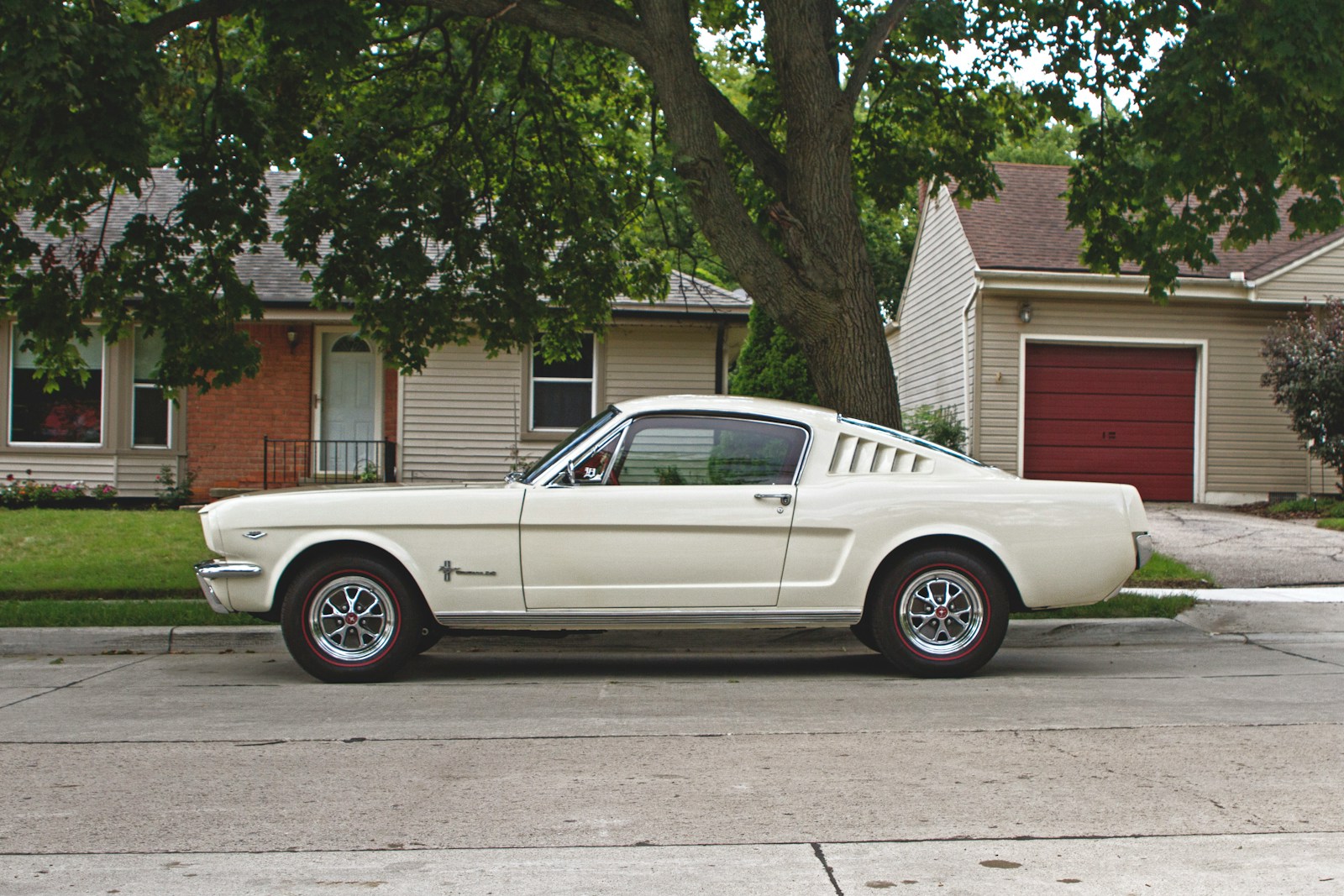
The value of classic cars is significantly influenced by their color, with some hues fetching prices that can be tens of thousands of dollars higher than others. This phenomenon affects collectors, dealers, and enthusiasts alike, as the right shade can drastically increase a vehicle’s desirability and market value. For instance, a classic 1967 Ford Mustang in Highland Green can command over $100,000, while the same model in a less popular color might be valued at just $50,000.
The Psychology of Color
Color preference is deeply rooted in psychology. Certain colors evoke specific emotions and perceptions, which can influence buyer behavior. In the classic car market, colors like red, black, and white often hold more appeal due to their associations with power, elegance, or nostalgia. For example, a cherry red 1969 Chevrolet Camaro can elicit feelings of excitement and passion, making it more attractive to potential buyers.
Historical Significance and Trends
Colors that were popular during a car’s original production run can also enhance its value. For instance, cars painted in vibrant hues like orange or yellow were common in the muscle car era of the late 1960s and early 1970s. Cars that reflect these nostalgic colors often attract collectors looking for authenticity and historical context. A 1970 Dodge Challenger in Hemi Orange, for example, can reach auction prices of over $200,000, capitalizing on both its color and historical significance.
Rarity and Exclusivity
Rarity plays a crucial role in determining a classic car’s value, and this applies to color as well. Limited-edition models or those produced in fewer color variations often see a premium in the market. A 1957 Porsche 356 Speedster in a rare shade like Aquamarine might sell for more than double a standard model in a common color. The allure of owning something unique drives collectors to pay top dollar for cars that stand out due to their distinctive hues.
Market Demand and Resale Value
The market demand for specific colors fluctuates, influenced by trends and buyer preferences. According to Hagerty, a classic car valuation company, colors like red and black consistently rank high in desirability. In 2022, they reported that classic cars in these colors appreciated by 15%, while those in less popular shades saw only a 5% increase. This trend underscores the importance of color when considering a vehicle as an investment.
Impact of Restoration and Modification
When restoring classic cars, owners often choose colors based on market trends rather than original specifications, which can affect value. While some restorers aim for authenticity, others may opt for popular colors to increase resale value. A 1970 Ford Mustang that was originally painted in a less desirable color but restored in a striking red or blue may sell for significantly more than its original value. However, this practice can also backfire; purists often seek original colors and may pay less for cars that deviate from factory specifications.
Celebrity Influence and Pop Culture
Celebrity ownership and appearances in popular media can also elevate the value of classic cars, especially when they feature specific colors. For example, the 1968 Ford Mustang driven by Steve McQueen in the film “Bullitt” has become iconic, and its distinctive dark green color has added to its allure. Such cars can sell for upwards of $3 million, demonstrating how color, combined with cultural significance, can lead to extraordinary valuations.
Future Trends in Classic Car Color Value
As the classic car market evolves, so too do color trends. Electric and hybrid vehicles are beginning to shape preferences, with buyers gravitating toward more modern hues. However, classic colors still hold a significant place in the market. Experts predict that colors such as metallic blues and greens will gain popularity, reflecting a blend of nostalgia and contemporary taste. Collectors and enthusiasts should stay informed about these trends to make educated purchasing decisions.
Conclusion: Color Matters in the Classic Car Market
The correlation between color and the value of classic cars is undeniable. From historical significance to market demand, the right hue can substantially elevate a vehicle’s worth. For collectors and enthusiasts, understanding these dynamics is crucial in making informed buying or selling decisions. As the market continues to evolve, staying aware of color trends will be vital for maximizing investment returns.
Don’t miss out on the chance to capitalize on the classic car market. Whether you’re looking to buy or sell, understanding the importance of color can make a significant difference. Act now and ensure you’re making the most informed decisions in this vibrant market.