

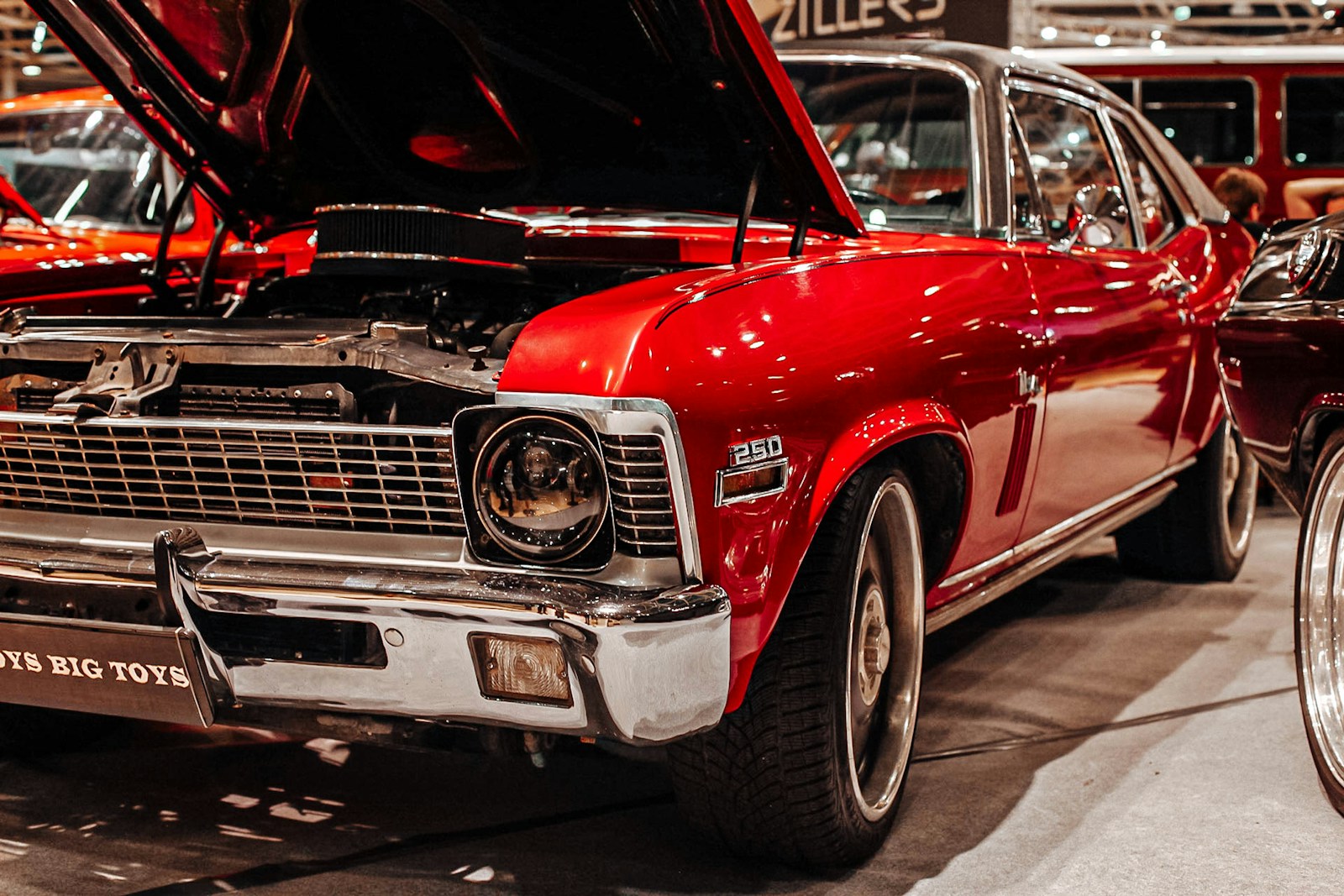
Muscle cars have transcended generations, captivating automotive enthusiasts and casual drivers alike with their power, design, and nostalgia. From the classic models of the 1960s to the modern iterations of today, these vehicles continue to evoke passion and admiration, impacting car culture and the automotive market significantly.
The Enduring Appeal of Power
At the heart of the muscle car’s allure is its powerful performance. Typically characterized by high-performance V8 engines, muscle cars are designed for speed and acceleration. For instance, the 2021 Ford Mustang GT features a 5.0-liter V8 engine that produces 450 horsepower, allowing it to go from 0 to 60 mph in just 4.2 seconds. This power appeals to both younger drivers seeking thrills and older generations reminiscing about the high-octane performance of their youth.
Iconic Models That Shaped Car Culture
Several models have left an indelible mark on car culture, further cementing the muscle car’s legacy. The 1969 Chevrolet Camaro, for example, is often regarded as a classic, known for its aggressive styling and powerful options like the 396 cubic-inch V8. Such iconic cars have become symbols of American automotive history and continue to inspire new designs and trends in the industry.
Nostalgia and American Identity
For many, muscle cars represent a nostalgic connection to American youth and freedom. The late 20th century saw these vehicles become synonymous with rebellion, individuality, and the open road. The classic 1970 Dodge Charger, often associated with the “Dukes of Hazzard,” encapsulates this spirit, evoking memories of cruising down highways and enjoying the thrill of the drive, which resonates with both Baby Boomers and Millennials alike.
Muscle Cars in Modern Times
Today’s muscle cars are not just about raw power; they also incorporate modern technology and fuel efficiency, appealing to a broader audience. The 2022 Chevrolet Camaro, for example, offers a turbocharged four-cylinder engine option that delivers a more economical choice without sacrificing performance, achieving approximately 30 miles per gallon on the highway. This shift reflects the changing preferences of consumers who seek a balance between performance and practicality.
Community and Enthusiast Culture
The muscle car community is vibrant and thriving, fostering a sense of belonging among enthusiasts. Car shows, meet-ups, and online forums allow fans to share experiences, modifications, and restoration tips. Events like the annual Muscle Car and Corvette Nationals showcase not only classic vehicles but also the deep-rooted passion that keeps the muscle car legacy alive. According to a recent survey, over 70% of muscle car owners consider themselves part of a community, highlighting the social aspect of car ownership.
Market Trends and Sales Data
Despite shifting consumer preferences towards electric vehicles (EVs), muscle cars remain resilient in the market. In 2021, Ford reported a 14% increase in Mustang sales compared to the previous year, with the iconic model still appealing to new buyers. This trend indicates that while the automotive landscape evolves, the demand for traditional muscle cars continues to thrive, demonstrating their lasting appeal.
Future of Muscle Cars
The future of muscle cars is a topic of much debate among enthusiasts and industry experts. As automakers pivot towards electrification, some models are being reimagined with hybrid or fully electric powertrains. The Ford Mustang Mach-E, an all-electric SUV, aims to attract a new generation of buyers while still paying homage to the Mustang legacy. However, purists remain concerned about the potential loss of the classic muscle car experience that has defined these vehicles for decades.
The Role of Technology in Performance
Advancements in automotive technology are also shaping the muscle car landscape. Features such as adaptive cruise control, advanced infotainment systems, and performance-enhancing tools like launch control are becoming standard in modern muscle cars. The 2023 Dodge Challenger, for instance, offers a wide array of tech options, appealing to a tech-savvy demographic while maintaining the raw power expected from a muscle car.
Conclusion: The Call to Action
The enduring love for muscle cars across generations is a testament to their unique blend of power, performance, and nostalgia. As the automotive industry continues to evolve, it is crucial for enthusiasts and potential buyers to engage with this culture actively. Whether you’re a seasoned collector or a first-time buyer, now is the time to explore the muscle car market and discover the vehicles that connect us all to the open road. Don’t miss out on the opportunity to own