
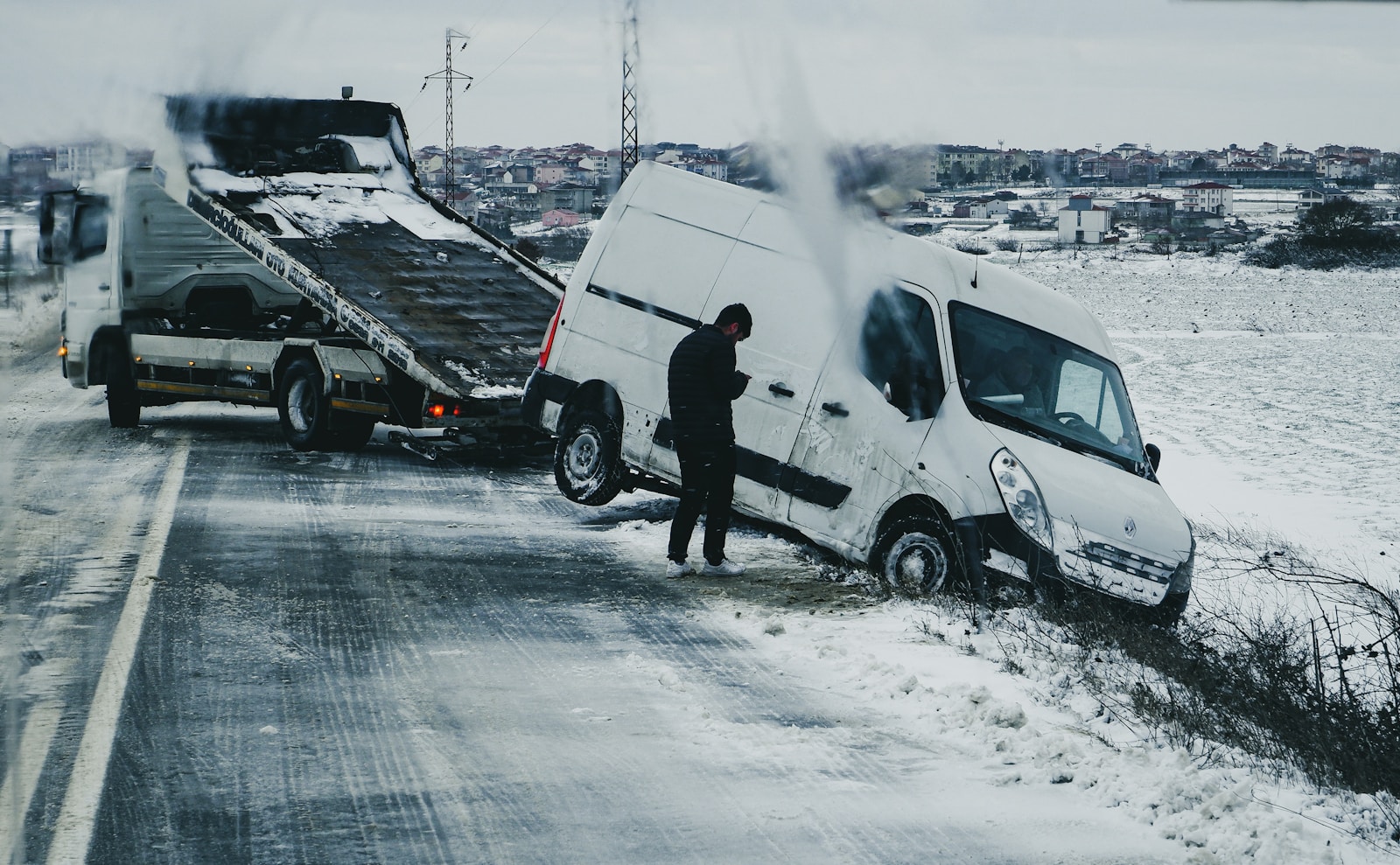

Drivers tend to trust their instincts, and those instincts say that if the speedometer is low, the risk is low too. Ice storms blow that logic apart. Even at neighborhood speeds, a thin, nearly invisible glaze can turn a routine commute into a demolition derby of fender benders, spinouts, and pileups.
The reason is not just “bad weather” but a brutal mix of physics, road design, and human habits that all line up against the person behind the wheel. When ice coats pavement, the rules of grip, braking, and steering quietly change, and most people do not realize how little control they have until the car is already sliding.
When Rain Turns to Ice in a Flash
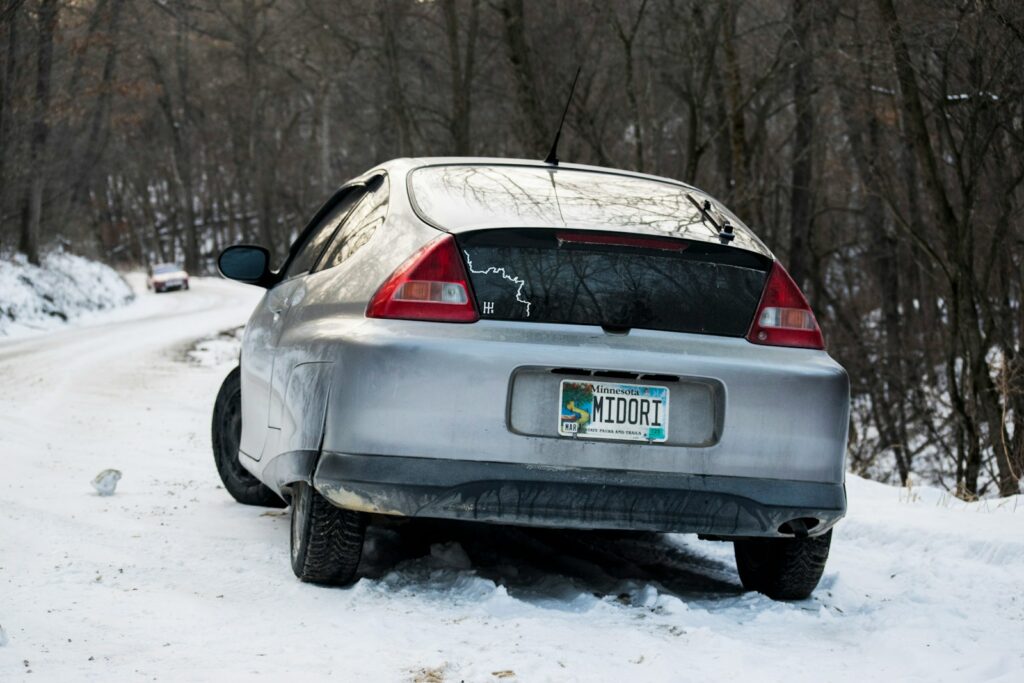
Ice storms are sneaky because the road can look merely wet while it is actually sealed under a sheet of glaze. That usually starts with a layer of warmer air above colder ground, so raindrops fall as liquid, then freeze the instant they hit pavement, guardrails, or power lines. Meteorologists describe this setup as Freezing Rain and Freezing Drizzle, and it is tailor made for road icing. Because the ice is clear and thin, it often takes on the exact color of the asphalt, so drivers do not get the visual warning they might with packed snow.
That invisible coating is what people call black ice, and it is especially common on Roadways that sit in the shade of trees, bridges, or overpasses where sunlight cannot melt the surface. The same setup can play out in cities with a maritime climate, where temperatures hover around freezing and light rain flips to glaze with only a small drop in degrees. In those conditions, a street that felt fine ten minutes earlier can suddenly behave like a hockey rink, catching drivers off guard even if they never touch the gas pedal hard.
Friction, The Key Player That Suddenly Disappears
On a dry day, tires grip the road because of friction, the tiny interlocking between rubber and rough pavement that lets a car accelerate, turn, and stop. On ice, that grip collapses. Physicists describe friction as The Key Player in vehicle control, or, when the road is slick, Or the Lack Thereof. When a car is Driving on icy roads, the coefficient of friction can drop to a tiny fraction of what it is on dry asphalt, which means the tires have almost nothing to push against.
That is why experts compare driving on ice to sprinting on a soapy floor. Even if someone moves slowly, any sideways or forward push can send them sliding. The same thing happens to a car when the friction between the tires and the road falls close to zero. Steering inputs that would normally nudge the car through a gentle curve instead overwhelm the limited grip, and the vehicle keeps going straight. Braking has the same problem, which is why safety guides stress that on ice, the driver has to treat every bit of available Friction like a scarce resource instead of something they can rely on.
Why “Just Tapping the Brakes” Does Not Work
Many drivers assume that if they are sliding, the fix is to brake harder. On ice, that instinct is exactly backward. When the wheels lock up, the tires stop rolling and start skimming across the surface, which wipes out what little grip they had left. In that state, the car behaves like a sled, and the driver can turn the steering wheel as much as they want without changing direction. Engineers who study winter driving point out that the physics between cars skidding and cars gripping is all about how speed and How friction interact.
Modern anti lock brake systems are designed to keep the wheels turning just enough to maintain some contact patch, even when the driver slams the pedal. Demonstrations from commercial van makers show that when it is snowy, icy, or frosty, there is not much friction between the tires and the road surface, and without the anti lock brake system the wheels would simply lock and slide. In those tests, the Braking distance on ice stretches out dramatically compared with dry pavement, even at modest speeds, which is why “just tapping the brakes” at the last second is often too late.
Black Ice Turns Steering and Braking Into Suggestions
Black ice is not a special kind of ice, it is regular frozen water that happens to be nearly invisible. The danger is that it provides next to no traction, so steering and braking become more like suggestions than commands. Legal and safety guides that walk through How black ice causes car accidents describe how a Black patch can send a Vehicle into a skid even when the driver is moving slowly and thinks the road is just wet.
Once the tires hit that slick spot, the car can yaw sideways, drift into another lane, or spin completely around until the rubber finally finds dry pavement again. The jolt when the tires suddenly regain traction can fling the Vehicle in a new direction, which is why so many black ice crashes involve secondary impacts with guardrails or other cars. Because the driver often never saw the hazard, they may not have left extra space or reduced speed, and by the time the slide starts, there is no room left to recover.
Low Speed, High Risk: The Stopping Distance Problem
Even at 20 or 25 miles per hour, a car carries a surprising amount of momentum, and on ice there is very little to slow that mass down. Drivers who are used to stopping within a car length or two on dry roads suddenly find they need many times that distance. People who analyze winter driving point out that the stopping distance of a car going down a hill in Winter depends on a lot of things, but the key is how speed and friction combine. When friction drops, the same speed translates into a much longer slide, and the car keeps moving forward even if the wheels are pointed straight and the driver is standing on the brake pedal.
Some estimates suggest that on very slick surfaces, the effective friction coefficient can fall to around 0.02, which is close to the level of polished ice. Discussions of how much icy roads can increase braking distances compared to dry roads describe how a surface like Dry ice, not the frozen carbon dioxide but a road that behaves as if it were, can multiply stopping distances by a huge amount. One analysis by Mats Petersson, who is described as Driving for the past 20 years and Author of tens of thousands of answers, notes that a huge amount of extra distance is needed, especially when a vehicle is going downhill and gravity is helping it along.
Snow, Slush, and the Illusion of Grip
Ice storms rarely arrive alone. They often ride in with snow bands or follow a burst of flurries that leave a thin layer of powder on top of the glaze. That mix creates what safety lawyers describe as a unique set of driving challenges that many motorists struggle to handle in Winter. Analyses of the Most Common Causes point to reduced visibility, packed snow, and hidden ice as a trio that regularly leads to rear end collisions and lane departure crashes.
Snow itself can be deceptive. A light dusting may feel grippy at first, but as traffic packs it down, it turns into a slick, polished layer that behaves more like ice than powder. Guides that explain How Snow and emphasize Reduced Traction as the core problem, noting that Snow and ice prevent tires from gripping the road and make it harder to steer or stop. Drivers may feel a bit of crunch under the wheels and assume they have control, only to discover that underneath that layer is a sheet of ice that offers almost none.
Local Weather Patterns That Set Drivers Up
Some regions are built for winter, with fleets of plows and drivers who expect to see snow for months. Others, especially cities that sit near large bodies of water, get a different kind of cold season. In places with a maritime influence, like Seattle, Understanding the Weather Patterns is key. The climate there is characterized by wet winters and temperatures that often hover near freezing, which is perfect for slushy streets that refreeze overnight into black ice.
Legal analyses of Seattle accidents during ice and snow storms note that drivers there are often unprepared for how quickly conditions can deteriorate. A rain shower in the afternoon can leave puddles that turn into frozen ruts by evening, especially on hills and bridges. When that happens, even locals who know their routes well can find that familiar corners and on ramps behave completely differently, and low speed slides into parked cars or barriers become common.
Human Habits That Make a Bad Surface Worse
Physics sets the stage, but human behavior often delivers the crash. Many drivers simply do not slow down enough when the temperature drops near freezing, especially if the road looks clear. Injury lawyers who catalog the Winter crash patterns point to speeding, tailgating, and distracted driving as repeat offenders. On ice, those habits leave almost no margin for error, because once the slide starts, there is no quick fix.
Safety campaigns aimed at pedestrians and drivers alike stress that people need to Be Aware of Conditions, not just what they see out the windshield. Advisories on The Silent Danger of Black Ice and Avoiding Slip and Falls urge everyone to Pay attention to weather forecasts and to Slow Down, reduce speed, and give themselves extra time. When drivers ignore that advice and treat the posted limit as a target instead of a maximum, they effectively erase the buffer they would have needed to stay out of a low speed pileup.
Practical Moves That Actually Help
While no one can change the laws of physics, drivers can stack the odds in their favor. The first step is to assume that if the air is near freezing and the pavement looks wet, there may be ice. That mindset shift is exactly what winter safety advocates push when they talk about the need for caution and the dangers of black ice. One expert whose social media posts on the dangers and need for caution have gained Him a serious following advises people to slow down to stay safe and to treat the speed limit as the maximum, not the minimum, during icy spells. That guidance is echoed in national coverage that urges drivers to let His cautionary approach guide their winter habits.
On the road, that means easing off the gas well before intersections, leaving several car lengths of space, and steering gently so the tires can use what little grip they have. Pedestrian focused advice on Avoiding Slip and Falls also translates well to driving: slow down, plan routes that avoid known icy spots, and use extra lighting in the dark to spot trouble. Road safety guides focused on Black ice add that if a Vehicle does start to slide, the driver should stay calm, ease off the brakes, and steer gently in the direction they want to go until the tires regain traction.
Why Ice Storm Wrecks Keep Piling Up
Put all of this together and the pattern is clear. Ice storms create a nearly invisible hazard through Freezing Rain and, strip away Friction so that The Key Player in vehicle control is mostly gone, and then rely on drivers to adjust in real time. Many do not. Analyses of Reduced Traction in Snow and ice, combined with case studies from cities like Understanding the Weather in Seattle, show how quickly a normal commute can unravel once that chain of events starts.
More from Wilder Media Group: