

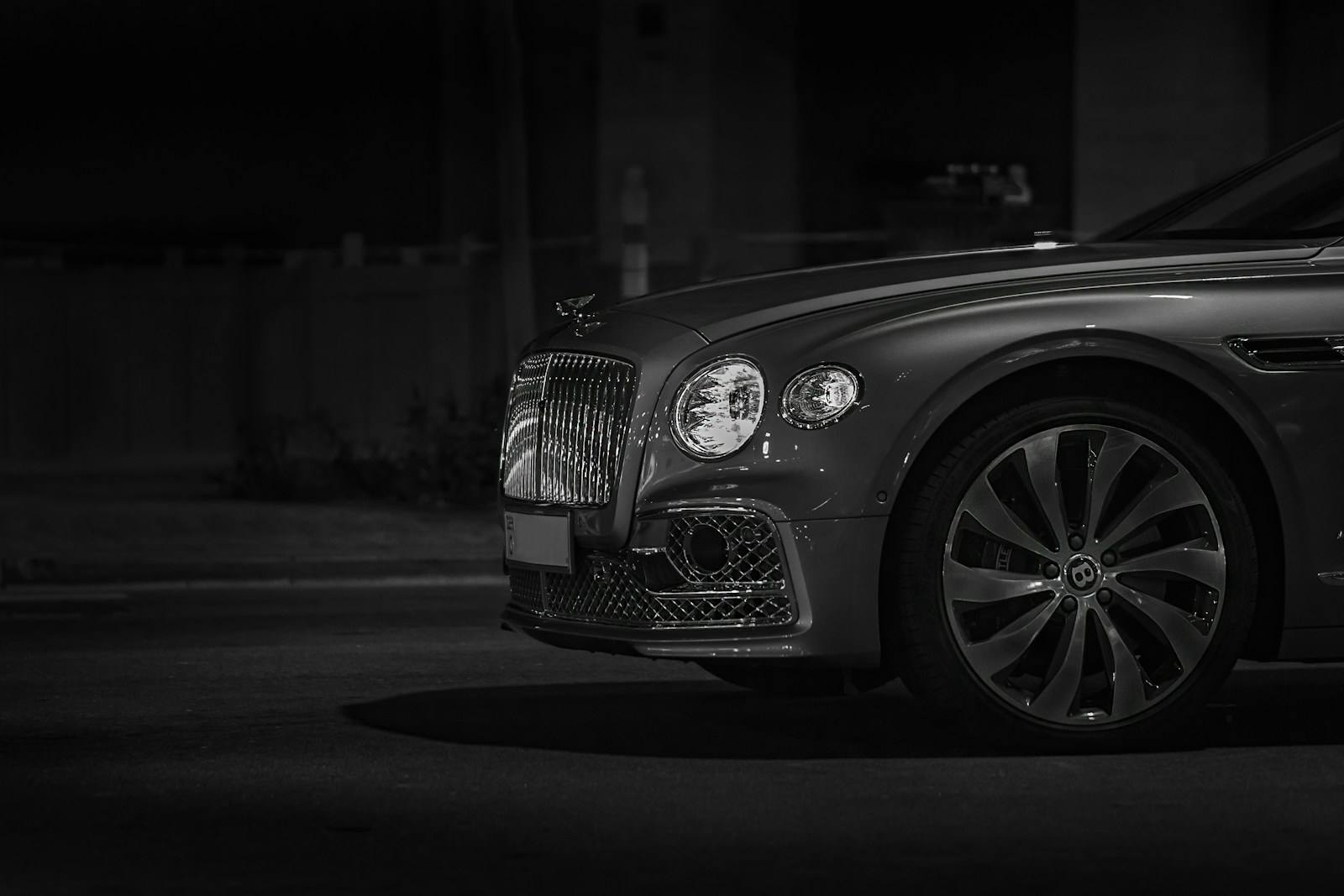
Luxury vehicles often come with a hefty price tag, but recent studies reveal that the high cost may not equate to the expected benefits for consumers. This revelation affects potential buyers, who may reconsider their investment in brands like BMW, Mercedes-Benz, and Lexus, particularly in an era of rising living costs and economic uncertainty. Understanding why these high-priced vehicles may not deliver value for money is crucial for making informed purchasing decisions.
High Costs Versus Long-Term Value
Luxury cars can cost upwards of $70,000, with some models like the 2023 Rolls-Royce Cullinan exceeding $350,000. Despite these lofty price points, luxury vehicles often depreciate at a faster rate than their more affordable counterparts. According to Kelley Blue Book, luxury vehicles can lose as much as 50% of their value within the first three years, compared to around 40% for mainstream models.
This rapid depreciation raises questions about the long-term value of luxury automobiles. For instance, a 2020 Mercedes-Benz S-Class, originally priced around $100,000, may sell for just $50,000 in three years. Buyers who invest heavily in luxury cars may find themselves facing significant financial losses when it comes time to sell or trade in their vehicles.
Costly Maintenance and Repairs
The high initial purchase price of luxury cars is often compounded by expensive maintenance and repair costs. For example, routine maintenance for a luxury brand can be two to three times higher than that of a standard vehicle. A 2022 BMW 5 Series, for instance, costs an average of $1,200 annually for maintenance, whereas a comparable Honda Accord may only require around $400.
Furthermore, luxury cars often require specialized parts and services that can add to repair bills. A simple fix like replacing a brake pad on a luxury vehicle can cost $500, while the same service on a more mainstream car may be only $200. These additional costs can quickly add up, making ownership less appealing for budget-conscious consumers.
Fuel Efficiency and Environmental Impact
Many luxury vehicles are equipped with powerful engines that prioritize performance over fuel efficiency. According to the EPA, the 2022 Audi Q7 averages only 19 miles per gallon in combined city and highway driving, which is significantly lower than the 26 miles per gallon offered by a standard midsize SUV like the 2022 Toyota Highlander. As fuel prices continue to rise—averaging around $3.75 a gallon as of October 2023—owners of luxury vehicles may find themselves paying more at the pump.
Additionally, the environmental impact of driving fuel-inefficient luxury cars is a growing concern among consumers. As awareness around climate change increases, many buyers are shifting their focus toward eco-friendly alternatives. Luxury brands are slowly responding with electric and hybrid models, but these options often come at an even higher price point, further complicating the financial justification for choosing a luxury vehicle.
Questionable Reliability
Reliability is another critical factor that can undermine the allure of luxury cars. In the 2023 J.D. Power Vehicle Dependability Study, luxury brands like Jaguar and Land Rover ranked among the least reliable, with owners reporting multiple issues within the first three years of ownership. In contrast, brands like Toyota and Honda consistently rank high for reliability, offering consumers a more dependable driving experience.
This lack of reliability not only affects day-to-day driving but can also lead to further unexpected costs. If a luxury vehicle requires frequent repairs or has a history of problems, the overall ownership experience can become frustrating and financially burdensome. Potential buyers should weigh these factors before making a significant financial commitment.
Changing Consumer Preferences
Consumer preferences are shifting in favor of practicality and cost-effectiveness, particularly among younger generations. A 2022 survey by Deloitte revealed that 48% of millennials prioritize value for money over brand prestige when purchasing a vehicle. This trend suggests that the allure of luxury cars may be fading as buyers increasingly seek budget-friendly options that offer long-term savings and reliability.
Moreover, the rise of ride-sharing services and public transportation alternatives has prompted many to reconsider the necessity of owning a luxury vehicle. With options like Uber and Lyft becoming more accessible, consumers may find that they can enjoy the convenience of a car without the burdens of ownership, especially when it comes to high-cost luxury brands.
Final Thoughts: Make Informed Choices
With the high purchase prices, costly maintenance, poor fuel efficiency, questionable reliability, and evolving consumer preferences, the value proposition of luxury cars is increasingly being called into question. Buyers must critically evaluate