
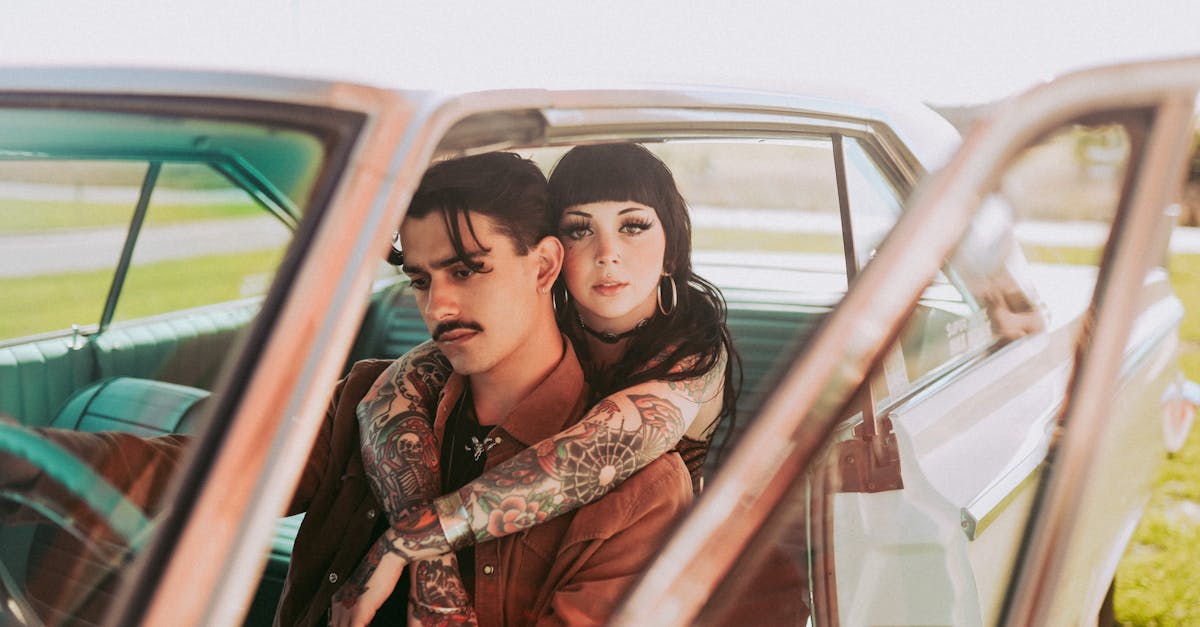

Why Men Still Fall in Love With Their First Car
Many men across the globe continue to cherish their first cars, with studies highlighting that nearly 60% of adults recall their first vehicle with fondness. This emotional attachment often transcends practicality, reflecting deeper psychological connections that can influence consumer behavior in the automotive market. Understanding why this phenomenon persists is crucial for car manufacturers and marketers aiming to tap into nostalgic sentiments while appealing to younger generations.
The Psychological Connection to First Cars
Research in automotive psychology suggests that the bond men form with their first cars is deeply rooted in nostalgia. The first car often represents freedom, independence, and significant milestones, such as the transition into adulthood. A 2022 survey conducted by the automotive research firm J.D. Power found that 72% of respondents stated their first car holds sentimental value, serving as a symbol of personal growth and life experiences.
This emotional attachment is particularly pronounced among men, who are more likely to associate their first car with formative life events, including first dates, road trips, and even family bonding experiences. The relationship is often characterized by a blend of pride and ownership, as many men invest time and resources into personalizing and maintaining their vehicles, reinforcing their connection to the car.
The Role of Brand Loyalty
Brand loyalty plays a crucial role in how men view their first cars. Popular models such as the Ford Mustang (1964-1973) or the Chevrolet Camaro (1966-present) have created legacies that resonate with generations. According to a 2023 report by Statista, 45% of men who owned their first vehicle from a well-established brand reported a higher likelihood of buying the same brand again in the future.
This loyalty is often cultivated through positive experiences associated with their first car. Many men recall the reliability of their vehicle, the ease of maintenance, and the pleasure derived from driving, which can lead to long-term preferences for specific manufacturers. As a result, automakers are leveraging this insight by creating campaigns that evoke nostalgia and highlight their brand’s history in an effort to connect with new buyers.
The Influence of Social Media and Online Communities
The rise of social media has further amplified the attachment to first cars, with platforms like Instagram and TikTok serving as spaces for enthusiasts to share their stories and experiences. The hashtag #FirstCar has garnered over 1 million posts, showcasing the pride many feel in their initial automotive acquisition. Online communities, forums, and groups dedicated to specific car models allow individuals to reminisce and bond over shared experiences.
These platforms have also driven the market for classic cars, with models like the Volkswagen Beetle and the Ford F-150 (1970s models) experiencing renewed interest among collectors. In 2023, classic car sales reached an estimated $1.5 billion, with a significant portion of purchases attributed to nostalgia-driven buyers seeking to relive their youth through vehicle ownership.
Economic Impact on the Automotive Market
The emotional connection men have to their first cars is having a tangible impact on the automotive market. As more men seek to recapture their youthful memories, there is an increased demand for vintage and classic cars, contributing to the growth of the collector car market. A report from the Specialty Equipment Market Association (SEMA) noted that vintage car restoration businesses have seen a 25% increase in demand over the past five years, reflecting this trend.
Moreover, automakers are recognizing the importance of catering to this nostalgic sentiment by developing modern vehicles that pay homage to classic designs. The Ford Bronco (2021-present) is a prime example, as it combines retro aesthetics with modern technology, appealing to both older generations and younger buyers who desire a connection to the past.
Conclusion: A Call to Action
The enduring love men have for their first cars is a testament to the emotional bonds formed through shared experiences and milestones. As the automotive industry continues to evolve, understanding this attachment will be essential for manufacturers aiming to capture the hearts of both nostalgic buyers and new drivers alike. For those who wish to explore this phenomenon further, consider joining online communities or attending classic car shows in your area. Sharing your story might just ignite a new connection to your first car, or inspire someone else to appreciate the significance of theirs.