

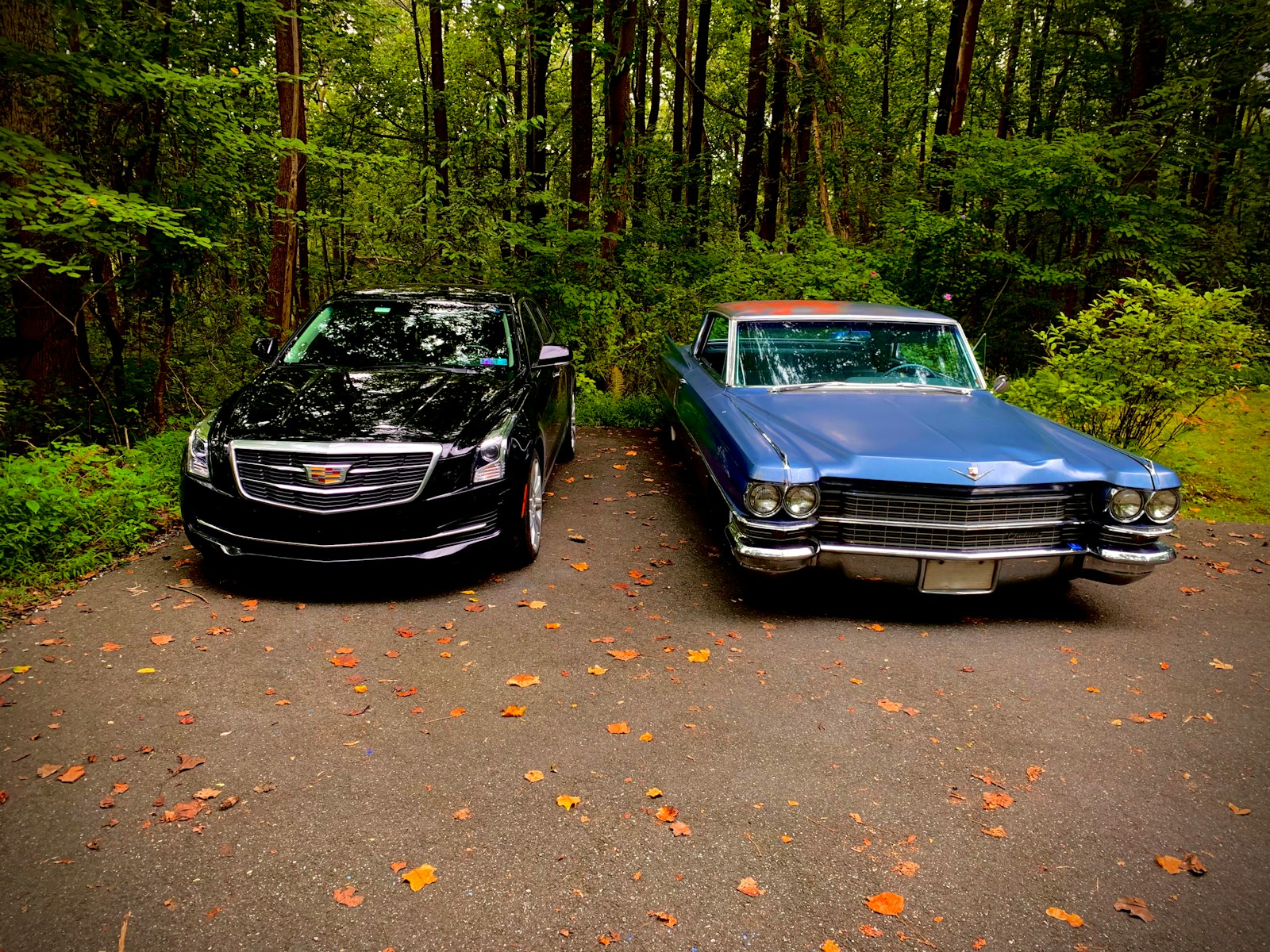
As technology advances, the lifespan of modern vehicles has significantly decreased compared to classic models, raising concerns among consumers and automotive experts alike. While vehicles from the 1960s and 1970s could easily reach 300,000 miles or more with proper maintenance, many contemporary cars struggle to surpass 150,000 miles. This trend affects not only car owners but also the environment and the economy, as shorter vehicle lifespans contribute to increased waste and higher replacement costs.
Technological Complexity
One of the primary reasons modern cars do not last as long as their classic counterparts is their technological complexity. Today’s vehicles are equipped with advanced electronics, numerous sensors, and sophisticated software systems. For instance, the 2021 Tesla Model 3 is laden with over 1,000 unique components that interact seamlessly to deliver a high-tech driving experience. However, this complexity can lead to more points of failure, making repairs and maintenance more challenging and costly.
Quality of Materials
Another factor contributing to the reduced longevity of modern cars is the quality of materials used in their construction. Many manufacturers have shifted towards lighter, cost-effective materials to enhance fuel efficiency and cut production costs. For example, the 2020 Ford EcoSport utilizes a mix of high-strength steel and plastic components, which, while lightweight, can be less durable than the heavier metal used in vehicles like the 1970 Chevrolet Impala. As a result, modern cars may suffer from rust and wear more quickly than older models.
Driving Habits and Road Conditions
The way people drive and the conditions in which they operate their vehicles also play a significant role in vehicle longevity. With the rise of urbanization, many drivers are now navigating congested city streets and stop-and-go traffic, which can accelerate wear and tear. For instance, the 2022 Honda Civic is designed for efficiency, but frequent short trips can lead to engine issues and reduced lifespan. In contrast, classic cars, often driven in less congested areas, experienced less stress and strain on their components.
Scheduled Maintenance and Owner Knowledge
Maintenance practices have evolved over the years, and many modern car owners may not adhere to the same rigorous upkeep that classic car owners do. For example, classic car enthusiasts often perform regular checks and repairs, resulting in well-maintained vehicles that can last decades. According to a 2022 survey, about 30% of modern car owners do not follow recommended maintenance schedules, which can significantly impact the vehicle’s longevity. Lack of knowledge about how to properly care for these high-tech models can lead to premature failures.
Environmental Regulations
Stringent environmental regulations have also influenced the design and longevity of modern vehicles. Manufacturers are compelled to meet fuel efficiency and emissions standards, which can sometimes come at the expense of durability. The 2021 Volkswagen ID.4, an electric SUV, is designed to minimize its carbon footprint, but the lightweight components and battery systems can be more susceptible to damage over time. In contrast, classic cars were built with fewer regulatory constraints, allowing for more robust designs.
Consumer Expectations and Market Trends
Modern consumers have different expectations when it comes to vehicle ownership. With the rise of leasing and the preference for new models every few years, manufacturers have shifted their focus towards creating cars that appeal to short-term buyers. According to a 2023 report, the average car ownership period has decreased from 6.5 years in 2015 to just 5.4 years in 2022. This trend has incentivized automakers to prioritize style and technology over longevity, resulting in vehicles that may not withstand the test of time.
Impact on the Environment and Economy
The decline in vehicle longevity has broader implications for the environment and the economy. Increased vehicle turnover leads to higher waste production, with millions of cars being scrapped each year. The Environmental Protection Agency (EPA) estimates that approximately 12 million cars are disposed of annually in the United States alone. This waste contributes to pollution and resource depletion, raising concerns about sustainability in the automotive industry.
Conclusion: The Future of Automotive Longevity
As modern cars continue to evolve, the challenge of ensuring their longevity while meeting technological and regulatory demands remains a pressing issue. Consumers must be aware of the factors contributing to shorter vehicle lifespans and consider their maintenance practices and driving habits. To promote sustainability and reduce waste, it is essential for both consumers and manufacturers to prioritize durability alongside innovation.
Car owners should take proactive steps to maintain their vehicles and educate themselves on best practices. With the automotive