
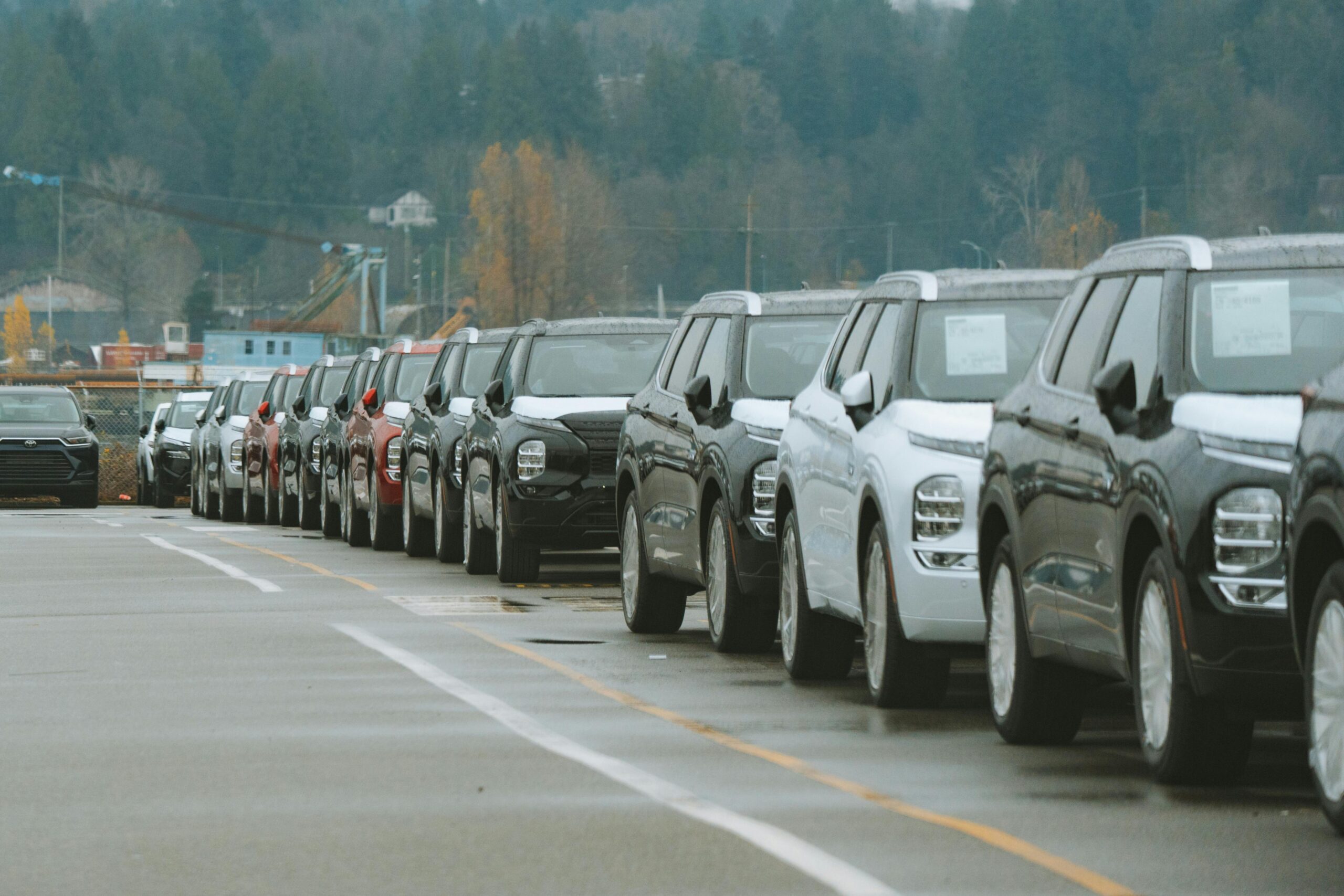

Pull into any grocery store lot and it feels like the compact sedan has gone the way of the flip phone. Rooflines loom, grilles tower at eye level, and even family crossovers now cast the kind of shadow once reserved for full-size trucks. New cars are not just a little larger; they read as massive in everyday spaces, and that visual shock is reshaping how streets, parking spots, and even pedestrians feel around them.
That sense of bigness is not just about tape-measure dimensions, it is also about how designers, engineers, and marketers have quietly redefined what a “normal” car looks like. From swollen bodywork to taller seating positions and animal-like faces, the modern car is built to project presence, and the result is a fleet that looks supersized even when the numbers are closer to a slow, steady creep.
How cars actually got bigger
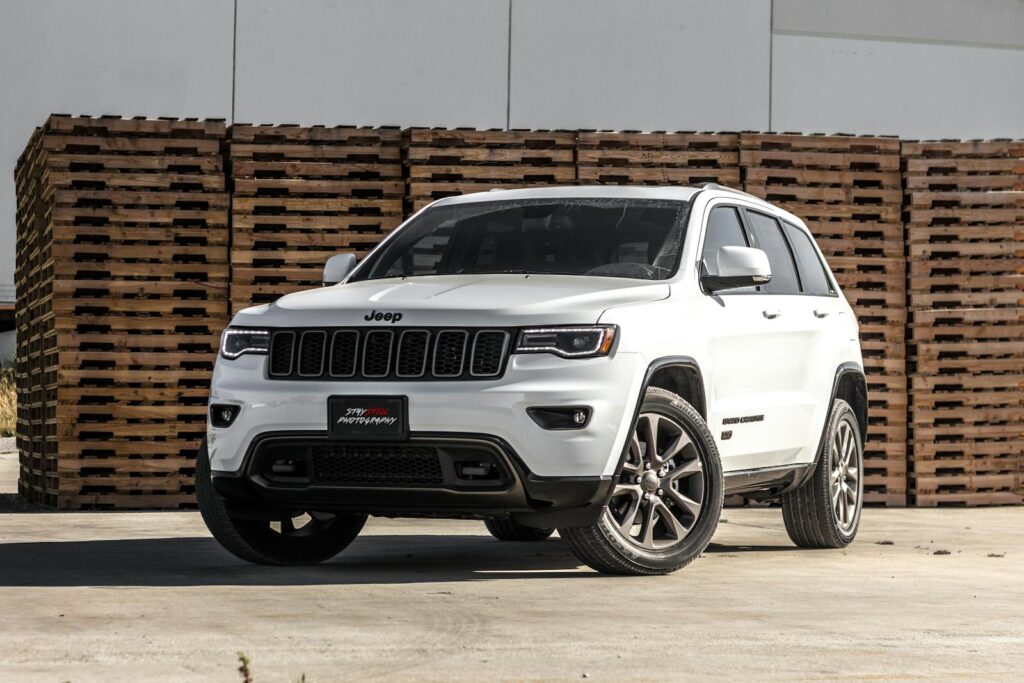
On paper, the growth story is straightforward. Over several decades, the typical American passenger vehicle has stretched longer, wider, and taller, with each redesign adding a few millimeters here and there until the family car of today dwarfs its own ancestors. Research cited by FINN describes how this slow-motion expansion has played out on American roads, with modern models ending up roughly a foot longer and about a foot wider than comparable vehicles from a decade earlier. That kind of change is enough to crowd narrow lanes, swallow curbside bike space, and make parallel parking feel like threading a yacht into a marina slip.
The reasons behind that growth are familiar, even if drivers do not always connect them to size. Safety regulations have pushed thicker doors, more crash structure, and taller hoods, while consumer demand for comfort has layered on bigger cabins, more seats, and cavernous cargo holds. As one detailed look at how the car explains, shapes and sizes have been steadily ballooning since the late 1970s, driven by a mix of safety tech, luxury expectations, and the rise of SUVs and trucks that blurred the line between work vehicles and daily drivers. The result is a street scene where even a so-called midsize crossover now occupies the footprint of an old-school full-size sedan.
Why today’s designs look gargantuan
Yet the tape measure does not tell the whole story, because people have always had big cars in their lives. What has changed is how those cars are styled and how they use their bulk. As one analysis framed it, drivers have long had big cars, so the question is why the latest ones look so gargantuan. The answer starts with engineering that packs more usable space into the same footprint, which pushes wheels to the corners and stacks passengers higher, creating tall, slab-sided bodies that feel more like rolling buildings than low-slung machines. When a vehicle fills more of a driver’s vertical field of view, it reads as larger, even if its length is only modestly up.
Designers have leaned into that perception. Many modern models wear front ends that resemble animals ready to pounce, with lighting signatures and grille shapes that exaggerate width and height. One widely shared critique of current styling points to the way many car designs now invite comparisons to animal forms, calling out the BMW 7-series as an example whose face evokes outsized fauna rather than understated luxury. When a BMW flagship, a Jeep SUV, or even a Bugatti hypercar is sculpted to look like a creature with a massive jaw, the psychological effect is that of a vehicle that dominates the lane, regardless of its spec sheet.
That visual strategy is not accidental. Automakers know that buyers equate size with safety and status, so they exaggerate cues that signal heft. Higher beltlines shrink the glass area and make doors look thicker. Oversized wheel arches and chunky cladding frame the body like armor. Even the way daytime running lights trace the corners of the front fascia can make a car seem wider, a trick that shows up from budget crossovers to high-end sedans. When those cues stack up, a parking lot full of vehicles starts to feel like a canyon of metal, even if the actual dimensions have only crept up a few inches at a time.
The culture that keeps cars growing
Behind the sheet metal, there is a cultural feedback loop that keeps nudging vehicles larger. In the United States, the default family hauler has shifted from the station wagon to the minivan to the three-row SUV, each step normalizing a bit more bulk. As the average vehicle grows, anything smaller can start to feel vulnerable, which pushes more buyers into the next size up. That dynamic is especially strong on American highways, where towering pickups and SUVs set the visual baseline and make compact hatchbacks look like outliers. The American preference for big, tall vehicles feeds directly into what automakers choose to design and sell.
More from Wilder Media Group: