

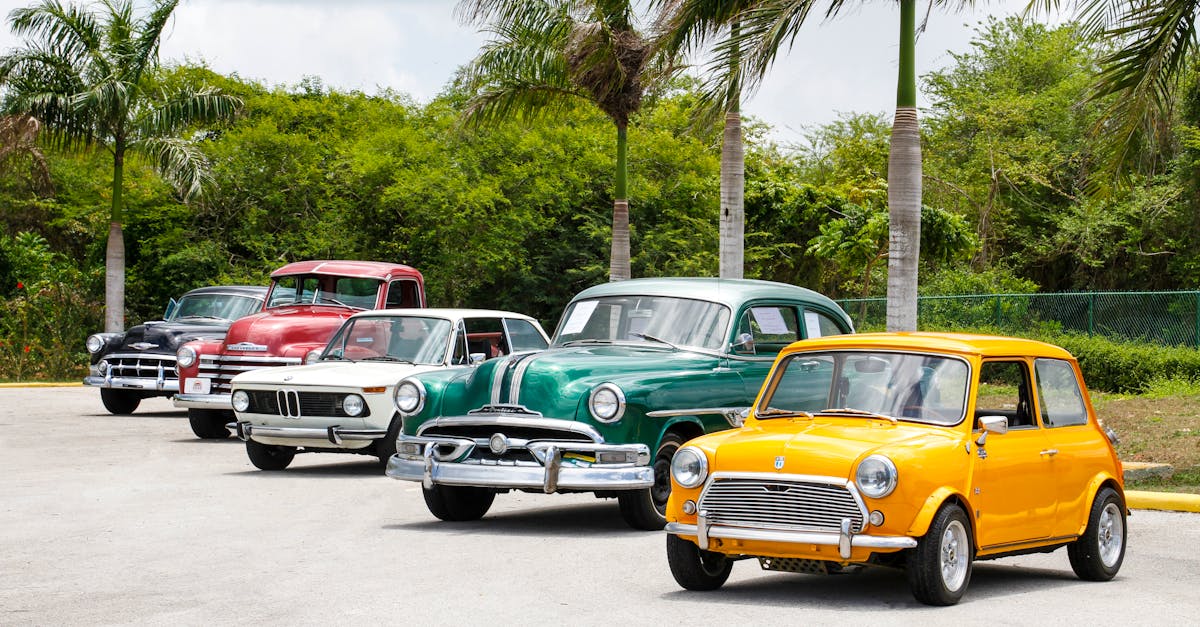
In a surprising shift in consumer sentiment, many drivers are reporting that older cars provide a more “connected” driving experience than their modern counterparts. This trend significantly affects the automotive market as consumers increasingly value the tactile and sensory engagement that older vehicles offer over the advanced technology found in newer models. With recent data showing a spike in demand for classic and vintage cars, this phenomenon warrants attention from both car enthusiasts and industry experts.
The Digital Divide
Modern vehicles, such as the 2023 Tesla Model 3 and 2022 Ford F-150, come equipped with an array of digital features, including touch screens, automatic driving capabilities, and advanced driver-assistance systems. While these technologies aim to enhance safety and convenience, many drivers report feeling distanced from the driving experience. A survey conducted by the automotive research firm J.D. Power found that 62% of respondents preferred the simpler, more mechanical interfaces of older cars, such as the 1995 Honda Civic or the 2001 Chevrolet Silverado.
Hands-On Experience
Older vehicles typically offer more manual controls and less reliance on digital interfaces. The tactile feedback from knobs, switches, and traditional steering wheels allows drivers to feel more in control of their driving experience. For example, owners of a 1988 Ford Mustang often cite the direct connection to the car’s mechanical systems, which provides a sense of engagement that many modern vehicles lack. This hands-on experience can create a more emotional bond between the driver and the vehicle, leading to a perception of being more “connected.”
Emotional Resonance
Classic cars often evoke nostalgia, reminding drivers of simpler times and creating a sense of emotional attachment. According to a study by the University of Southern California, nostalgia can enhance the emotional connection people feel toward objects, including cars. This sentiment is reflected in the rising popularity of vintage models; for instance, sales of classic cars have seen a 25% increase over the past five years, with models from the 1970s and 1980s being particularly sought after.
Quality of Craftsmanship
Another factor contributing to the perception of connection is the quality of craftsmanship in older vehicles. Many classic cars were built with fewer electronic components and more emphasis on mechanical engineering, which can lead to a greater appreciation for how a car operates. For example, a 1967 Chevrolet Camaro boasts a simpler design that allows for easier repairs and modifications, fostering a DIY culture among enthusiasts. This hands-on approach to maintenance and customization further enhances the feeling of connection.
Consumer Preferences Shifting
The automotive industry is taking note of these shifting consumer preferences. Major manufacturers are beginning to incorporate retro-inspired designs and simpler interfaces into their new vehicles. The 2023 Ford Bronco, for instance, features analog gauges alongside modern technology, catering to consumers who desire a blend of nostalgia and innovation. As younger generations express interest in vintage cars, manufacturers may need to adapt their strategies to remain competitive in a market increasingly valuing genuine driving experiences.
The Future of Driving Experience
While advancements in automotive technology are unlikely to reverse, the demand for a more connected driving experience may influence the future design of vehicles. Automakers are exploring ways to integrate technology without compromising the tactile engagement that many drivers crave. Features such as customizable dashboards and augmented reality displays may provide a bridge between the digital and analog worlds, allowing drivers to enjoy the best of both experiences.
Conclusion: A Call to Action
As the automotive landscape continues to evolve, understanding the reasons behind the emotional connections drivers feel toward older cars is vital. The resurgence in interest for vintage models highlights a collective yearning for authenticity and engagement that modern cars may not fully satisfy. For those considering a vehicle purchase, whether new or used, it’s essential to evaluate personal driving preferences and the kind of connection they desire with their vehicle. As consumer voices grow louder, the automotive industry must adapt to meet this changing demand. Don’t miss the chance to explore the vehicles that resonate with you—visit your local dealership or classic car show today to experience the connection for yourself.