

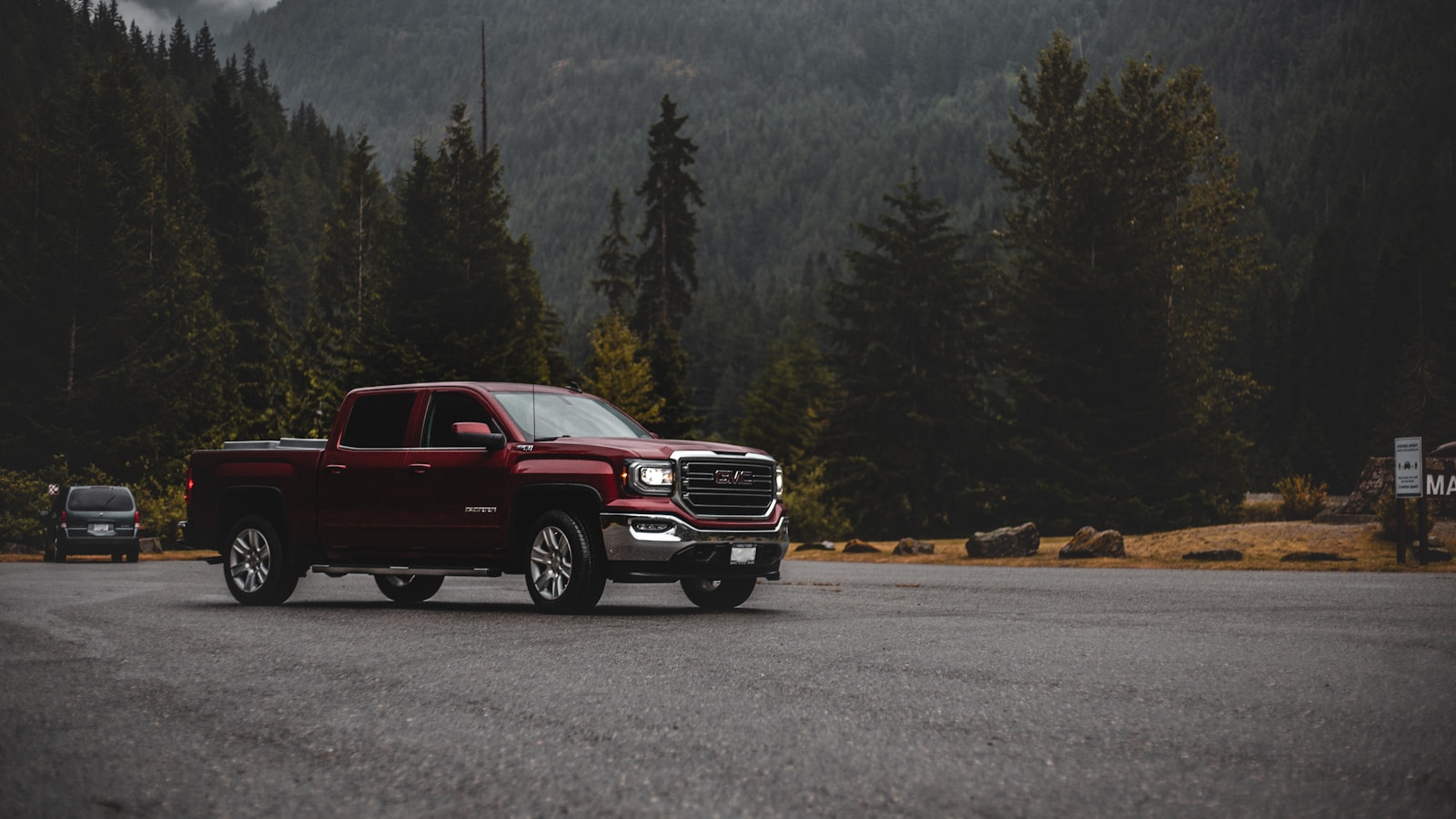
In 2023, pickup trucks have solidified their status as the best-selling vehicle category in the United States, with over 2.8 million units sold last year alone. This trend affects not only consumer choices but also shapes the automotive market and the economy as a whole. With increasing demand, pickup trucks have become synonymous with comfort, utility, and even lifestyle for many Americans.
The Rise in Popularity of Pickup Trucks
The pickup truck market has seen remarkable growth over the last decade. According to data from the Automotive News Data Center, the Ford F-Series has been the best-selling vehicle in the U.S. for 45 consecutive years, with the 2022 Ford F-150 alone selling approximately 640,000 units. This consistent performance underscores a cultural shift towards vehicles that combine practicality with comfort.
Several factors contribute to this rise in popularity. The versatility of pickup trucks makes them suitable for various consumer needs—from work-related tasks to family outings. Many models now come equipped with advanced technology and comfort features that rival traditional sedans and SUVs, making them appealing to a broader audience.
Comfort and Utility: A Winning Combination
The modern pickup truck is designed to cater to comfort while maintaining its utility. For example, the 2023 Chevrolet Silverado 1500 offers heated and ventilated seats, state-of-the-art infotainment systems, and ample legroom, making it suitable for long drives. In addition, the spacious cargo area allows for easy transportation of goods and equipment, making it a preferred choice for both contractors and families.
Moreover, the towing capacity of these vehicles has improved significantly. The 2023 Ram 1500, for instance, can tow up to 12,750 pounds, making it ideal for those who need to transport trailers, boats, or other heavy loads. This combination of comfort and utility reinforces the truck’s status as a go-to vehicle for many Americans, especially those living in suburban and rural areas.
Economic Impacts of the Pickup Truck Boom
The dominance of pickup trucks in the automotive market has significant economic implications. Dealerships are seeing higher profit margins from truck sales compared to smaller cars. The average transaction price for a new pickup truck was approximately $48,000 in 2022, compared to $34,000 for a compact car. This price difference helps sustain dealership revenues and employment in the automotive sector.
Additionally, manufacturers are investing heavily in truck production. Ford recently announced a $1 billion investment in its Kansas City plant to increase the production of the F-150. This move not only aims to meet consumer demand but also creates thousands of jobs, further solidifying the truck’s role in the American economy.
Environmental Considerations
Despite their popularity, pickup trucks face criticism for their environmental impact. The average fuel economy for trucks is significantly lower than that of cars, with many full-size trucks averaging around 20 miles per gallon. As concerns about climate change grow, there is increasing pressure on manufacturers to improve fuel efficiency and reduce emissions.
In response, automakers are introducing electric and hybrid pickup models. The Ford F-150 Lightning, which debuted in 2022, is an electric version of the beloved F-150, aiming to provide a more sustainable option for drivers without sacrificing performance. This shift not only caters to environmentally conscious consumers but also positions manufacturers to comply with future regulations aimed at reducing greenhouse gas emissions.
Community and Lifestyle Connection
Pickup trucks have also become a cultural symbol of American life, associated with outdoor adventures, community work, and even personal identity. Many truck owners see their vehicles as an extension of themselves, often customizing them with unique accessories and features that reflect their personality and lifestyle. This connection cultivates a strong community among truck enthusiasts, further driving sales and brand loyalty.
Social media platforms, particularly Instagram and TikTok, have seen a surge in truck-related content, showcasing everything from off-road adventures to DIY upgrades. This trend has helped create a sense of belonging among truck owners, reinforcing the pickup’s status as more than just a vehicle but a lifestyle choice.
Conclusion: The Pickup Truck’s Enduring Appeal
The pickup truck’s status as America’s comfort zone is a reflection of changing consumer preferences, economic factors, and cultural significance. With millions of units sold each year, the truck market shows no signs of slowing down. As manufacturers adapt to consumer demands and environmental concerns, the future of the pickup truck looks promising.
For those considering a new vehicle, it is crucial to weigh the benefits and drawbacks of pickup trucks in the context of individual needs