

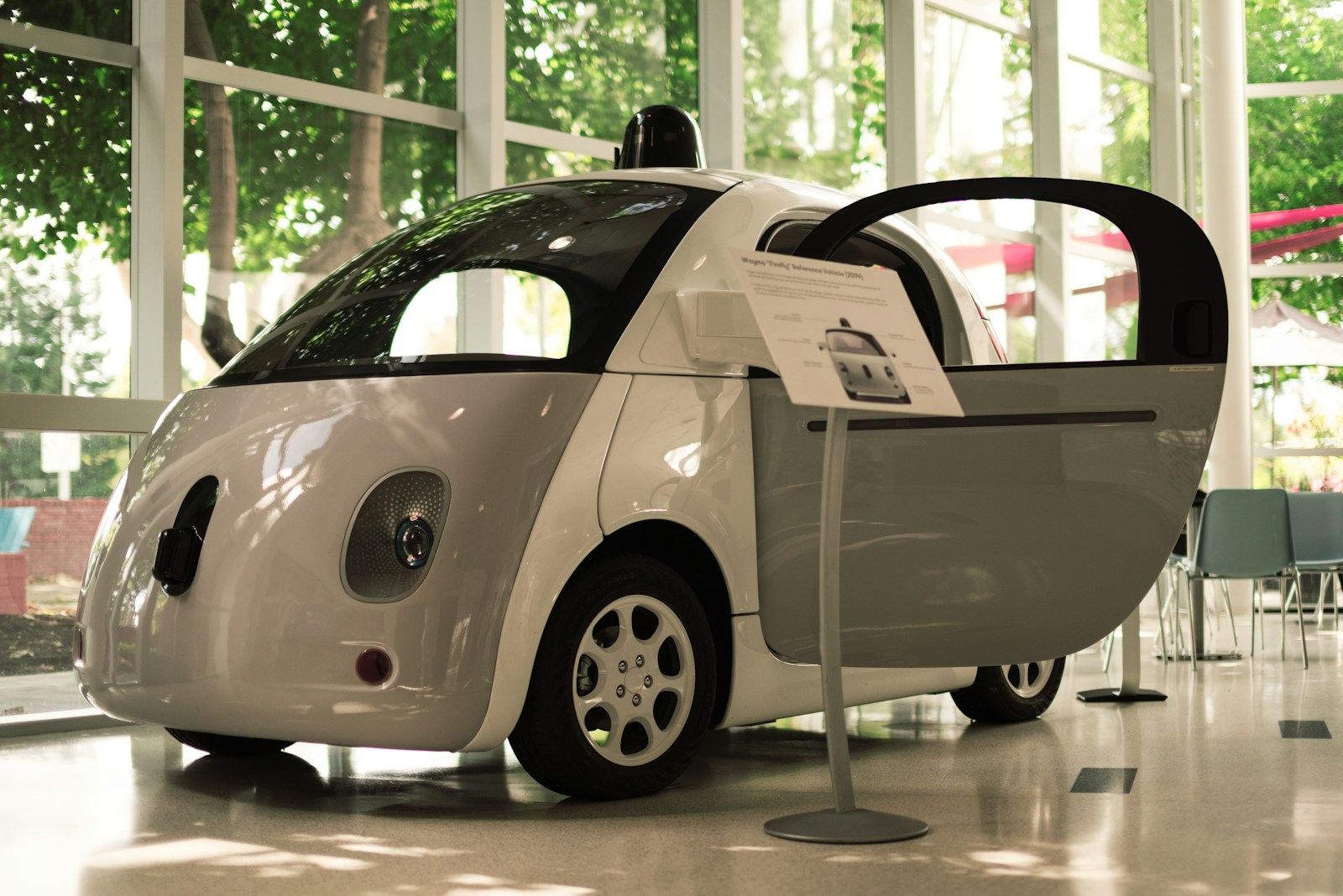
The promise of self-driving cars has captivated the automotive industry and consumers alike, but experts warn that achieving perfection in autonomous vehicle technology is an elusive goal. As companies like Tesla and Waymo push the boundaries of artificial intelligence, the reality of fully autonomous vehicles remains fraught with challenges that could prevent them from ever being flawless. With an estimated 1.35 million fatalities due to road traffic accidents globally each year, the stakes for safety and reliability in self-driving technology are exceptionally high.
The Complexity of Real-World Driving Conditions
Self-driving cars rely on complex algorithms and vast amounts of data to navigate the world, but they face numerous obstacles in real-world scenarios. According to a 2021 study from the University of California, Berkeley, nearly 90% of accidents are caused by human error. However, replicating human decision-making in unpredictable situations—like sudden road closures or erratic behavior from other drivers—remains a monumental challenge. For instance, the 2022 Tesla Model Y has faced criticism for its struggles to handle inclement weather, particularly rain and snow, which can obscure sensors and disrupt its navigation capabilities.
Technological Limitations and Sensor Failures
While companies are continuously improving sensor technology, limitations persist that could impede the performance of self-driving cars. Lidar, cameras, and radar systems are critical for an autonomous vehicle’s functionality, yet they can fail or misinterpret data under certain conditions. A 2020 report from the National Highway Traffic Safety Administration (NHTSA) indicated that nearly 50% of accidents involving autonomous vehicles were attributed to sensor-related failures. This raises concerns about whether self-driving cars can reliably operate in diverse environments, from bustling urban centers to rural backroads.
Ethical Dilemmas and Decision-Making
One of the central ethical dilemmas surrounding self-driving cars is how they will make decisions in life-threatening situations. In a hypothetical scenario where an autonomous vehicle must choose between hitting a pedestrian or swerving and potentially injuring its passengers, the decision-making process programmed into the car raises serious moral questions. These dilemmas complicate the development of autonomous vehicles and may lead to public hesitancy to embrace the technology. A survey conducted by the Pew Research Center in 2021 found that only 29% of Americans believe that self-driving cars will be safe for public use.
Regulatory Challenges and Public Trust
The regulatory landscape for self-driving cars is still in its infancy, creating additional hurdles for the industry. Currently, there are no comprehensive federal guidelines governing the testing and deployment of autonomous vehicles in the United States, leading to a patchwork of state regulations. According to a 2023 report from the American Association of State Highway and Transportation Officials, 29 states have enacted legislation or issued executive orders related to autonomous vehicles, but uniformity is lacking. This regulatory uncertainty can delay the implementation of new technologies and erode public trust, which is vital for widespread adoption.
Market Pressures and Consumer Expectations
The race to develop self-driving technology is fueled by competitive pressures within the automotive industry, often at the expense of safety. Companies like Ford and General Motors are investing billions into autonomous driving research, with the 2022 Ford F-150 Lightning boasting advanced driver-assistance features. However, the drive for technological advancements can lead to premature deployments, as seen with the 2021 recall of over 800,000 vehicles equipped with problematic advanced driver-assistance systems. These market pressures underscore the potential for lapses in quality and safety, which could further hinder the quest for perfection.
Cybersecurity Concerns
As vehicles become increasingly connected, cybersecurity threats pose another layer of complexity to the development of self-driving technology. Hackers could potentially exploit vulnerabilities in autonomous vehicle systems, leading to catastrophic failures. A report from the cybersecurity firm McAfee revealed that 23% of car owners surveyed expressed concern about the security of their connected vehicles. This anxiety can deter consumers from embracing self-driving cars, hindering the technology’s overall acceptance.
The Future of Autonomous Vehicles
Despite the challenges and limitations, the future of autonomous vehicles is not entirely bleak. Ongoing advancements in artificial intelligence and machine learning continue to enhance the capabilities of self-driving technology. However, experts believe that while significant improvements will be made, the notion of achieving a “perfect” self-driving car may remain out of reach. According to a 2023 market analysis by Statista, the global autonomous vehicle market is projected to reach $556 billion by 2026, highlighting the continued investment and interest despite the hurdles.