

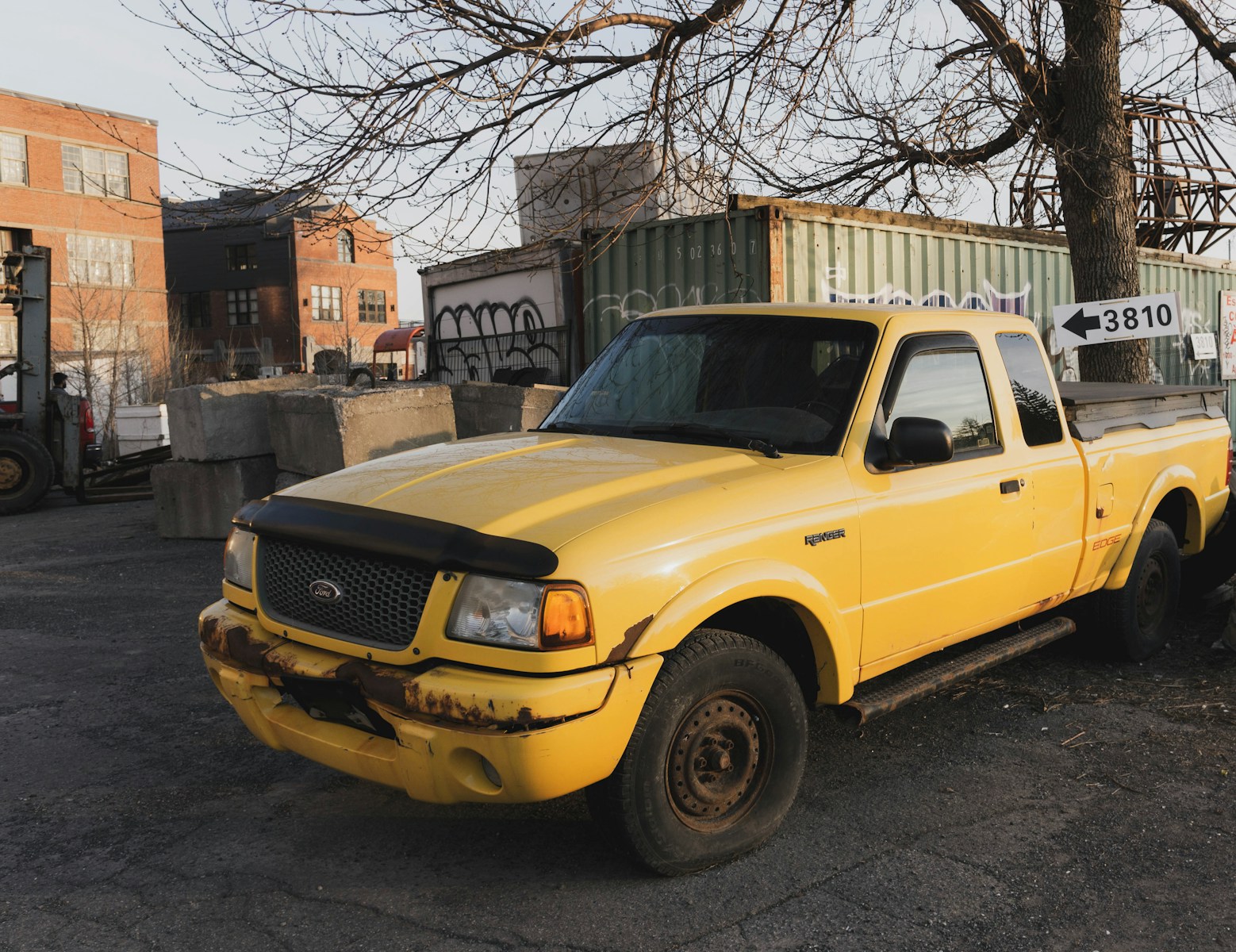
Car rust is a significant issue affecting millions of vehicles, with some models showing alarming rates of corrosion compared to others. This matter is particularly pressing for car owners in regions with harsh winter conditions, where road salt accelerates rust formation. Understanding why certain cars rust faster can help consumers make informed decisions and take preventative measures to extend the life of their vehicles.
The Science of Rust: How Corrosion Occurs
Rust, scientifically known as iron oxide, forms when iron or its alloys, such as steel, react with oxygen and moisture. This process is exacerbated by environmental factors, including humidity, salt exposure, and temperature fluctuations. According to the National Highway Traffic Safety Administration (NHTSA), corrosion is responsible for approximately 20% of all vehicle maintenance issues, underscoring the importance of addressing rust prevention.
Factors Contributing to Faster Rusting
Several factors influence the rate at which a vehicle rusts. One primary factor is the type of metal used in the car’s construction. For instance, vehicles with unprotected steel bodies, like the 2001–2003 BMW 3 Series, are more susceptible to rust than those with galvanized or aluminum bodies. Manufacturers are increasingly using corrosion-resistant materials, but not all brands prioritize this, which can lead to significant differences in longevity.
The environment in which a car is driven plays a crucial role as well. Regions that experience heavy snowfall often use road salt to manage ice, which can accelerate the rusting process. Vehicles in coastal areas are also at risk due to saltwater exposure. A study by the Automotive Industry Action Group found that cars in northern states rust 30% faster than those in southern climates, illustrating the impact of local weather conditions.
Model-Specific Rust Issues
Some car models have gained notoriety for rust problems, often resulting in recalls or consumer complaints. For example, the 2006–2009 Honda Civic faced significant rust issues, leading to a recall of over 1.1 million vehicles due to corrosion in the rear suspension. Similarly, the 2010–2014 Ford F-150 has been cited for premature rusting in certain areas, affecting its structural integrity and safety.
These examples highlight the need for consumers to research specific models before making a purchase. Organizations like Consumer Reports frequently test and evaluate vehicle durability, providing valuable insights into which cars are more prone to rust.
Preventative Measures for Car Owners
Preventing rust is crucial for maintaining a vehicle’s value and safety. Regular maintenance can significantly reduce the chances of corrosion. Washing the car every few weeks, especially during winter months, can remove salt and grime that contribute to rust. Additionally, applying a wax layer can create a protective barrier against moisture and contaminants.
Another effective strategy is to invest in undercoating, a process where a protective coating is applied to the undercarriage of the vehicle. This is particularly beneficial for vehicles exposed to harsh conditions. According to a study by the Automotive Research Association, vehicles with professional undercoating treatments exhibited 50% less rust over five years compared to untreated vehicles.
Annual Inspections and Repairs
Routine inspections are essential for identifying early signs of rust. Car owners should check their vehicles for paint chips or scratches that expose bare metal, as these are vulnerable to corrosion. Timely repairs can prevent small issues from becoming major problems. The average cost of repairing rust damage can range from $100 to $1,000, depending on the severity, making early action both cost-effective and necessary.
Conclusion: Take Action Now
Understanding why some cars rust faster than others is vital for all car owners, especially those in rust-prone areas. With certain models already showing alarming corrosion rates, it is crucial to prioritize preventative measures to protect your investment. Regular maintenance, undercoating, and timely repairs can significantly extend the lifespan of your vehicle. Don’t wait until rust becomes a problem—take proactive steps today to ensure your vehicle remains safe and reliable for years to come.