

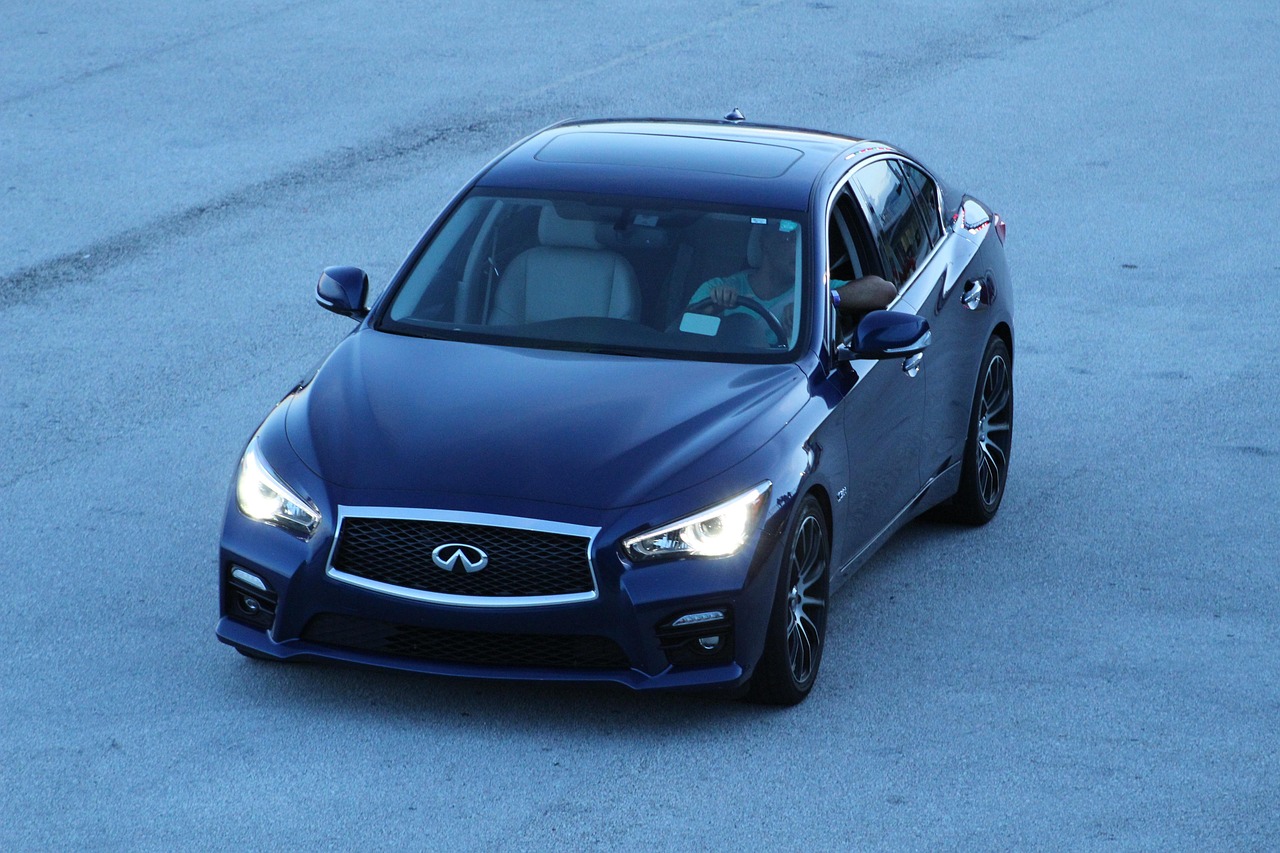
The Infiniti QX30, produced between 2017 and 2019, struggled to find its market niche, resulting in disappointing sales figures and a lack of consumer interest. This compact luxury crossover, developed as part of a partnership with Mercedes-Benz, was intended to broaden Infiniti’s appeal but ultimately failed to resonate with buyers. The model’s underwhelming performance raises questions about brand strategy and consumer preferences in the competitive luxury vehicle market.
Background on the Infiniti QX30
Introduced in 2017, the Infiniti QX30 aimed to tap into the growing demand for compact SUVs and crossovers. It was built on the same platform as the Mercedes-Benz GLA-Class, sharing many components, including engines and technology. Infiniti positioned the QX30 as a stylish, urban-friendly alternative for buyers seeking luxury in a smaller package.
Sales Figures and Market Reception
Despite its high expectations, the QX30’s sales figures were disappointing. In its best year, 2017, Infiniti sold just over 10,000 units in the United States. By 2019, annual sales had plummeted to approximately 3,000 units, a stark contrast to competitors like the BMW X1 and Audi Q3, which sold over 25,000 and 17,000 units, respectively, in the same year. This lack of traction in the market highlights the challenges Infiniti faced in establishing the QX30 as a viable option for luxury SUV buyers.
Design and Performance Issues
One of the primary reasons the QX30 failed to catch on was its design, which received mixed reviews. While some praised its sleek, coupe-like silhouette, others criticized it for lacking the ruggedness associated with traditional SUVs. Additionally, the QX30’s performance was often described as uninspiring, with a standard 2.0-liter turbocharged engine that delivered only 208 horsepower. This left many drivers wanting more power and agility, especially when compared to rivals that offered more robust engine options.
Pricing and Value Perception
The QX30 was priced starting around $30,000, which positioned it competitively within the luxury crossover market. However, many consumers felt that the vehicle did not offer the same value as its competitors. The interior quality and technology features, while decent, did not stand out in a crowded segment filled with well-established luxury brands. As a result, many potential buyers opted for alternatives that provided a stronger sense of luxury and performance for a similar price.
Brand Identity and Strategy Misalignment
Another factor contributing to the QX30’s lack of success was Infiniti’s broader brand strategy at the time. The QX30 was launched during a period when Infiniti was still solidifying its identity within the luxury market. The brand struggled with inconsistency in its marketing messaging, which made it difficult for consumers to understand the QX30’s purpose within the lineup. This confusion may have deterred buyers who were looking for clear, compelling reasons to choose Infiniti over more recognized luxury brands.
Competition in the Compact Luxury SUV Segment
The compact luxury SUV segment has become increasingly competitive, with numerous manufacturers vying for consumer attention. Established brands like BMW, Audi, and Lexus have dominated this space, offering a combination of performance, luxury, and brand loyalty that the QX30 could not match. New entrants such as the Volvo XC40 and the Lexus UX have continued to raise the bar, making it even harder for the QX30 to differentiate itself and attract buyers.
End of Production and Future Implications
In 2020, Infiniti announced it would cease production of the QX30, officially marking the end of the model’s brief run. This decision was part of a broader strategy to streamline the brand’s offerings and focus on larger, more profitable models. The termination of the QX30 serves as a cautionary tale for automakers about the importance of aligning product offerings with consumer expectations and market trends.
Lessons for Luxury Automakers
The QX30’s failure offers valuable insights for luxury automakers looking to enter the compact SUV segment. Understanding consumer preferences, ensuring a strong brand identity, and delivering on performance and value are critical components of success. As the automotive landscape continues to evolve, manufacturers must remain vigilant and adaptable to changing market dynamics.