

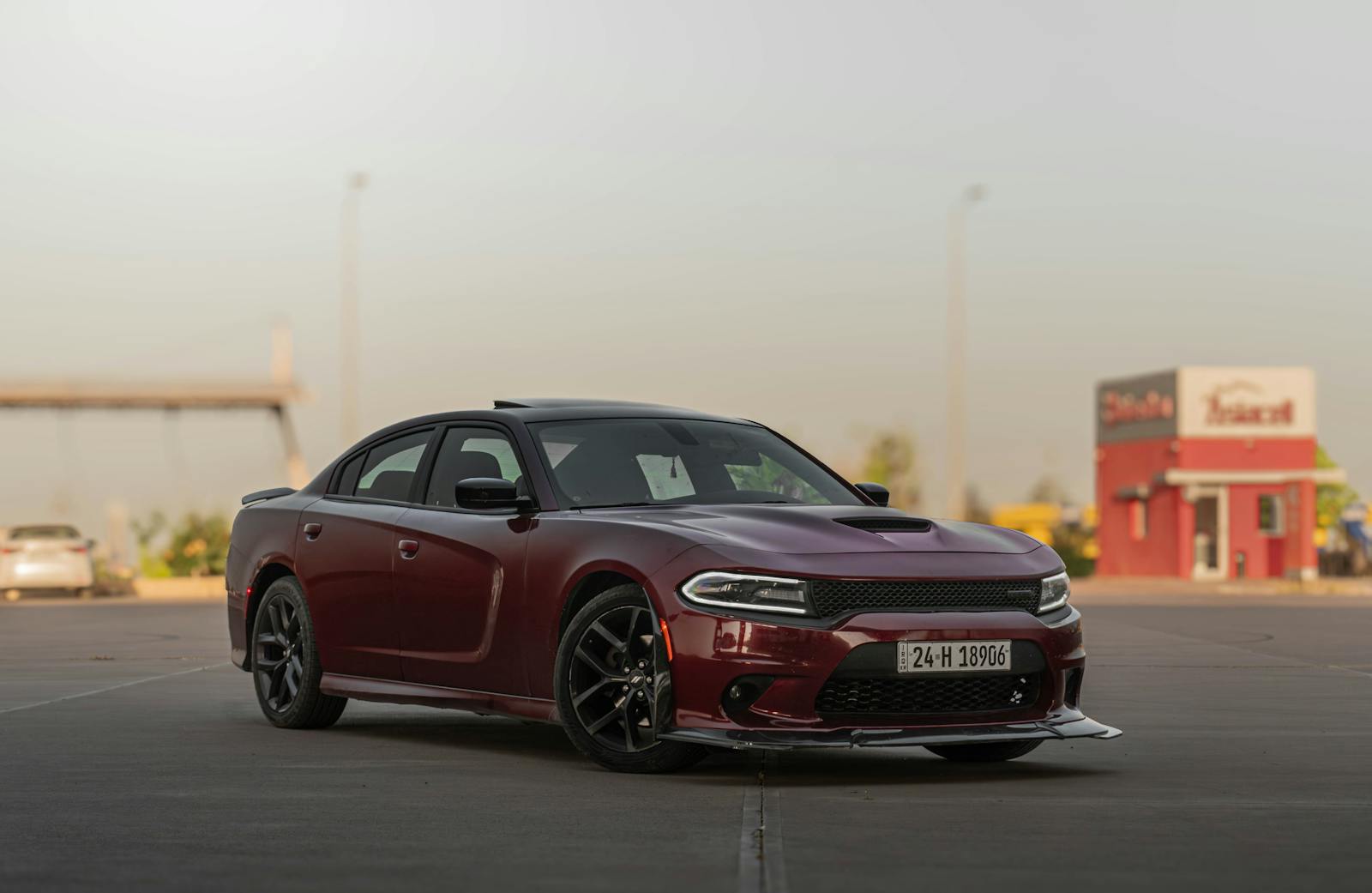
The 2023 Dodge Charger, a flagship model from the Mopar family, has ignited fierce debates within the automotive community, with enthusiasts split over its future direction and performance capabilities. As the last of its kind, the Charger represents a significant transition for the brand, marking the end of an era for traditional muscle cars while sparking discussions about electrification within the industry. This shift is critical as it affects not only Dodge’s fan base but also the broader landscape of car culture in America.
The Legacy of the Charger
Since its debut in 1966, the Dodge Charger has become synonymous with American muscle, known for its powerful engines, aggressive styling, and a rich legacy in motorsports. The 2023 model year stands out as the last gas-powered iteration before Dodge transitions to an all-electric lineup, making it a poignant moment for collectors and enthusiasts. In 2022 alone, Dodge sold approximately 52,000 Chargers, demonstrating the model’s enduring popularity and its pivotal role in the brand’s identity.
Shifting to Electrification
The decision to phase out internal combustion engines in favor of electric vehicles (EVs) aligns with broader trends in the automotive industry and environmental regulations aimed at reducing carbon emissions. Dodge has revealed plans to introduce an electric Charger by 2024, which they claim will deliver performance metrics that rival its gas-powered predecessor. However, this announcement has not been well received by all, leading to a rift in the car community.
Divided Opinions Among Enthusiasts
While many car enthusiasts applaud the move towards electrification as a necessary evolution, purists argue that the soul of the Charger will be lost in translation. Critics contend that the roar of a V8 engine, a hallmark of the Charger’s identity, cannot be replicated by electric motors. Social media platforms are rife with heated discussions, with some users citing the Charger’s future as a betrayal of the brand’s rich heritage. A recent poll revealed that nearly 60% of Charger enthusiasts prefer gas-powered models, highlighting the divide.
The Broader Impact on Car Culture
This transition is emblematic of a larger cultural shift within the automotive realm, where car enthusiasts are grappling with the implications of electrification. The Charger’s fate is reflective of how traditional car culture is being challenged by new technologies and changing consumer preferences. Events like car shows and meetups that once celebrated muscle cars are increasingly featuring electric models, creating tension between old-school fans and a new generation of car lovers.
Sales Data and Market Trends
Despite the controversy, sales data indicates a growing acceptance of electric vehicles among consumers. In 2023, EV sales in the U.S. surpassed 800,000 units, representing a 65% increase from the previous year. As automakers like Dodge adapt to these trends, the question remains whether the Charger can maintain its status as an iconic vehicle or if it will become just another footnote in automotive history.
Community Reactions
Feedback from the automotive community has been mixed, with many expressing concern over the loss of the traditional Charger. Forums dedicated to muscle cars are buzzing with speculation about resale values and the desirability of last-generation models. Meanwhile, proponents of electric vehicles argue that advancements in EV technology could lead to even more thrilling driving experiences, albeit in a different form.
Looking Ahead
As Dodge prepares to unveil its first electric Charger, the anticipation is palpable, but so is the skepticism. The new model promises cutting-edge technology and impressive performance figures, but whether it can resonate with long-time fans remains uncertain. The automotive industry is at a crossroads, and the outcome of this transformation could redefine car culture for generations to come.
Conclusion: The Urgency of Choice
The split created by the fate of the 2023 Dodge Charger signals a pivotal moment in automotive history. As consumers, enthusiasts, and collectors, the choices made in the coming years will shape the future of car culture. Whether you’re a die-hard fan of gas-powered muscle or an open-minded supporter of electrification, now is the time to voice your opinion and get involved in the conversation that will define the next chapter of automotive history. Don’t wait—make your voice heard today.