

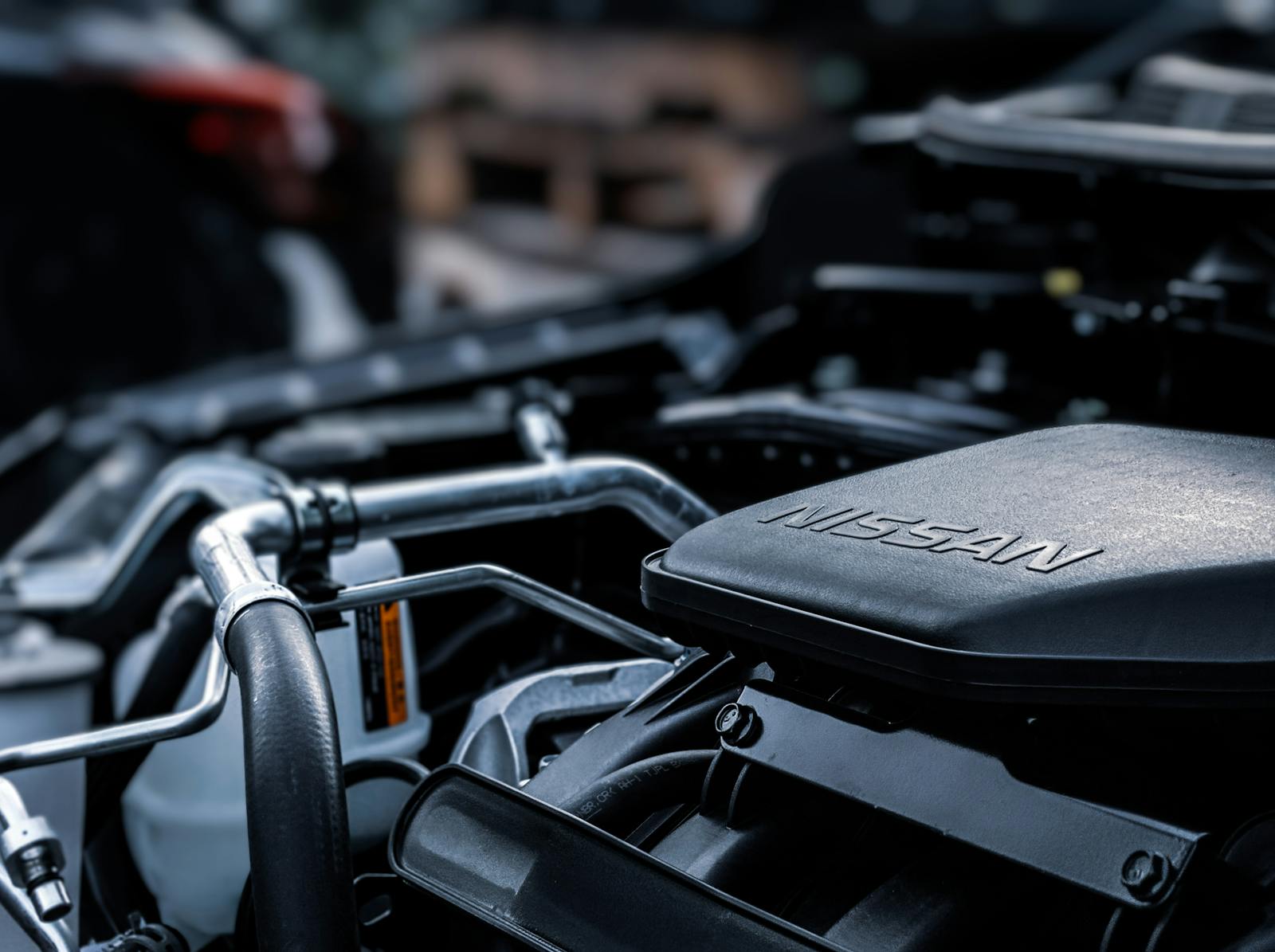
The 2023 Nissan Rogue has failed to achieve the sales success many industry experts predicted, raising questions about consumer preferences and marketing strategies in the crowded compact SUV market. Despite its solid performance, advanced safety features, and competitive pricing starting at $27,000, the Rogue has struggled to capture the attention of buyers compared to rivals like the Honda CR-V and Toyota RAV4. This situation matters not only for Nissan’s bottom line but also for consumers seeking reliable and efficient vehicles.
Performance and Features
The 2023 Nissan Rogue stands out with its impressive 1.5-liter turbocharged three-cylinder engine, delivering 201 horsepower and 225 lb-ft of torque. This powertrain allows the Rogue to achieve an estimated fuel economy of 30 mpg in the city and 37 mpg on the highway, making it one of the more fuel-efficient options in its class. Furthermore, the Rogue offers a spacious interior with ample cargo space, making it a practical choice for families or anyone needing extra room for gear.
In addition to its strong performance metrics, the Rogue is equipped with Nissan’s ProPILOT Assist technology, which enhances safety through adaptive cruise control and lane-keeping assistance. The model also boasts high safety ratings, receiving a five-star overall rating from the National Highway Traffic Safety Administration (NHTSA). With features like these, buyers are presented with a compelling case for choosing the Rogue over other compact SUVs.
Market Competition
Despite these advantages, the Nissan Rogue has faced stiff competition in the compact SUV segment. According to data from Kelley Blue Book, the Honda CR-V sold over 300,000 units in 2022, while the Toyota RAV4 surpassed 400,000 units. In contrast, the Rogue managed to sell only 166,000 units during the same period, indicating a significant gap in market penetration.
Part of the Rogue’s struggle can be attributed to brand perception. While Nissan has made strides in improving vehicle quality and technology, it still lags behind Honda and Toyota in terms of brand loyalty and consumer trust. Buyers often gravitate towards brands that they perceive as offering greater reliability and resale value, factors that are crucial in the compact SUV market.
Pricing and Value Proposition
The Rogue’s starting price of $27,000 positions it competitively against rivals. However, consumers have increasingly favored models that offer more features at similar price points. The CR-V and RAV4 provide robust standard features like advanced driver assistance systems and connectivity options, making them more appealing to value-conscious shoppers.
A significant part of the appeal for potential buyers is the perceived value over time. With the average new car price reaching approximately $48,000 in 2023, consumers are looking for vehicles that not only meet their immediate needs but also hold their value well over time. The historical resale values of the CR-V and RAV4 continue to overshadow the Rogue, despite its strong initial offering.
Marketing Shortcomings
Nissan’s marketing strategy for the Rogue may also contribute to its underwhelming sales figures. While the company has invested in advertising, the messaging has often been inconsistent and lacks the punch needed to capture consumer interest. Competing brands have leveraged targeted campaigns that emphasize their vehicles’ strengths, from safety ratings to advanced technology and fuel efficiency.
Additionally, the Rogue’s availability in the market has been inconsistent due to supply chain issues, which have plagued the automotive industry since the onset of the pandemic. In many regions, potential buyers found it difficult to locate the model, further hindering sales. This lack of availability directly affects consumer interest and may lead them to consider alternatives.
The Road Ahead
As Nissan looks to turn things around, future models and iterations of the Rogue will need to address these marketing and branding challenges head-on. Analysts suggest that enhancing consumer education about the Rogue’s advantages and emphasizing its unique features could help shift perceptions. Additionally, Nissan should consider adjusting its pricing strategy to offer more competitive incentives or packages that could draw in hesitant buyers.
With the automotive market constantly evolving, Nissan must also stay ahead of emerging trends, such as electric vehicle development and eco-friendly technologies. As consumers increasingly prioritize sustainability, the introduction of hybrid or fully electric versions of the Rogue could attract a broader range of buyers, presenting an opportunity for growth.
Conclusion
The 2023 Nissan Rogue possesses numerous features and advantages that should have positioned it as a best-seller in the compact SUV market. However, due to stiff competition, brand perception issues, and marketing missteps, it has failed to gain the traction expected. For those in