

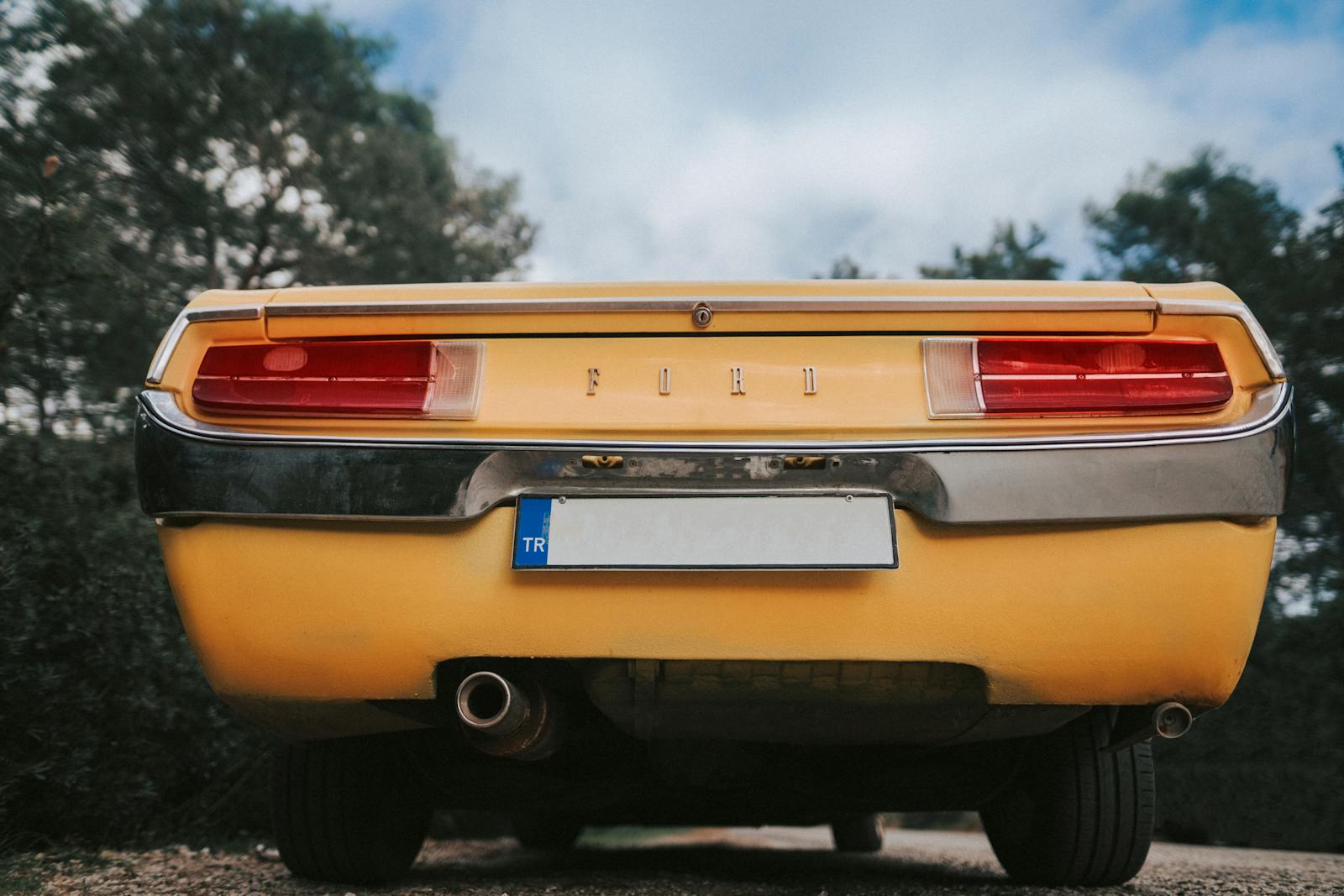
The Ford Mustang, particularly models from the late 1960s, continues to be revered as the gold standard in vintage American muscle cars, with prices soaring at auctions and a dedicated fan base that keeps its legacy alive. Recent data shows that the 1969 Ford Mustang Mach 1, for instance, can fetch upwards of $60,000 at auctions, indicating a strong demand for classic cars that encapsulate the spirit of American automotive history. This enduring appeal matters not only for collectors but also for enthusiasts and the automotive industry, as it reflects changing consumer interests and the growing vintage car market.
The Enduring Appeal of the Mustang
The Ford Mustang is more than just a car; it’s a cultural icon that has stood the test of time. Introduced in 1964, the Mustang set the stage for the pony car segment, combining performance, style, and affordability. Its aggressive design and powerful engines resonated with a generation, making it a symbol of freedom and rebellion. Today, the vintage Mustangs, especially the 1965-1973 models, continue to attract buyers who are willing to invest significantly to own a piece of automotive history.
Market Trends and Values
The classic car market has shown robust growth over the past decade, with vintage Mustangs consistently ranking among the top collectible vehicles. According to the Hagerty Market Rating, the average value of a 1970 Mustang has increased by nearly 15% in the last five years. Factors contributing to this trend include the car’s nostalgic value, its performance capabilities, and a loyal fan base that spans generations. As more millennials and Gen Z individuals enter the collector car market, interest in classic muscle cars like the Mustang is expected to continue rising.
Features That Set It Apart
Several features make the Mustang a standout choice among classic cars. The vehicle is known for its powerful engine options, ranging from the base inline-six to the iconic V8 engines that deliver exhilarating performance. Coupled with a relatively lightweight body, these features provide an engaging driving experience that many modern cars struggle to replicate. Additionally, the Mustang’s design, characterized by its long hood and short rear deck, remains timeless, appealing to both purists and new fans alike.
Community and Culture
The Mustang has cultivated a vibrant community of enthusiasts who actively participate in car shows, clubs, and online forums. Events such as the annual Mustang Week in Myrtle Beach, South Carolina, draw thousands of fans from across the country, showcasing their vehicles and sharing their passion. This sense of community not only helps preserve the Mustang’s legacy but also fosters a culture of camaraderie among owners, who often invest time and resources into restoring and customizing their cars.
Restoration and Customization
The restoration and customization market for vintage Mustangs has grown significantly, with many owners choosing to invest in upgrades to enhance performance and aesthetics. According to a recent survey by Classic Car Restoration Magazine, approximately 70% of Mustang owners have undertaken some level of restoration on their vehicles. Popular upgrades include modern engine swaps, suspension enhancements, and custom paint jobs, allowing owners to personalize their Mustangs while retaining their classic charm.
Challenges in the Vintage Car Market
Despite the Mustang’s popularity, challenges remain in the vintage car market. Rising costs for parts and the increasing complexity of modern restoration techniques can deter potential buyers and restorers. Additionally, the fluctuating economy may impact disposable income levels, potentially affecting sales in the collector car segment. However, the Mustang’s strong brand loyalty and timeless design continue to counter these challenges, making it a reliable investment for collectors.
The Future of the Mustang
Ford has taken steps to ensure the Mustang remains relevant in the modern era by continually updating the lineup with cutting-edge technology while paying homage to its heritage. The latest Mustang models incorporate advanced safety features and fuel-efficient options, appealing to a broader audience while still delivering the performance that enthusiasts expect. As electric vehicles become more popular, Ford has announced plans to introduce an all-electric Mustang by 2024, which could attract a new generation of fans and collectors.
Conclusion: Invest in the Legacy
The Ford Mustang’s status as the gold standard in vintage muscle cars is undeniable, driven by its rich history, strong market performance, and devoted community. As vintage car values continue to rise, investing in a classic Mustang is not just about owning a vehicle; it’s about preserving a piece of American culture. Whether you’re a long-time collector or new to the world of classic cars, now is the time to consider adding a Mustang to your collection. The legacy of the Mustang is not just in