

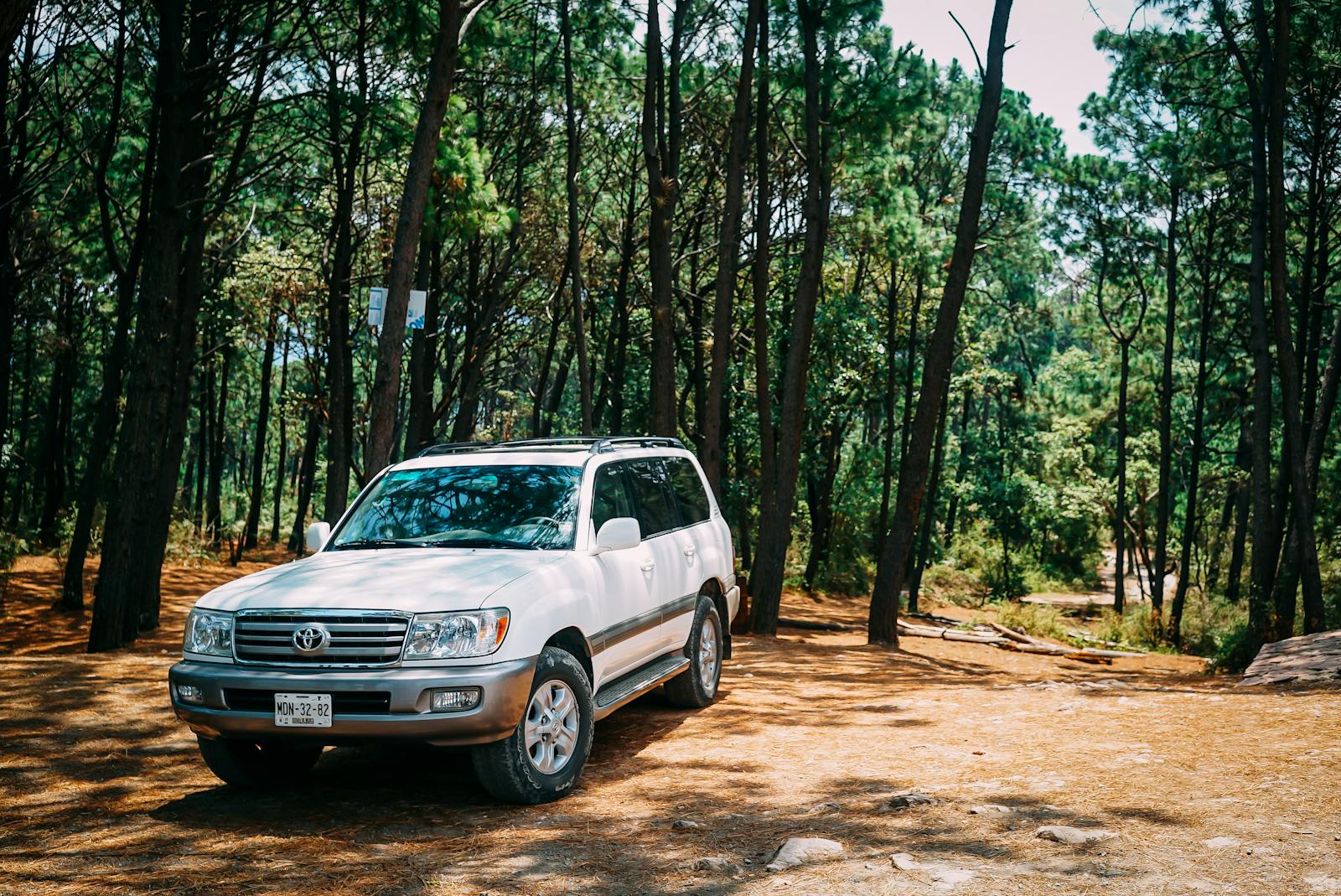
The Toyota Land Cruiser, particularly the 200 Series (2008-2021), has gained a reputation for its remarkable durability and longevity, making it a favorite among off-road enthusiasts and families alike. Its near-mythical status is attributed to its robust engineering, exceptional reliability, and a loyal fan base willing to invest in maintenance and repairs. With a starting price of approximately $85,000 for the last model year, buyers are not just purchasing a vehicle; they are investing in a legacy.
Unmatched Durability
One of the most significant factors contributing to the Land Cruiser’s reputation for immortality is its construction. Built on a solid frame and equipped with a powerful 5.7-liter V8 engine, the 200 Series is designed to withstand extreme conditions. Reports show that many Land Cruisers easily surpass 300,000 miles with proper maintenance, often becoming family heirlooms passed down through generations.
In fact, a recent survey from iSeeCars revealed that the Toyota Land Cruiser ranks among the top 1% of vehicles that reach 200,000 miles. This statistic underscores its reliability compared to other vehicles in the market, where the average lifespan is significantly lower. The Land Cruiser’s ability to endure harsh terrains and demanding driving conditions further solidifies its status as a near-indestructible vehicle.
Exceptional Maintenance and Repair Costs
While the initial purchase price of a Land Cruiser may deter some buyers, the long-term maintenance costs are often lower than expected. According to RepairPal, the average annual repair cost for a Toyota Land Cruiser is about $800, which is relatively low compared to other luxury SUVs. This affordability in maintenance is a significant factor for owners who plan to keep their vehicles for years.
Moreover, parts for the Land Cruiser are widely available, and many independent mechanics are familiar with its design, making repairs accessible. This practicality is appealing, especially for owners who take their vehicles off the beaten path, where wear and tear can be substantial. Many enthusiasts also engage in DIY repairs, further reducing costs and extending the vehicle’s life.
Technological Resilience
In addition to its physical durability, the Land Cruiser is equipped with technology designed to enhance its longevity. Features such as advanced traction control and a sophisticated air suspension system improve the vehicle’s performance in various conditions, from rocky trails to snowy roads. The 2016 Land Cruiser, for instance, includes a multi-terrain select system that allows drivers to optimize their driving experience, ensuring they can tackle any environment without compromising the vehicle’s integrity.
The infotainment system, while not the most advanced compared to newer models, is user-friendly and continues to receive updates, which helps maintain its relevance. This blend of durability and technology makes the Land Cruiser a practical choice for both adventure-seekers and families looking for a reliable vehicle.
Resale Value and Market Demand
The Land Cruiser’s reputation for longevity also translates into impressive resale values. According to Kelley Blue Book, the 2021 model retains about 60% of its value after three years, a remarkable feat in the automotive market. This high resale value is an essential consideration for buyers, as it indicates the vehicle’s desirability and reliability in the long term.
Additionally, the Land Cruiser has a dedicated community of enthusiasts who help maintain demand for used models. Owners often share their experiences and tips for keeping these vehicles running smoothly, creating a robust support network that enhances the ownership experience. This community-driven culture contributes to the Land Cruiser’s status as an investment rather than just a routine purchase.
Environmental Considerations
As environmental awareness grows, potential buyers are becoming increasingly concerned about the ecological impact of their vehicles. The Toyota Land Cruiser, while not the most fuel-efficient option—averaging around 15 miles per gallon—offers a unique advantage. Its longevity means that fewer vehicles need to be manufactured, contributing less to overall waste and environmental degradation compared to frequently replaced models.
Moreover, Toyota has made strides in sustainability across its production processes. The company aims to achieve carbon neutrality by 2050, indicating that even traditional models like the Land Cruiser are part of a broader commitment to environmental responsibility.
Conclusion
The Toyota Land Cruiser exemplifies what it means to be a practically immortal vehicle. Its exceptional durability, low maintenance costs, and high resale value ensure that it remains a top choice for buyers seeking reliability and longevity. With a dedicated community of enthusiasts and a commitment to sustainability, the Land Cruiser’s legacy is far from over.
For those considering a vehicle that stands the test of time, the Land