

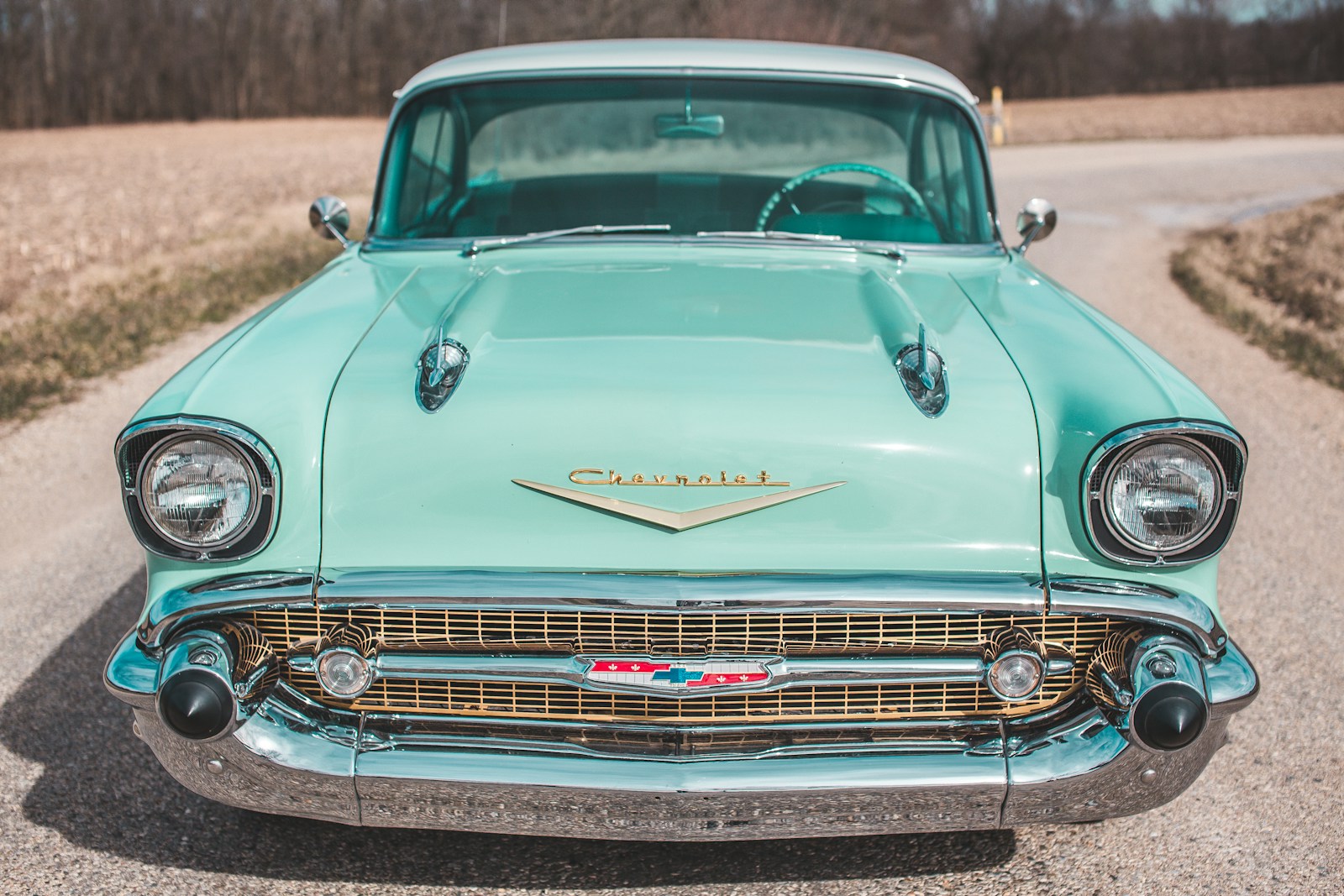
Recent studies and surveys reveal that vintage cars evoke a sense of emotional connection among enthusiasts, suggesting that these vehicles often feel more “alive” than their modern counterparts. This phenomenon affects car collectors, automotive enthusiasts, and the broader vintage car market, highlighting a cultural appreciation for the craftsmanship and nostalgia associated with older vehicles. Understanding this sentiment is crucial as it could influence market trends and the future of automobile manufacturing.
The Emotional Connection to Vintage Cars
One of the primary reasons vintage cars are perceived as more “alive” lies in the emotional connections they foster. According to a 2023 survey by Classic Car magazine, over 75% of vintage car owners report feeling a personal attachment to their vehicles, citing memories tied to family, friends, and significant life events. For many, these cars represent more than just a mode of transportation; they symbolize a bygone era and personal history.
This emotional engagement is often absent in newer models. Modern cars are designed with advanced technology and streamlined processes that prioritize efficiency and safety over character and individuality. As a result, many enthusiasts feel that contemporary vehicles lack the soul that defines classic models like the Ford Mustang (1964–1973) or the Chevrolet Corvette (1953–1967).
The Craftsmanship Behind Classic Vehicles
The craftsmanship of vintage cars also plays a significant role in their perceived liveliness. Older models were often built with a level of attention to detail that is less common in mass-produced vehicles today. For instance, the 1966 Volkswagen Beetle features a simple yet iconic design that has captivated generations. The tactile nature of mechanical components and the audible sounds of the engine create an immersive driving experience that many modern cars, with their digital dashboards and electric drivetrains, simply cannot replicate.
Moreover, vintage cars often utilize materials like metal and leather, which contribute to a tactile experience that many drivers find satisfying. In contrast, newer vehicles increasingly rely on plastic and synthetic materials, which may feel less engaging to touch and interact with.
The Role of Community and Culture
Vintage car ownership often comes with a sense of community and shared passion. Events such as car shows, rallies, and vintage races bring together enthusiasts who celebrate their vehicles and the history behind them. According to the Specialty Equipment Market Association (SEMA), participation in car clubs has increased by 22% over the last five years, indicating a growing interest in classic automobiles. This communal aspect fosters a supportive environment that enhances the overall experience of owning a vintage car.
Car enthusiasts often engage in restoration projects, which not only revitalize these vehicles but also deepen their connection to them. The act of restoring a classic car, such as a 1970 Dodge Charger, can be a labor of love that brings a sense of fulfillment and pride to the owner. This hands-on involvement contrasts sharply with the passive experience of driving modern cars, where much of the joy is automated or computer-controlled.
The Impact of Technology on Driving Experience
Modern vehicles are equipped with advanced technologies that enhance safety and comfort, but some enthusiasts argue that this has diminished the driving experience. Features like adaptive cruise control, lane-keeping assist, and automatic braking, while beneficial, can create a barrier between the driver and the vehicle. In contrast, vintage cars often require a more engaged driving approach, demanding skill and attention from the driver, which can create a more “alive” feeling.
For example, driving a 1970 Chevrolet Camaro requires a level of interaction that many modern cars do not. The direct connection between the driver and the car, coupled with the absence of electronic aids, allows for a more visceral experience on the road.
Market Trends and Future of Vintage Cars
The growing appreciation for vintage cars is reflected in market trends. According to Hagerty, a leading classic car insurance provider, the value of classic vehicles has increased by an average of 25% over the past year, indicating rising demand. This trend underscores the importance of preserving classic models while also catering to the nostalgia of potential buyers. As manufacturers explore ways to incorporate vintage aesthetics into modern designs, understanding what makes these cars feel “alive” will be crucial.
The future of the automotive industry may very well hinge on finding a balance between innovation and the artisanal qualities that make vintage cars special. As electric vehicles gain traction, some manufacturers are looking to recreating classic designs, blending modern technology with timeless craftsmanship.
Conclusion: Engage with the Vintage Community
The emotional connections, craftsmanship, community involvement, and unique driving experiences associated with vintage cars contribute to their perception of being more “alive” than contemporary models. As the market for